- Capabilities

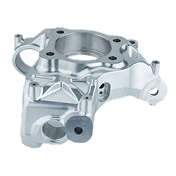
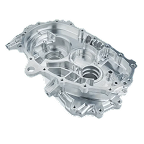
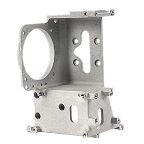
CNC Machining Services
Global vetted network delivers high-quality CNC parts to your specs, every time.
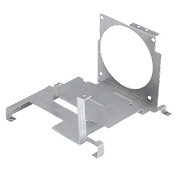
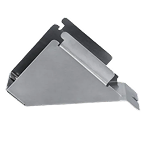
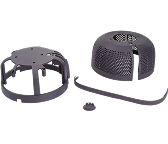
Sheet Metal Services
Precise custom sheet metal components, advanced techniques, global network.
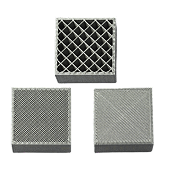
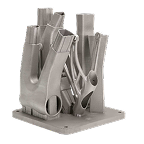
3D Printing
Cutting-edge rapid prototyping & production, accurate custom parts from digital designs.
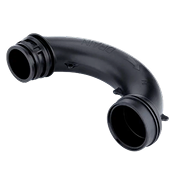
Injection Molding Services
Global network, precise & efficient custom injection molded components, exceptional quality.
CNC Machining Service

CNC Milling
Multi-axis precision milling for complex geometries
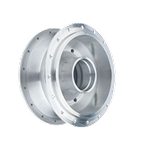
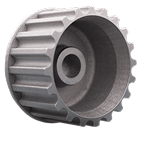
CNC Turning
High-accuracy turning for cylindrical components
Sheet Metal Service
Sheet Metal Bending
Custom brake-formed profiles, consistent angles
Sheet Metal Cutting
Laser & waterjet cutting for precise contours
3D Printing
Fused Deposition Modeling
Rapid thermoplastic prototypes, fast turnaround

Selective Laser Sintering
Complex nylon parts, no supports required
Stereolithography
Ultra-smooth, high-detail resin models
Multi Jet Fusion
Production-grade parts, uniform properties
Selective Laser Melting
Full-density metal parts, structural integrity
Injection Molding
Plastic Injection Molding
High-volume plastic parts, repeatable precision
Overmolding
Rigid substrate with soft-touch outer layer
Insert Molding
Metal inserts encapsulated for reinforcement
- Industries
Aerospace & Defense
Qualified US network delivering mission-critical parts from prototype to full-rate production.
Robotics
Custom parts from weekly prototypes through to reliable volume production.
- Solutions
Production
Consistent suppliers, costs that drop every lot, programs that hold.
Quoting
Upload files. Get quotes. Connect with vetted manufacturers.
Tracking
Track orders, monitor suppliers, and control revisions – all in one place.
Collaboration
Collaborate on quotes and orders with suppliers and your team.
Service Model
End-to-end service removing supply chain friction from onboarding to delivery.
- Customers