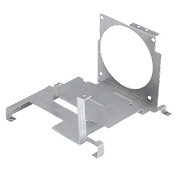
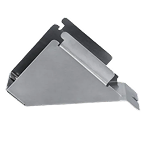
We work with verified metal fabricators to deliver precise sheet metal bending services. From prototype to production, get custom metal sheet bending that meets your exact specifications with Jiga.
Our mature and regulated supplier networks encompass the entire range of custom welding services tailored to your project needs, from the ordinary to the exotic:
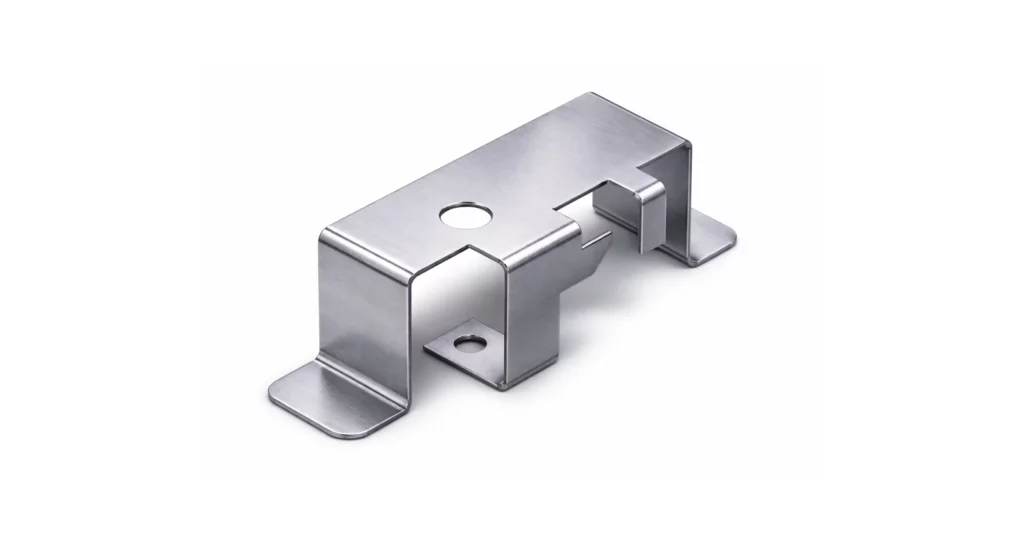
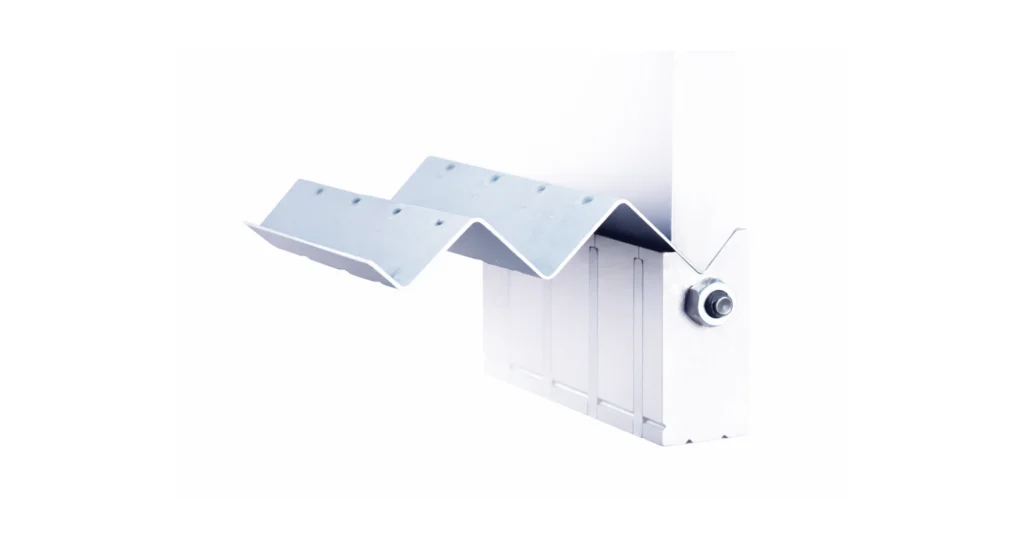
Press Brake Bending
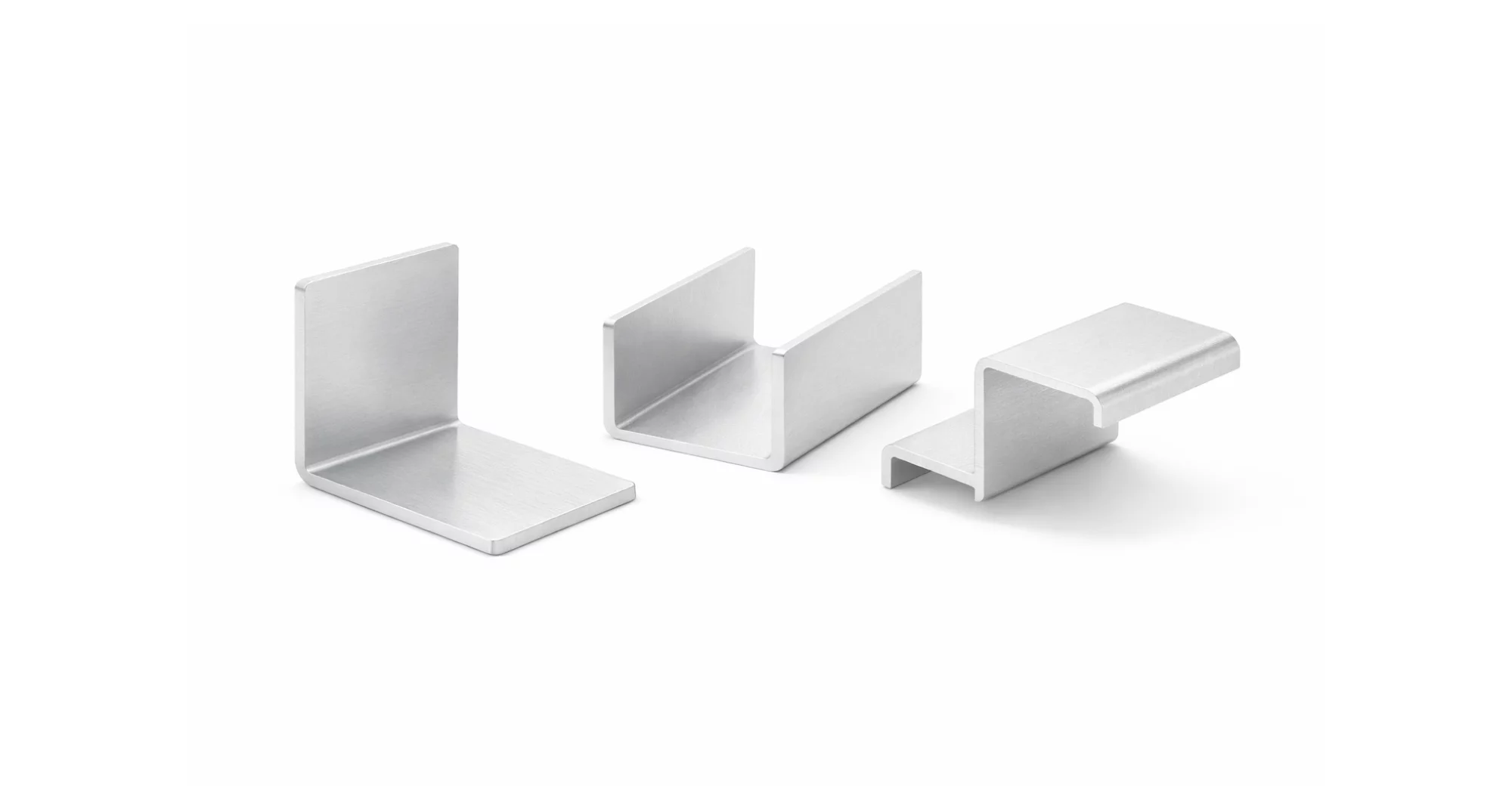
The most common method for precision metal sheet bending using punch-and-die tooling. Ideal for crisp, repeatable bends in brackets, enclosures, stiffeners, and flanges.
CNC Bending
Programmed bending for consistent angles across batches. Best for multi-bend parts, tight tolerances, and repeatable production runs.
Hem Bending
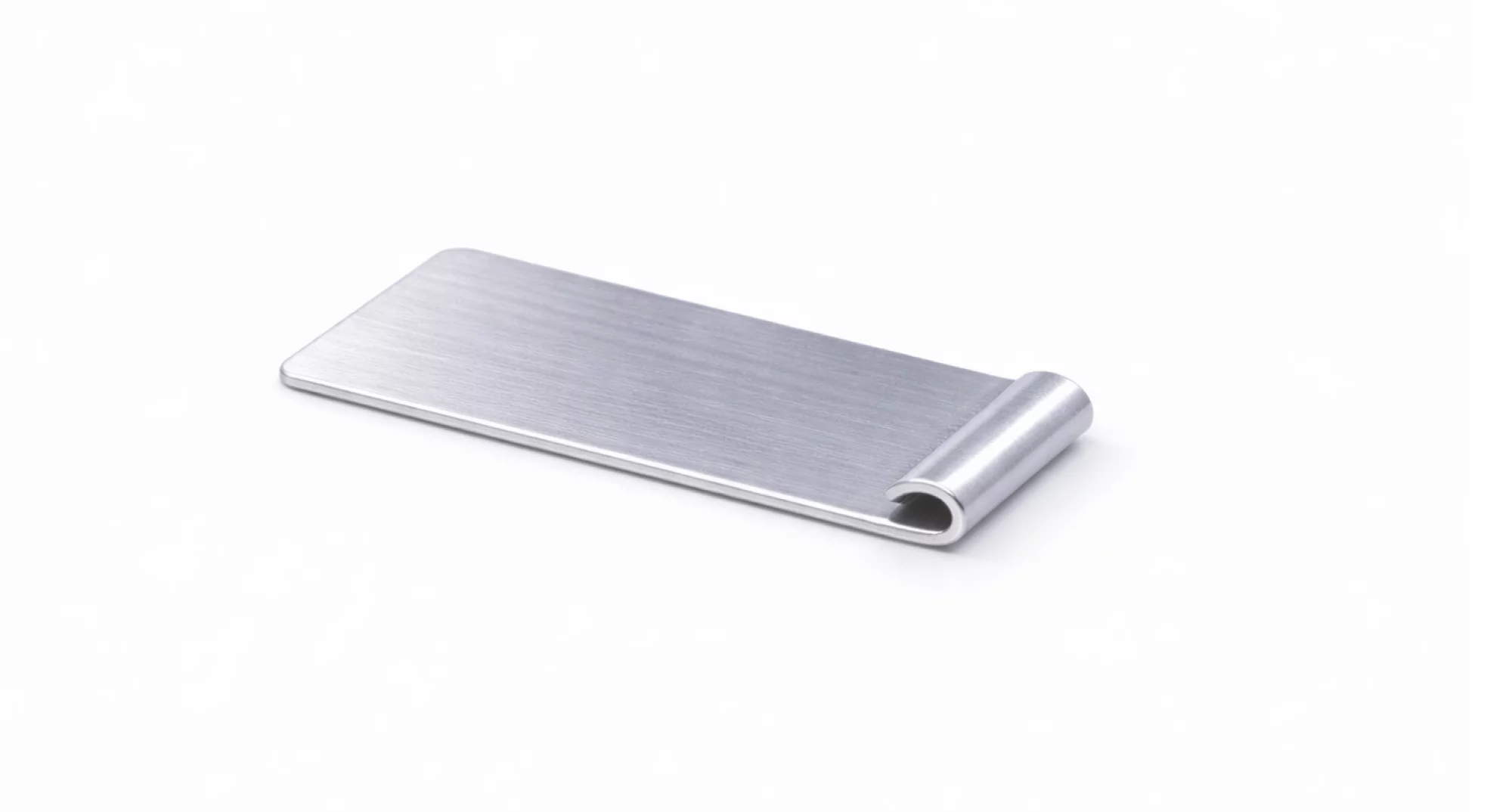
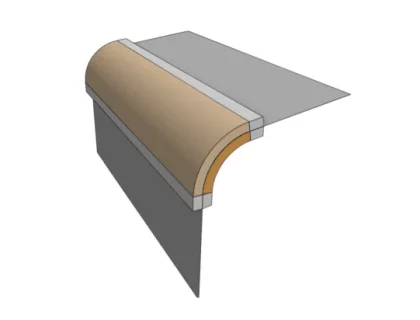
Folds an edge over itself to improve safety, stiffness, and appearance. Common for panels, enclosures, and parts with handling requirements.
Seam Bending
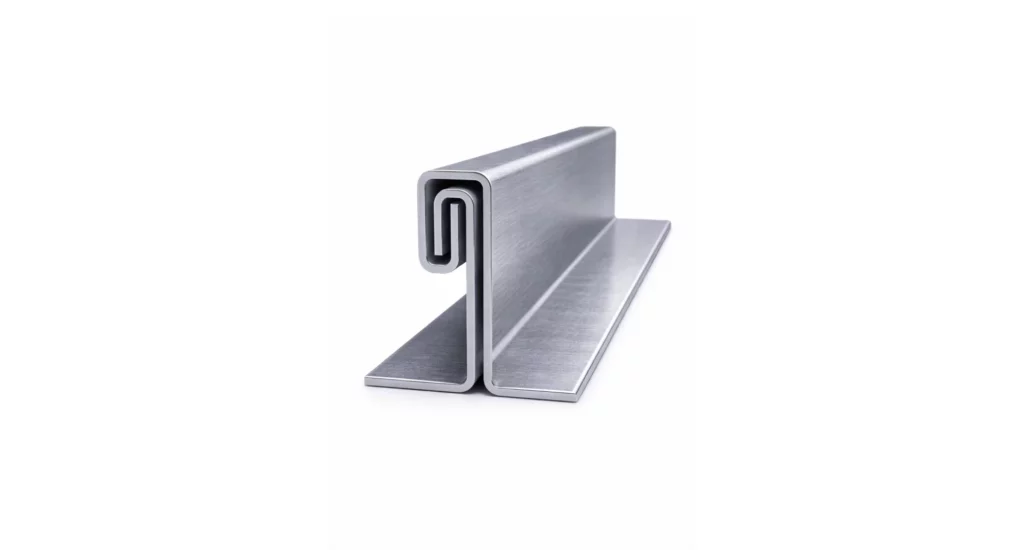
Joins edges to create enclosed seams for housings and panels. Useful for improving rigidity and part integrity.
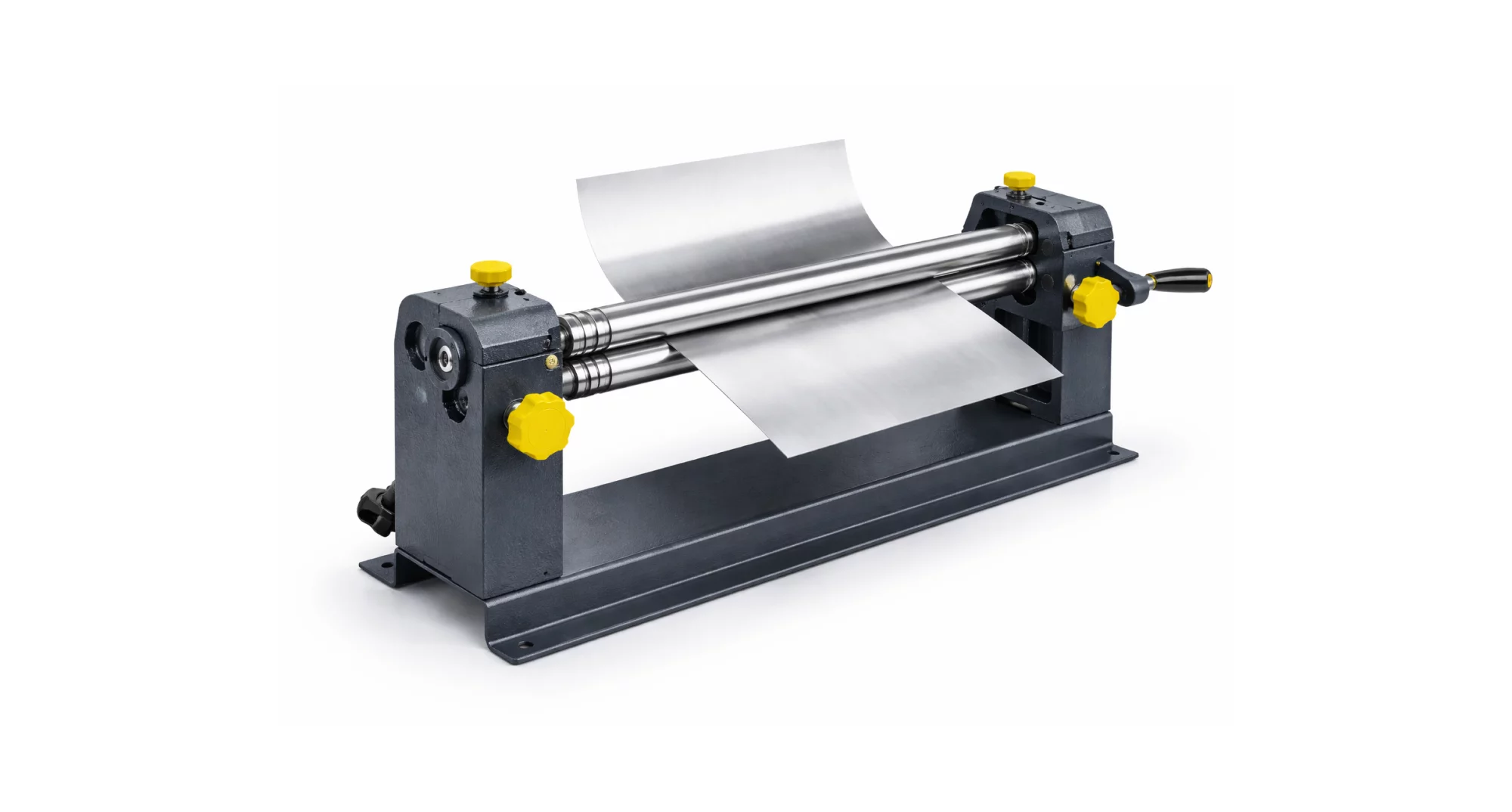
Roll Bending
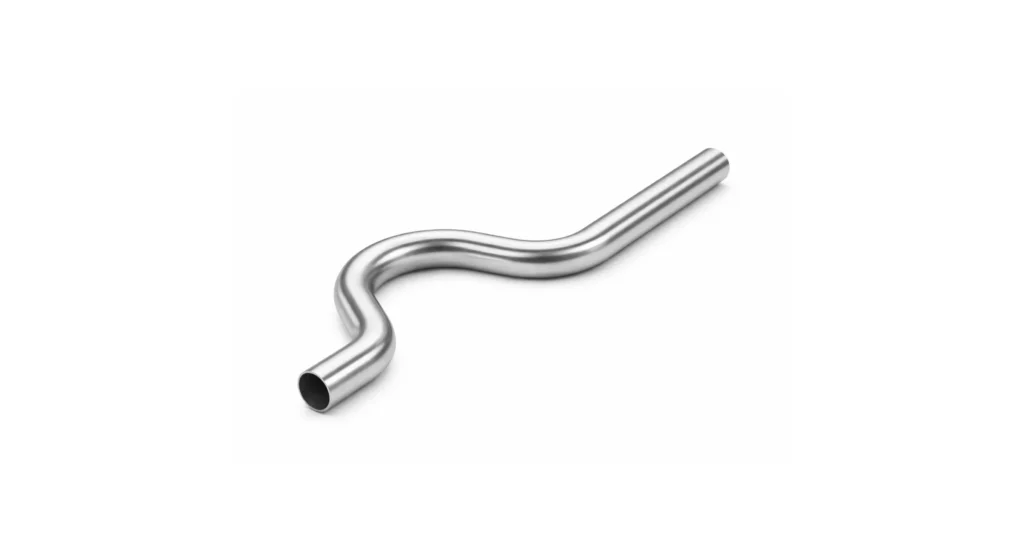
Creates large-radius curves using rollers. Ideal for arcs, cylinders, and curved sheet metal panels where a smooth radius is required.
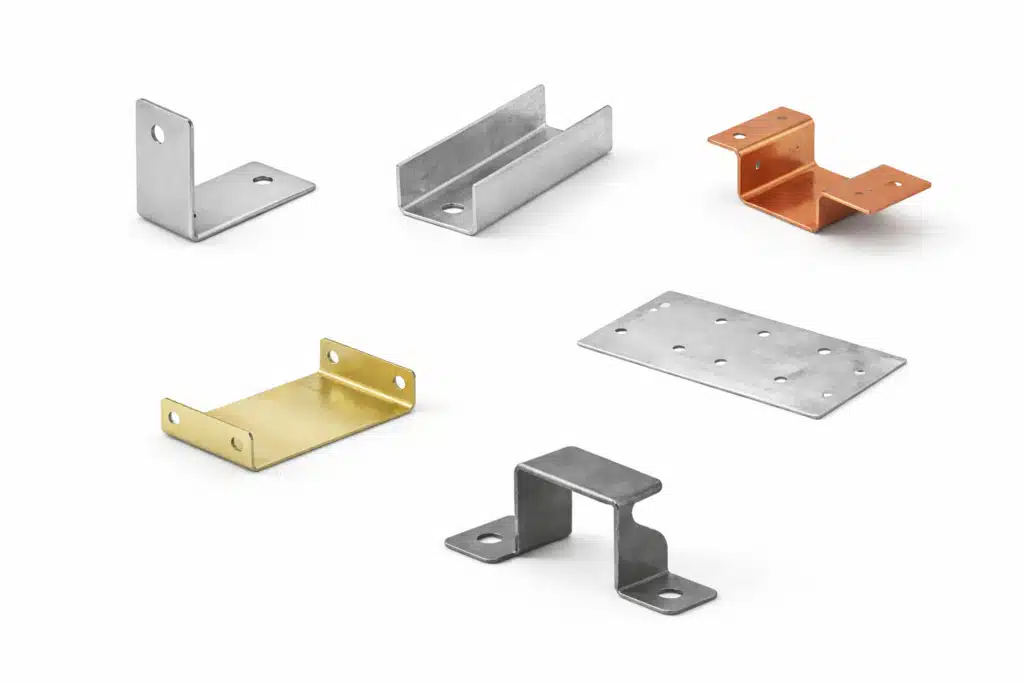
Flange & Edge Bending
Forms functional mounting surfaces and increases stiffness. Often used alongside cutting and punching workflows for assemblies.
Sheet Metal Bending Materials
Jiga supports a wide range of weldable metals, including specialty alloys.
Metals
Carbon Steel
Stainless Steel
Aluminum
Copper
Brass
Download our extensive list of available Sheet Metal Bending materials
Need something not listed? We can source it for you!
What is Sheet Metal Bending?
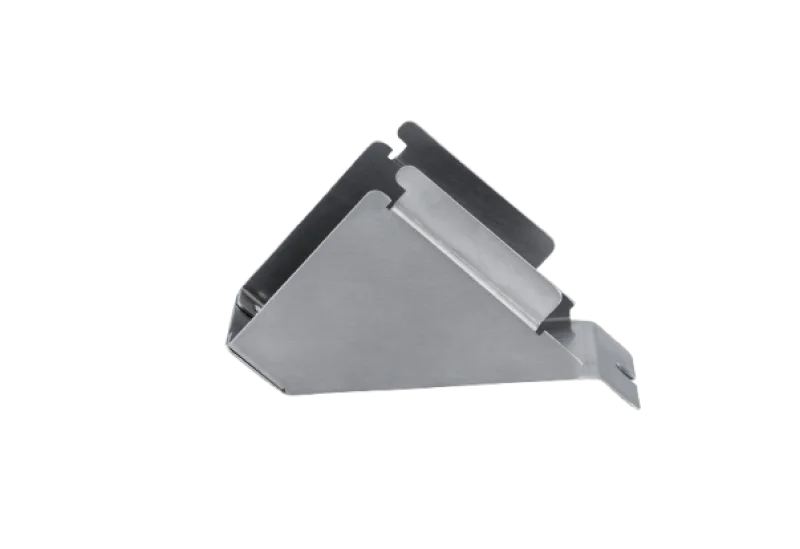
Sheet metal bending is a forming process that transforms flat sheet into angled or curved shapes using controlled force. The final result depends on material type, thickness, bend radius, tooling selection, bend allowance, and how springback is handled.
Finding reliable sheet metal bending services can be difficult. Equipment, tooling, and expertise vary widely across shops, and communication gaps can lead to costly mistakes. Jiga helps you source custom sheet metal bending through a verified supplier network.
Vetted Suppliers – Work with manufacturers that have been quality-checked and matched to your requirements.
Fast Quotes – Share your drawings and specs, then review clear quote options with lead times.
Quality and Buyer Protections – Keep critical requirements visible throughout quoting and production.
Transparent Communication – Keep RFQs, quotes, and decisions organized in one place.
What metals can be used in Sheet Metal Bending?
Most ductile metals can be bent successfully, but each behaves differently.
Minimum bend radius varies by metal, thickness, and temper.
Springback is more significant in stronger, less ductile metals.
Surface finish sensitivity may require protective tooling or handling.
Tolerance strategy and inspection requirements may change by material.
If you are unsure what material is best for your project, share your application details and we will help match you with a capable supplier.
Buyer Protection
From prototyping to production, quality is guaranteed
The quality and on-time delivery of your parts is guaranteed by Jiga. Jiga is ISO 9001:2015 and ISO/IEC 90003 certified. Our partners are AS 9100D and ISO 13485:2016 certified with ITAR & EAR options on demand.
Since partnering with Jiga, we’ve seen some considerable cuts in our lead time and pricing. We used to have upwards of eight weeks before I would see parts that I’ve ordered. Now I’m seeing them two or three weeks later. Jiga’s communication system on their website is paramount to getting these orders through. I can talk to each individual vendor based on that order. Response times are fabulous. I get responses back within the day, even if it’s overseas.
Colten B.
Purchasing Agent
In an industry where competitors often act as mere middlemen, Jiga truly stands out by empowering buyers. Their platform enhances communication with suppliers, streamlining the entire process. The easy payment system simplifies interactions with overseas vendors, eliminating the hassle of dealing with international transactions. I’ve found such value in Jiga that I’ve recommended it to all my colleagues in manufacturing.
Sean B.
Mechanical Engineer
Jiga has been an unbeatable combination of speed, quality, and price! I really like the streamlined communication platform directly with vendors, and I appreciate the prompt attention of our account manager! I have sourced a variety of custom metal parts so far and it’s been a flawless experience.
Jerry S.
Mechanical Engineer
I am continually impressed not just by the parts we have received but the incredible level of support. Our team has received 100s of parts, all at an incredible price. Because you have a direct line of communication with the teams making the parts, there is an added level of ownership that you don’t see with other platforms. We are actively switching to have more parts made on Jiga to further drive down costs and have reliable delivery dates.
Alan B.
Mechanical Engineer
There are many companies are in the quick turn space, but Jiga stands out. Why?
It’s so easy to quote with multiple vendors, view and track everything, set up a team and share information and have coverage when you’re on vacation. No other company in this space has nailed quoting, vendor communication and team capabilities like Jiga has.
Add their great customer service and it’s a really great experience.
Javier L
Principal Systems R&D Mechanical Engineer
Jiga is a fantastic platform for managing purchasing communication. As an engineer, I really don’t want to spend my time chasing email threads and maintaining spreadsheets of quotes. Jiga keeps all of this information in one place and streamlines the entire RFQ process.
Thickness depends on the metal, bend length, tooling, and press capacity. Share your thickness and bend length requirements and Jiga can match you with suppliers that have the right equipment.
How thick sheet metal can be bent?
Press brakes (manual or CNC) with punch-and-die tooling are most common. Other methods include roll benders, rotary benders, folding machines, and specialized dies for hems and seams.
Which tools are commonly used for bending sheet metal?
Bending can increase stiffness by adding geometry like flanges. However, it can also introduce localized thinning and residual stress depending on the radius and material.
Does bending sheet metal make it stronger?
Start with your design requirements: angles, inside radii, appearance, and tolerances. Then account for material behavior and springback. If you share drawings and constraints, Jiga can help identify the best approach.
How to find the best sheet metal bending technique for your project?
Jiga works with a network of verified suppliers. The best match depends on your part requirements, volume, and timeline.
How many sheet metal suppliers does Jiga use?
Jiga works with a network of verified suppliers. The best match depends on your part requirements, volume, and timeline.
How does Jiga find the right supplier for my sheet metal bending project?
We match based on technical fit (materials, thickness, complexity), production capacity, and quality requirements.
How is my quote price decided when working with Jiga?
Pricing typically reflects material cost, setup and tooling, press time, required tolerances, secondary operations (cutting, deburr, finish), inspection requirements, and lead time.