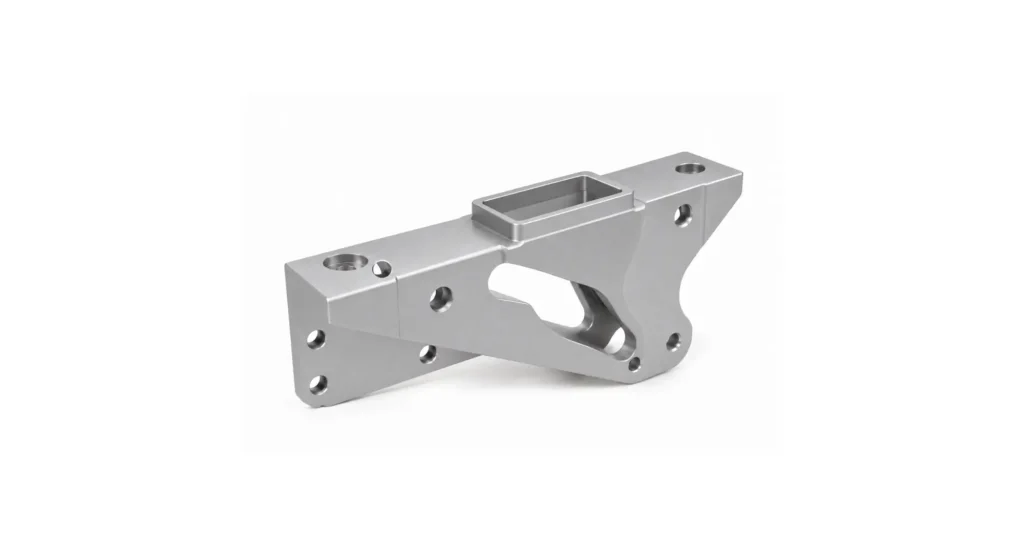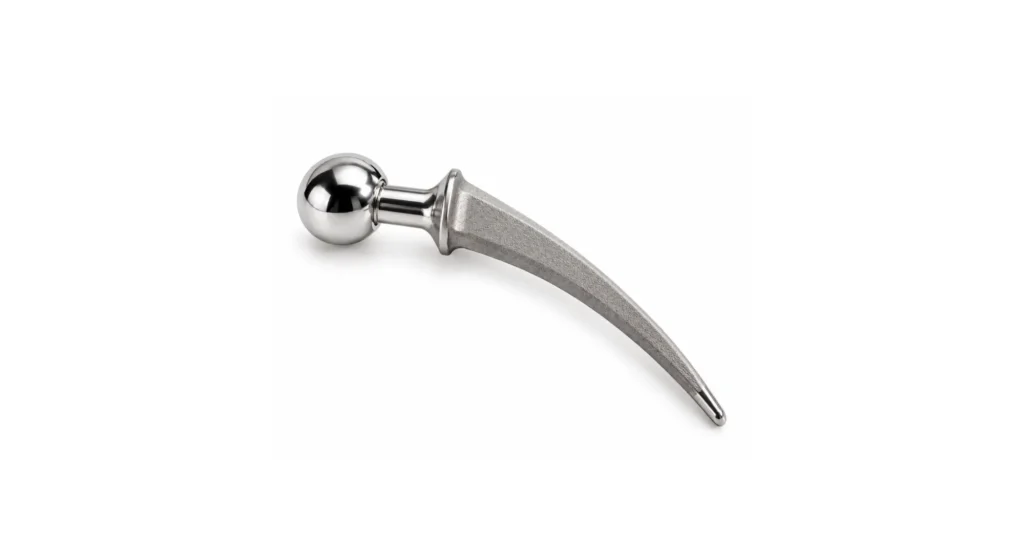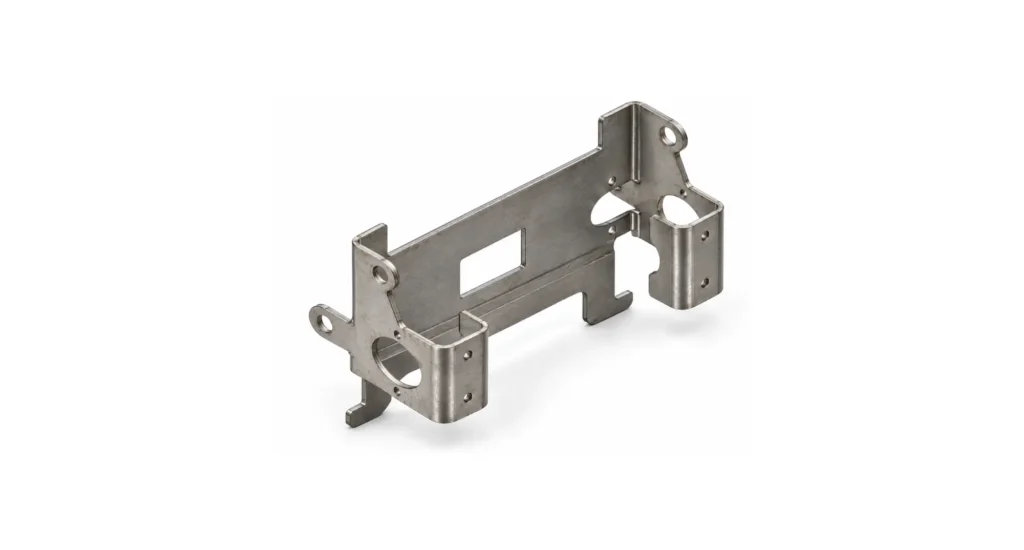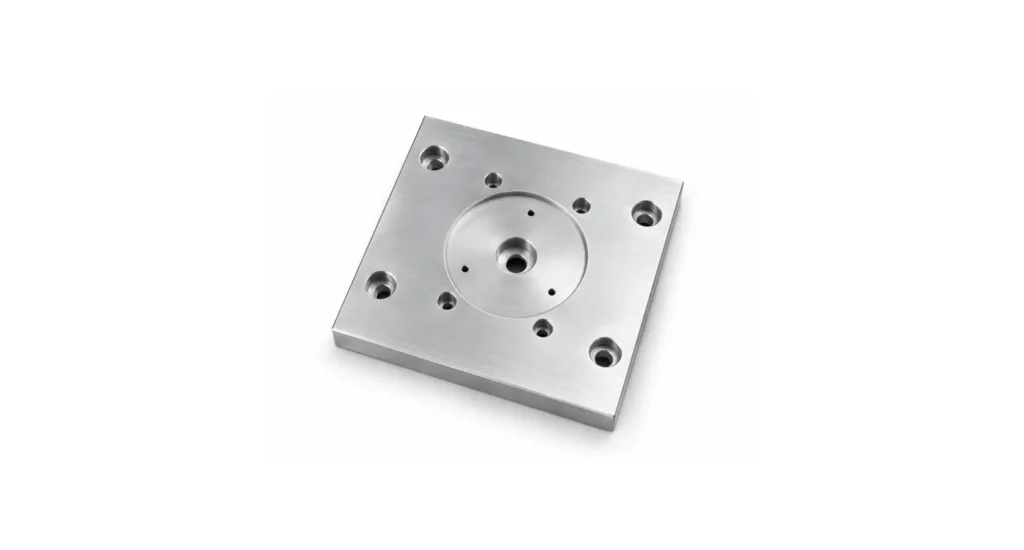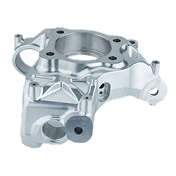
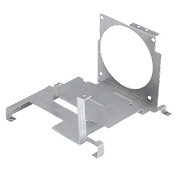
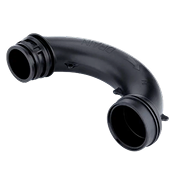
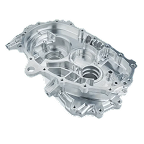
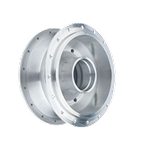
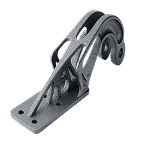
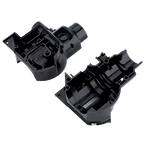
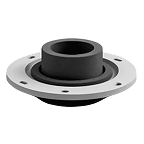

In any typical example of a machined part, threads are fundamental features, critical for fastening, sealing, and mechanical assembly.
Two divergent primary methods are used for creating machine-implemented threads: thread turning and thread milling. While they produce locally indistinguishable functional threads, their processes, tooling, and applications differ fundamentally. Selecting the right method to suit material and size affects part quality, production efficiency, and overall cost.
Thread turning is traditionally associated with single-point cutting on lathes, ideal for high-volume, standardized threads. Thread milling, on the other hand, uses multi-axis motion to generate threads, offering flexibility for complex, large, or internal threads.
Understanding the nuances that differentiate these methods helps engineers and machinists choose the better suited approach, in accordance with part specifications, material type, and production volume. Effective selection ensures precision and cost-moderation in thread creation, reduces scrap rates, and maximizes machine utilization.
Key takeaways
- Thread types: Turning is ideal for standard external threads and small-to-medium diameters. Milling excels for internal threads, large diameters, deep holes, tapered threads, and non-standard forms.


- Production volume: Thread turning is faster and more efficient for high-volume, repeatable production, whereas thread milling offers flexibility for low-volume, prototype, or custom threads.
- Surface finish and accuracy: Both methods can achieve tight tolerances and excellent surface finishes.
- Flexibility: Thread milling allows creation of left- and right-hand threads, multi-start threads, and custom profiles without changing tooling, offering superior versatility compared to turning.
- Troubleshooting and maintenance: Turning tools are easier to monitor and replace but are prone to higher stress in hard materials. Milling distributes wear across multiple cutting edges, extending tool life and maintaining consistent thread quality.
What is thread turning?
Thread turning is most commonly a single-point cutting operation performed on a lathe, where the cutting tool follows a helical path on a rotating workpiece to produce threads on external or internal surfaces.
Thread turning is one of the oldest and most established threading methods, offering high precision and repeatability. The process is highly effective for CNC machined cylindrical parts and is widely used in all sectors requiring machined parts with threads.

How thread turning works
In thread turning, the workpiece rotates while the cutting tool moves linearly along the axis of the cylindrical (or tapered) face. The feed rate is synchronized with the spindle rotation to match the desired thread pitch, where the cutter depth defines the thread diameter and the tip profile matches the thread specification. Thread turning can produce both internal and external threads, though external threads are more common. Single-pass or multiple-pass operations are possible depending on thread depth and material hardness.
Types of thread turning operations
- External threading: Cutting threads on a rotating cylindrical workpiece.
- Internal threading (boring): Creating threads within a pre-drilled hole.
- Tapered threading: Producing threads with a changing diameter along the axis.
Common thread turning tools
- Single-point threading tools made of HSS or Tungsten carbide.
- Threading inserts for CNC lathes to allow quick tool changes.
- Form tools for repetitive thread profiles.
Thread turning is strongly preferred for standardized threads and high-volume production, offering reliable tolerancing and good surface finish. Learn more about CNC turning.
What is thread milling?
Thread milling is a multi-axis cutting method in which a rotating, multipoint thread profile tool moves along the path of the thread, progressively cutting the profile of an internal or external thread. Unlike turning, thread milling is applied to a stationary (non rotating) workpiece, allowing greater flexibility with larger diameters/parts, hard materials, and complex/custom thread forms.

How thread milling works
The thread milling cutter follows the required thread path profile, while the cutter spindle rotates to progressively apply the tooth pattern, using coordinated motion in multiple axes. By cutting in increments, the process allows partial material removal, reducing cutting forces and improving thread quality/surface finish. Thread milling can produce internal, external, and tapered threads, as well as fine-pitch and custom profiles.
Types of thread milling operations
- Helical interpolation: Common for internal threads; the tool follows a helical path.
- Single-pass threading: For shallow or external threads, particularly those with relatively shallow profile.
- Multi-pass thread milling: Used for deep threads, hard materials, and high tolerance requirements.
Thread milling tool configurations
- Single-form thread mills: Machined to match the thread profile.
- Multi-form or roughing/finishing mills: For faster material removal and finer surface finish.
- Insertable thread mills: Interchangeable tips for different thread sizes and profiles.
Thread milling is particularly useful when producing internal threads in deep holes, hard alloys, or non-standard forms. For further details, see our CNC milling guide.
Thread Milling vs. Thread Turning at a glance
| Aspect | Thread Milling | Thread Turning |
|---|---|---|
| Process Type | Milling operation using a rotating tool to cut threads via helical interpolation. | Turning operation using a single-point tool that traces the thread profile along the workpiece axis. |
| Machine Requirement | Requires a CNC mill with helical interpolation (3-axis minimum). | Performed on a CNC lathe or turning center. |
| Thread Direction | Can produce both left- and right-hand threads with the same tool. | Requires different setup or tool orientation for left-hand threads. |
| Hole Type Suitability | Ideal for blind holes and larger diameters where chip evacuation is critical. | Better suited for external threads or through-holes. |
| Tool Life | Long - cutting load distributed across multiple flutes; tool wear predictable. | Moderate - single-point contact increases wear rate. |
| Surface Finish | Excellent finish due to controlled engagement and lower cutting forces. | Good finish achievable with fine feeds and sharp inserts. |
| Flexibility | One tool can cut multiple thread sizes and pitches. | Dedicated insert or tool needed for each thread form and pitch. |
| Cycle Time | Slightly longer per thread but faster setup for varied sizes. | Faster for single-size, high-volume production runs. |
| Tool Breakage Risk | Low - easy to retract if a failure occurs. | Higher - tap or insert can jam or fracture in blind holes. |
| Best For | Complex, high-value parts; precision internal threads; tough materials. | Simple, repetitive external threads; mass production runs. |
How to choose the right method
Selecting between thread milling and thread turning requires evaluating:
- Thread type and geometry: Standard external threads favor turning; custom, deep, or internal threads favor milling.
- Material: Hard or brittle materials benefit from milling; standard steels and non-exotic alloys are suitable for turning.
- Production volume: High-volume, uniform threads lean toward turning; low-volume or prototype runs favor milling.
- Machine capabilities: Single-axis lathes handle turning; multi-axis mills are required for complex milling operations.
- Setup and programming: Complex profiles or multiple thread sizes are easier to achieve with thread milling.
Selection of process based on these factors allows manufacturers to balance speed, precision, cost, and flexibility to select the optimal CNC threading method.
Key differences between thread milling and thread turning
Thread milling and thread turning differ fundamentally in cutting mechanics, machine requirements, and programming complexity.
Cutting mechanics and tool motion
- Thread turning: The cutting tool moves linearly along the workpiece axis while the workpiece rotates. Single-point tools remove material incrementally along the helical path.
- Thread milling: The rotating cutter moves along the thread profile in multiple axes while the workpiece remains stationary or rotates minimally. Material removal is incremental through the tool rotation, resulting in lower cutting forces – highly advantageous for hard or thin-walled components.
Machine requirements
- Thread turning: Requires a lathe with precise spindle synchronization and rigid tooling. Most standard CNC lathes perform well in this.
- Thread milling: Requires multi-axis CNC milling capabilities (typically 3 – 5 axes) to coordinate tool motion along the helical path. Toolpath accuracy is critical to achieve consistent thread profiles, so thread quality can be more machine-condition dependent than thread turning.
Setup and programming complexity
- Thread turning: Programming is simpler for standard threads due to the linear helical motion and predefined pitches. Tool setup involves choosing the correct insert and aligning the workpiece.
- Thread milling: Programming is more complex, requiring precise toolpath calculations to interpolate the thread profile accurately. Setup involves selecting the correct cutter, establishing the origin, and coordinating multiple axes.
| Method | Advantages | Limitations |
|---|---|---|
| Thread Turning |
|
|
| Thread Milling |
|
|
When to use thread turning
Thread turning is ideal when speed, repeatability, and simplicity are priorities.
High-volume production applications
For industries producing large quantities of standard (not large) components, thread turning offers faster cycle times with predictable tool wear. Common in automotive bolts, hydraulic fittings, and fasteners.
Standard external threads
Turning is efficient for external metric or imperial threads where dimensions and pitch are standardized. Single-pass or multiple-pass operations can be optimized for material removal, operational forces, and surface finish.
Small to medium diameter threads
Thread turning performs best on smaller diameters, where single-point cutting can maintain accuracy and surface quality without excessive tooling stress. It’s suitable for both low and high-strength metals.
Decision guidance: When working with standard, small-to-medium external threads and high-volume production, thread turning maximizes throughput and minimizes programming complexity. For cost-optimization strategies in CNC operations, refer to reducing CNC machining costs.
When to use thread milling
Thread milling is best when flexibility, material hardness, or thread complexity are key concerns.
Large diameter threads
Turning elongated threads is challenging due to deflection and cutting forces. Thread milling maintains precision and avoids tool stress for lengths exceeding typical turning capabilities.
Hard and difficult-to-machine materials
Materials like Titanium, stainless steel, or Inconel respond better to thread milling, as lower cutting forces reduce tool wear and part deformation.
Internal threads in deep holes
Deep internal threads are challenging with single-point turning. Thread milling can interpolate the thread profile efficiently, even in narrow or deep bores.
Custom and non-standard thread forms
Non-standard profiles, such as trapezoidal, square, or multi-start threads, are easily achieved through programmable toolpaths in thread milling.
Low-volume and prototype production
Thread milling is ideal for prototypes or small batches, where a single tool can cut multiple thread sizes or custom profiles with reduced retooling/setup.
Other scenarios include complex part geometries or parts requiring high precision in exotic materials. For related guidance, see Aluminum machining tips and CNC milling and turning comparison.
Conclusion
Thread milling and thread turning each occupy essential niches in modern CNC machining, and understanding where each is optimal is key to productivity, cost, and precision.
As part geometries become more intricate and production moves toward smaller batch sizes and greater agility, thread milling is increasingly favored for precision-critical applications in aerospace, medical devices, and moldmaking. Yet, for high-volume, cost-sensitive production where setup efficiency and repeatability are paramount, thread turning continues to lead.
Ultimately, the most effective shops understand both techniques – selecting thread turning for efficiency and thread milling for versatility. By matching process capability to design intent, specifiers of machining approaches can ensure reliable threads, longer tool life, and reduced rework across all production scales.
Frequently Asked Questions
Is thread turning faster than milling?
Thread turning is generally faster for standard, external threads, particularly in high-volume production. Single-point cutting on a lathe allows rapid helical passes. Thread milling, while flexible, requires coordinated multi-axis motion, making it slower for routine, high-volume parts.
Can thread milling produce left-hand threads?
Yes, thread milling can produce both right-hand and left-hand threads by programming the toolpath in the desired rotational direction. This flexibility makes milling ideal for custom parts requiring non-standard handedness, without changing tooling.
What is the smallest thread size for thread milling?
Thread milling can produce very small threads, often down to M1 or equivalent, depending on the mill cutter diameter and machine precision. Extremely fine threads require careful control of feed, spindle speed, and tool rigidity.
Is thread turning suitable for hard materials?
Thread turning is possible in hard materials, but it requires slow feeds, multiple passes, higher cutting forces, and high-quality carbide inserts. Excessive cutting forces can deflect the tool or deform the workpiece. Hard alloys are generally easier to mill than turn.
Which method produces better surface finish?
Both methods can achieve high-quality surface finishes. Thread turning provides consistent finish on standard threads in normal operations, while thread milling often requires incremental passes and finishing cuts for similar profiles, particularly in hard materials. Surface roughness depends on tool condition, feed rate, cutting forces and material properties. See more on surface finish.
Can both methods create metric and imperial threads?
Yes. Both thread turning and milling can produce metric and imperial threads, provided the tool geometry and programming correspond to the desired pitch and profile.
What CNC machines are required for each method?
Thread turning: Standard CNC lathe with synchronized spindle and linear feed.
Thread milling: Multi-axis CNC mill capable of helical interpolation, typically 3 – 5 axes depending on thread complexity