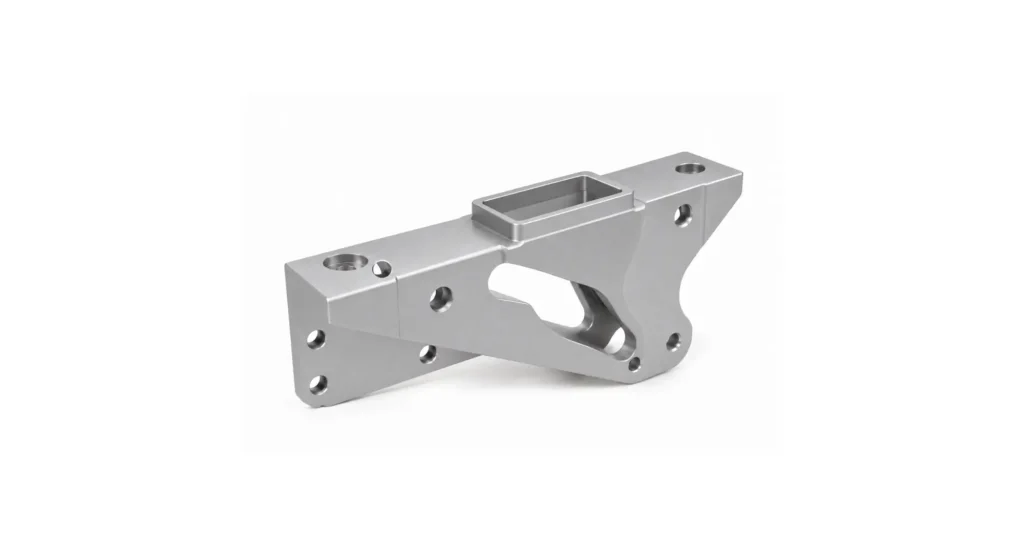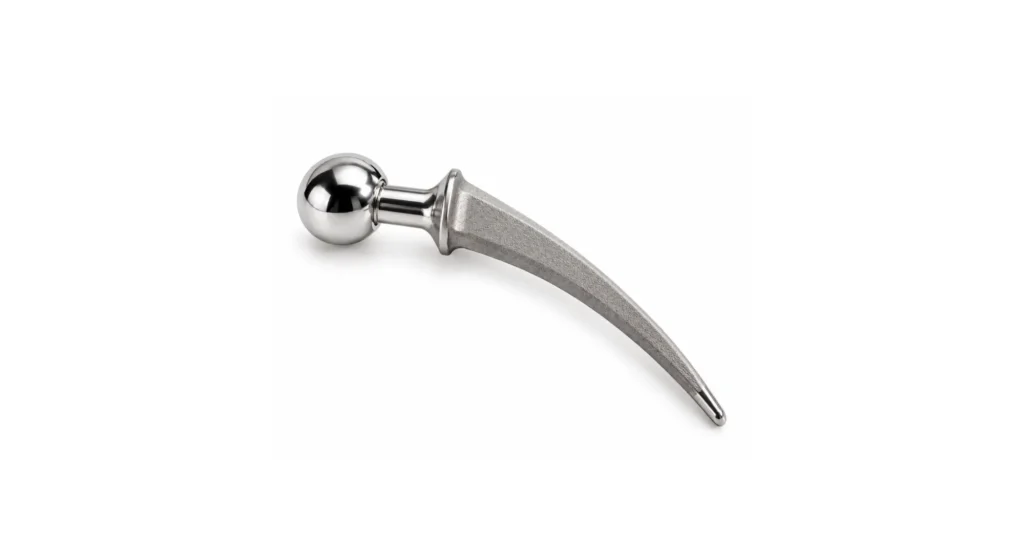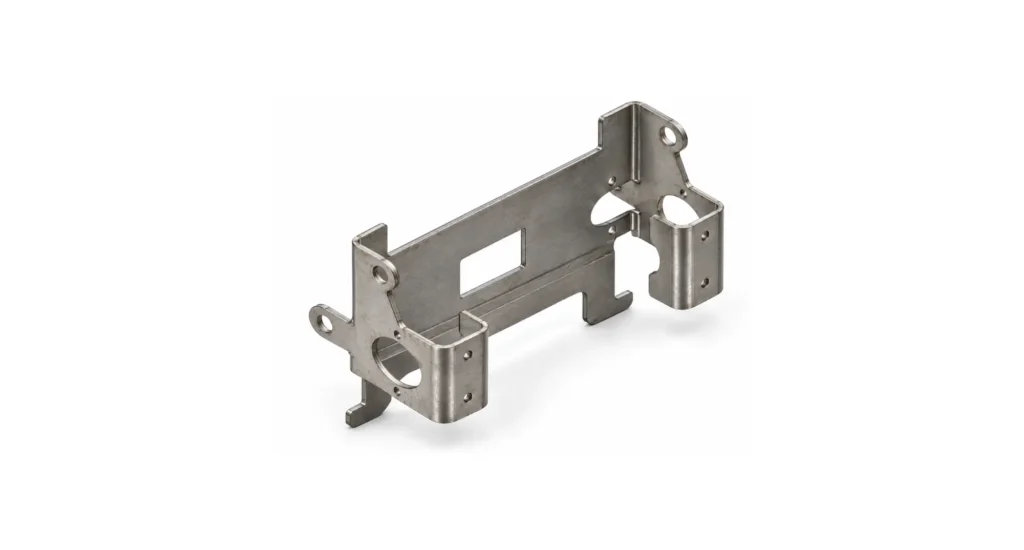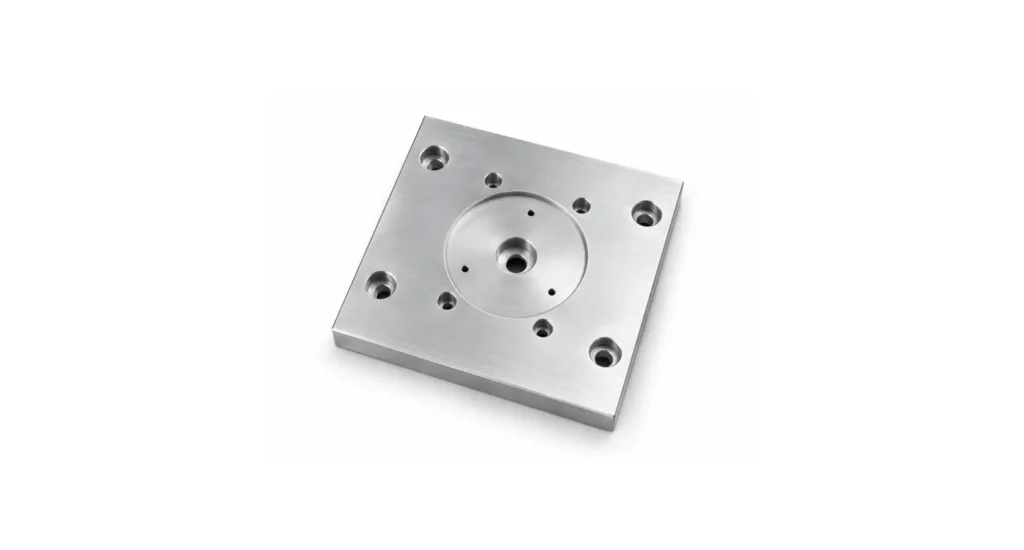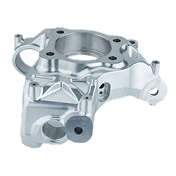
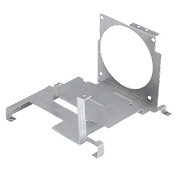
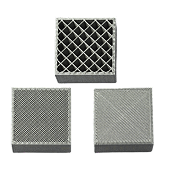
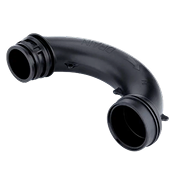
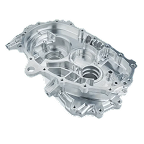
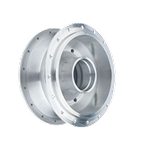
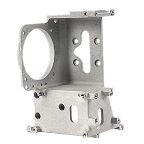

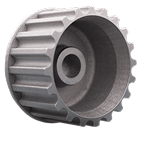
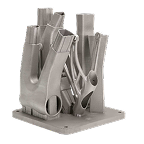
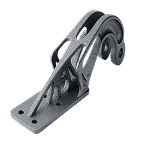
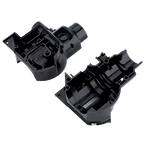
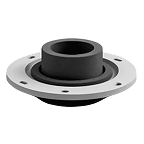

CNC machining outcomes depend on the tools, the skills and the materials.
A design optimized in CAD can fail technically or commercially if the process is excessive tool wear, or structural failure in service. Material properties – hardness, strength-to-weight ratio, corrosion resistance, and thermal stability – dictate part performance, machine feed speeds/removal rates, etc.
Material selection is also a driver of project economics. A part machined in Aluminum requires less time than one made from Titanium, delivering cost savings. Selecting a cheaper but less serviceable material saves cost but can result in part failure and costly redesigns. The right balance between machinability, availability, and performance reduces production costs without sacrificing quality.
Each project holds unique priorities and challenges. For aerospace, weight is key; for medical devices, biocompatibility/sterilization rule; for automotive parts, durability and moderated cost are essential.
A deep understanding of material properties is key to delivering performance that meets the need, while avoiding wasted costs.
Key summaries:
- Materials selection is a key factor in cost, manufacturing, and product outcome.
- Difficulties created through more exotic or hard-to-handle materials can easily impose equipment and processing constraints that overwhelm productivity.
- Conversely, selection of ‘easier’ materials can negatively affect product utility.
- The skill in balancing the various imperatives of a good production process and optimal product outcome is at the heart of material selection.
Material selection criteria for CNC machining
When choosing a material for CNC machining, engineers weigh several core factors that directly influence part quality, performance, and cost. A complex decision-making process in selection must consider:
- Mechanical properties
- Machinability
- Thermal and chemical resistance
- Dimensional stability
- Surface finish and tolerances
- Availability and cost
- Compatibility with post-processing
- Regulatory and industry requirements
- Recyclability
This framework gives a universal lens for comparing candidate materials before drilling into the specifics of metals, plastics, or composites.
Metal materials for CNC machining
The metals family is extensive. This is not a complete and detailed analysis of the options but covers the main grades/types.
Composed of Nickel, Chromium, and other elements, these alloys alter the properties of mild, medium Carbon and high Carbon steels for property gains in a variety of directions.
Grade 304 Stainless Steel
304 is the most widely used stainless steel in CNC machining due to its excellent corrosion resistance, good formability, and weldability. It is non-magnetic and maintains strength at moderate temperatures. Its hardness causes higher tool wear and slower feeds.
Grade 316 Stainless Steel
316 stainless offers superior corrosion resistance compared to 304, especially against chlorides, making it ideal for marine, chemical, and medical environments. It retains mechanical properties across a broad temperature range.
Grade 416 Stainless Steel
416 is a free-machining martensitic stainless steel, containing added sulfur to improve machinability. It offers good strength, moderate corrosion resistance, and the ability to achieve high hardness through heat treatment. In CNC machining, it delivers faster cycle times and extended tool life compared to austenitic grades like 304 and 316.
17-4 PH Stainless Steel
17-4 PH is a precipitation-hardened stainless steel known for its excellent combination of high strength, hardness, and moderate corrosion resistance. It machines reasonably well in the solution-annealed condition but becomes tougher after heat treatment.
Aluminum Alloys
These are alloys whose primary constituent is elemental Aluminium, modified by alloying agents such as Copper, Magnesium, Manganese, Silicon, Zinc, Titanium, and others.
6061-T6 Aluminum
6061-T6 is one of the most versatile and commonly machined aluminum alloys. It combines good strength, excellent corrosion resistance, and high machinability, making it a go-to choice for prototypes and production parts.
7075 Aluminum
7075 aluminum is among the strongest aluminum alloys, with mechanical properties approaching low-alloy steels while maintaining relatively low weight. However, it is less corrosion-resistant than 6061, especially in marine or chemical environments.
2024 Aluminum
2024 is an aerospace-grade aluminum alloy valued for its excellent fatigue resistance and high strength. It machines well but has lower corrosion resistance, often requiring protective coatings. It is more difficult to weld but responds well to surface finishing.
Titanium Alloys
Containing high levels of Titanium, these alloys are supplemented by Aluminum, Vanadium, Iron, Molybdenum, Copper, Tin, and other metals, for particular property enhancements over the native element.
Grade 2 Titanium
Grade 2 is a commercially pure titanium known for its excellent corrosion resistance, biocompatibility, and good formability. It has moderate strength compared to alloys but is much easier to machine than Grade 5.
Grade 5 Ti-6Al-4V
Grade 5 is the most widely used titanium alloy, offering an outstanding combination of high strength, corrosion resistance, and low density. It is the standard choice for aerospace, defense, and biomedical components.
This large family of alloys is based on Iron, controlled quantities of Carbon and a wide spectrum of alloying agents such as Manganese, Chromium, Nickel, Molybdenum, Silicon, Vanadium, Titanium, Boron, Tungsten, Cobalt, Copper, and Nitrogen
Low Carbon Steel
Low carbon steels (mild steels) are cost-effective and highly machinable, with good ductility and weldability. They lack the strength and hardness of alloy steels but machine easily, making them ideal for prototypes, general industrial parts, and components not exposed to high stress.
Medium Carbon Steel
Medium carbon steels offer a balance of strength, toughness, and machinability. They are harder to machine than mild steels but provide significantly better wear resistance and mechanical performance.
Alloy Steel Grades
Alloy steels incorporate elements like chromium, molybdenum, or nickel to enhance strength, toughness, and wear resistance. They can be heat-treated to achieve high hardness, but this also makes machining more demanding.
Copper, Bronze and Brass
This is the extensive family of Copper alloys, altered by addition of a variety of other metals to create three groups;
- Copper – largely pure, but with Aluminium, Nickel, Beryllium, Silicon, Lead, Phosphorus
- Bronze – Copper alloys with high levels of Tin and other elements
- Brass – Copper alloys with high levels of Zinc and other elements
Copper Alloy 101
Copper 101 (oxygen-free copper) offers excellent electrical and thermal conductivity, making it ideal for CNC-machined electrical components. It is relatively soft, allowing for easy machining, but tends to produce gummy chips that require sharp tooling and chip control strategies.
Copper Alloy 110
Copper 110 (electrolytic tough pitch copper) has nearly the same conductivity as Copper 101 but is more widely available and slightly less costly. It machines with similar challenges—tendency to gall and produce long chips—yet is frequently used in electrical, HVAC, and architectural applications.
360 Brass
360 brass, known as free-machining brass, is one of the easiest metals to machine. Its lead content provides excellent chip breaking, low tool wear, and the ability to achieve high-speed machining with fine finishes. It also offers good corrosion resistance and strength for many industrial and decorative uses.
Plastic materials for CNC machining
The family of polymers, co-polymers and additive modified polymers is massive and growing. What is offered here is a review of characteristics for some examples, as a general guide. Although some polymers are considered ‘engineering’ materials and others more cosmetic, the definitions are not rigid and opinions differ.
PEEK (polyetheretherketone)
PEEK is a high-performance thermoplastic appreciated for its exceptional strength, stiffness, and great thermal stability, withstanding continuous service temperatures up to 250 °C. It resists most solvents, chemicals, and abrasion/wear, making it suitable for aerospace, medical, and chemical processing parts.
Nylon (polyamide)
Nylons are an extensive family of materials of various types/densities. They generally offer a balance of toughness, wear resistance, and impact strength, with intrinsic lubricity that reduces friction in sliding and rotating components. They typically absorb moisture, which can affect dimensional stability.
Polycarbonate
Polycarbonate combines impact resistance with high dimensional stability and optical clarity. It tolerates moderate heat and is more rigid than many plastics, while still providing toughness in resisting cracking. Machinists must use sharp tools and careful control of machining parameters to prevent stress cracking.
HDPE (high-density polyethylene)
HDPE is lightweight, tough, and chemically resistant, though it has relatively low stiffness compared to engineering plastics. It machines easily but can deform under excessive heat, localized pressure or stress due to its more modest stability and toughness. Parts made from
Acetal
Acetal (Delrin/POM) is a versatile engineering-grade plastic, but often selected for general machining, due to its exceptional processing properties. It offers excellent dimensional stability, low coefficient of friction, and good strength, with low moisture absorption compared to Nylon.
Acylonitrile-butadyene-styrene (ABS)
ABS is affordable, tough, widely available, and offers good impact resistance, with good machinability and moderate chemical resilience. It performs well in enclosures, housings etc, where low weight and high durability are needed, but moderate strength will suffice.

Other materials
While basic metals and plastics represent the great bulk of 5 axis CNC machined parts, the most demanding parts and highest value process outcomes are typically made from;
- Composites such as Carbon fiber and kevlar reinforced thermometer polymers
- Hybrid composites, using two or more divergent reinforcing fibers in a matrix
- Ceramics such as Silicon carbide, Aluminium Nitride, Biron nitride or specialist materials such as Macor and Shapal Hi-M for extreme chemical and thermal resilience.
- Superalloys such as Inconel, Hastelloy etc that push alloy properties to the extreme.
Material properties comparison
| Material | Machinability | Strength | Strength-to-Weight Ratio |
Corrosion Resistance |
Cost | Thermal Properties |
Notes / CNC Application |
|---|---|---|---|---|---|---|---|
| 304 Stainless | ★★★★★ | ★★★★★ | ★★★★★ | ★★★★★ | ★★★★★ | ★★★★★ | General stainless; food, medical, architectural. |
| 316 Stainless | ★★★★★ | ★★★★★ | ★★★★★ | ★★★★★ | ★★★★★ | ★★★★★ | Marine, chemical, pharmaceutical use. |
| 416 Stainless | ★★★★★ | ★★★★★ | ★★★★★ | ★★★★★ | ★★★★★ | ★★★★★ | Good machinability; shafts, fasteners. |
| 17-4 PH Stainless | ★★★★★ | ★★★★★ | ★★★★★ | ★★★★★ | ★★★★★ | ★★★★★ | Aerospace, defense, high-strength valves. |
| 6061-T6 Aluminum | ★★★★★ | ★★★★★ | ★★★★★ | ★★★★★ | ★★★★★ | ★★★★★ | Lightweight housings, prototypes, structures. |
| 7075 Aluminum | ★★★★★ | ★★★★★ | ★★★★★ | ★★★★★ | ★★★★★ | ★★★★★ | Aerospace-grade, high-performance parts. |
| 2024 Aluminum | ★★★★★ | ★★★★★ | ★★★★★ | ★★★★★ | ★★★★★ | ★★★★★ | Aerospace, fatigue-critical applications. |
| Grade 2 Titanium | ★★★★★ | ★★★★★ | ★★★★★ | ★★★★★ | ★★★★★ | ★★★★★ | Medical, chemical processing, corrosion-critical. |
| Grade 5 Ti-6Al-4V | ★★★★★ | ★★★★★ | ★★★★★ | ★★★★★ | ★★★★★ | ★★★★★ | Aerospace, defense, implants. |
| Low Carbon Steel | ★★★★★ | ★★★★★ | ★★★★★ | ★★★★★ | ★★★★★ | ★★★★★ | Low-cost structural parts. |
| Medium Carbon Steel | ★★★★★ | ★★★★★ | ★★★★★ | ★★★★★ | ★★★★★ | ★★★★★ | Shafts, gears, automotive. |
| Alloy Steels | ★★★★★ | ★★★★★ | ★★★★★ | ★★★★★ | ★★★★★ | ★★★★★ | Heavy-duty wear parts. |
| Copper 101 | ★★★★★ | ★★★★★ | ★★★★★ | ★★★★★ | ★★★★★ | ★★★★★ | Electrical, heat exchangers. |
| Copper 110 | ★★★★★ | ★★★★★ | ★★★★★ | ★★★★★ | ★★★★★ | ★★★★★ | Conductive bus bars, terminals. |
| 360 Brass | ★★★★★ | ★★★★★ | ★★★★★ | ★★★★★ | ★★★★★ | ★★★★★ | Fittings, fasteners, decorative parts. |
| Material | Machinability | Strength | Strength-to-Weight Ratio |
Corrosion Resistance |
Cost | Thermal Properties |
Notes / CNC Application |
|---|---|---|---|---|---|---|---|
| PEEK | ★★★★★ | ★★★★★ | ★★★★★ | ★★★★★ | ★★★★★ | ★★★★★ high heat resistance (~250 °C) | Aerospace, medical, pump housings in harsh environments. |
| Nylon | ★★★★★ | ★★★★★ | ★★★★★ | ★★★★★ | ★★★★★ | ★★★★★ softens under heat, absorbs moisture | Gears, bushings, wear parts. |
| Polycarbonate | ★★★★★ | ★★★★★ | ★★★★★ | ★★★★★ | ★★★★★ | ★★★★★ Tg ~150 °C | Impact housings, covers, transparent enclosures. |
| HDPE | ★★★★★ | ★★★★★ | ★★★★★ | ★★★★★ | ★★★★★ | ★★★★★ low melting point (~120 °C) | Tanks, containers, chemical fixtures. |
| Acetal (POM) | ★★★★★ | ★★★★★ | ★★★★★ | ★★★★★ | ★★★★★ | ★★★★★ stable to ~160 °C | Precision gears, valve parts. |
| ABS | ★★★★★ | ★★★★★ | ★★★★★ | ★★★★★ | ★★★★★ | ★★★★★ Tg ~105 °C | Prototypes, enclosures, consumer goods. |
Industry-specific material applications
Various industries exploit CNC manufacture in specific ways that are particular to each sector.
Aerospace materials
The aerospace industry has some of the most demanding requirements of any sector: extreme weight limits, tight tolerances, harsh environmental exposure, and strict regulatory compliance. CNC machining plays a central role in meeting these standards because it combines precision, repeatability, and material flexibility.
Lightweight Materials: Aerospace components must maximize strength-to-weight ratio to improve fuel efficiency and payload capacity. CNC machining is ideal for materials like Aluminum alloys (6061, 7075) and Titanium (Grade 5 Ti-6Al-4V), which are difficult to process with non-precision methods.
Complex Geometries: Aircraft structures, turbine components, and housings often feature complex channels, thin walls, and contoured surfaces. Multi-axis CNC machines can execute these challenging aspects with micrometer accuracy, providing high structural integrity and reduced stress concentration.
Tight Tolerances: Aerospace parts, such as turbine blades, engine housings, and hydraulic components, require extensive tolerancing as tight as ±0.01 mm, with even higher precision in limited areas.
Material Versatility: CNC machining supports the extensive range of aerospace materials: stainless steels for fasteners, superalloys for turbines, and engineering plastics (PEEK, POM) for lightweight interiors and insulation.
Quality and Certification: Aerospace components must comply with AS9100 standards and undergo rigorous quality control.
Cost and Efficiency: CNC’s speed and precision in low-to-medium volume production remain unmatched for certified aerospace parts.
Medical device materials
The medical industry demands components that meet exceptionally strict safety, biocompatibility, and precision standards. Medical CNC machining is widely adopted because it ensures micron-level tolerances, supports certified biocompatible materials, and allows rapid prototyping alongside scalable production.
Biocompatible Materials: CNC machining enables precise shaping of Titanium alloys (implants, bone screws), stainless steel (surgical tools, orthopedic devices), and medical-grade plastics (PEEK, PMMA, PTFE) that must interact safely with the human body.
Micron-Level Precision: Devices such as hip implants, pacemaker housings, and surgical instruments require tolerances within a few microns.
Complex, Custom Geometries: CNC supports the production of personalized implants and dental restorations, where geometries must match unique patient anatomy, delivered from 3D scan data pre-surgery.
Surface Finish and Sterility: CNC machining can achieve polished, burr-free surfaces that reduce infection risk and improve sterilization, and finishes
Regulatory and Quality Compliance: Medical manufacturing must meet ISO 13485, FDA, and CE requirements. CNC machining integrates seamlessly with inspection systems.
Rapid Prototyping to Production: CNC bridges the gap between early-stage designs and production-scale runs, making it ideal for fast innovation cycles in medical device R&D.
Automotive components
The automotive sector relies on CNC machining for precision, repeatability, and performance-critical components. While mass production often shifts to lesser precision and more volume-suitable process methods like casting, stamping, or molding,
Engine and Powertrain Components: CNC machining delivers tight tolerances required for pistons, cylinder heads, engine blocks, and turbo housings.
Safety-Critical Parts: Brake system components, steering gears, and suspension parts are machined to exact specifications to ensure reliability and vehicle safety.
Prototyping and Design Iteration: CNC machining enables rapid prototyping of new automotive designs, such as EV battery housings, motor mounts, and aerodynamic features, allowing engineers to test and refine quickly before mass production.
Lightweight Materials: The rapidly rising concern for fuel efficiency and EV range drives the use of CNC machining for lightness, using Aluminum alloys, Magnesium, and composites to replace steel.
Tooling and Jigs: Automotive factories depend on CNC-machined molds, dies, and fixtures for large-scale production. The accuracy of these tools directly impacts downstream quality.
Race and Performance Vehicles: For motorsport and high-performance cars, CNC machining is indispensable for customized, low-volume parts such as Titanium suspension links, alloy wheels, or precision intake manifolds.
Electronics and consumer goods
The electronics and consumer goods sectors use CNC machining where precision, aesthetics, and functionality converge. While mass production often relies on molding, pressing, or casting, CNC is critical for prototyping, limited run premium products, and small-batch runs.
Device Housings and Enclosures: CNC machining produces high-precision housings for smartphones, laptops, wearables, and IoT devices. Aluminum, magnesium, and plastics are frequently chosen for their durability, light weight, and consumer-appreciated finish.
Heat Management Components: In electronics, CNC is used to manufacture heatsinks, thermal spreaders, and cooling channels in Aluminum and Copper, ensuring high thermal transfer thermal efficiency in compact designs.
Precision Connectors and Fittings: CNC machining enables the production of micrometer-accurate connectors, pins, and sockets, essential for connectors involved in high-speed data transfer and signal integrity in advanced devices.
Prototyping and Rapid Design Cycles: With product lifecycles shortening, CNC machining provides fast turnaround prototypes that let design teams validate ergonomics, assembly, and fit before committing to mass production.
Consumer Product Components: High-end goods, such as luxury watches, audio equipment, kitchenware, and fitness gear, leverage CNC machining for high-aesthetic surfaces, tight tolerances, and premium material finishes.
Customization and Limited Runs: CNC machining supports personalized consumer goods (e.g., custom phone cases, engraved products, designer furniture fittings) and low-volume specialty items.
CNC Machining FAQs
How do I determine the right material thickness?
In CNC processing, the right material thickness is determined by combining design requirements, structural loads, and machining limitations. Engineers use FEA or bending calculations to ensure rigidity, consider tool access and cutting forces, and account for tolerances, deflection, and thermal effects to optimize part performance and manufacturability.
What materials work best for high-volume production?
Snippet response: Materials that work best for high-volume CNC production include aluminum, mild and stainless steels, brass, and engineering plastics like PEEK or Delrin. These materials offer good machinability, consistent dimensional stability, and predictable tool wear, enabling fast cycle times, repeatable quality, and cost-effective large-scale manufacturing.
What materials work best for high-volume production?
Materials that require special cutting fluids in CNC machining include stainless steels, titanium, nickel-based superalloys, and certain hardened steels. These alloys generate high heat, work harden quickly, or are prone to tool wear, so specialized coolants or lubricants improve surface finish, extend tool life, and prevent thermal damage.
How does material choice affect tolerances?
Snippet response: Material choice affects CNC tolerances because different metals and plastics have varying thermal expansion, elasticity, and machining behavior. Hard or brittle materials may require slower feeds to maintain accuracy, while softer materials risk deformation. Selecting the right material ensures achievable tolerances, consistent dimensions, and minimal post-machining adjustments.
What are the most environmentally friendly CNC materials?
Snippet response: Environmentally friendly CNC materials include recycled aluminum, bio-based plastics, sustainably sourced woods, and low-VOC composites. These materials reduce carbon footprint, minimize waste, and often allow for energy-efficient machining. Choosing recyclable or renewable materials supports sustainable manufacturing while maintaining performance and machinability.

Jon
Jon
Whitepaper
The complete guide to Design for Manufacturing and Assembly