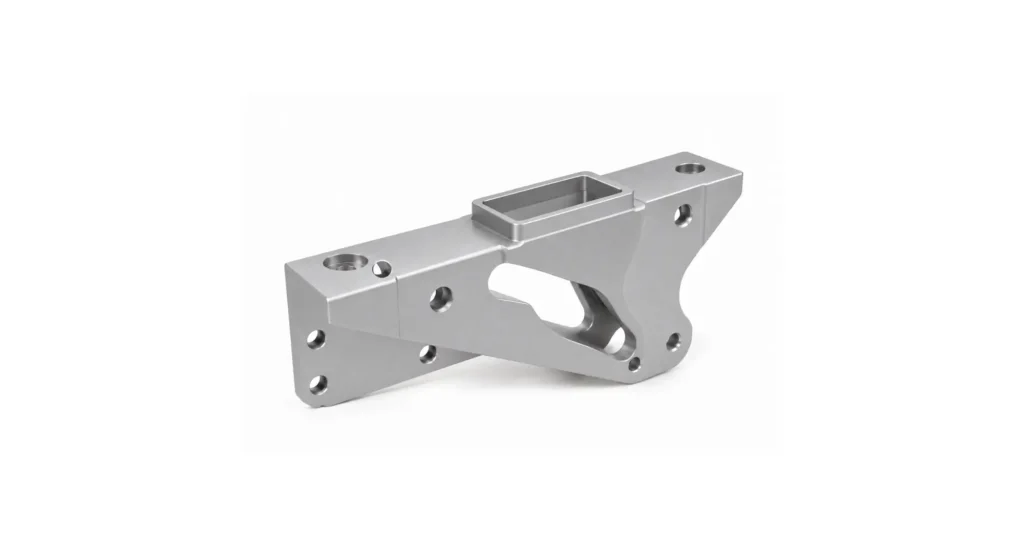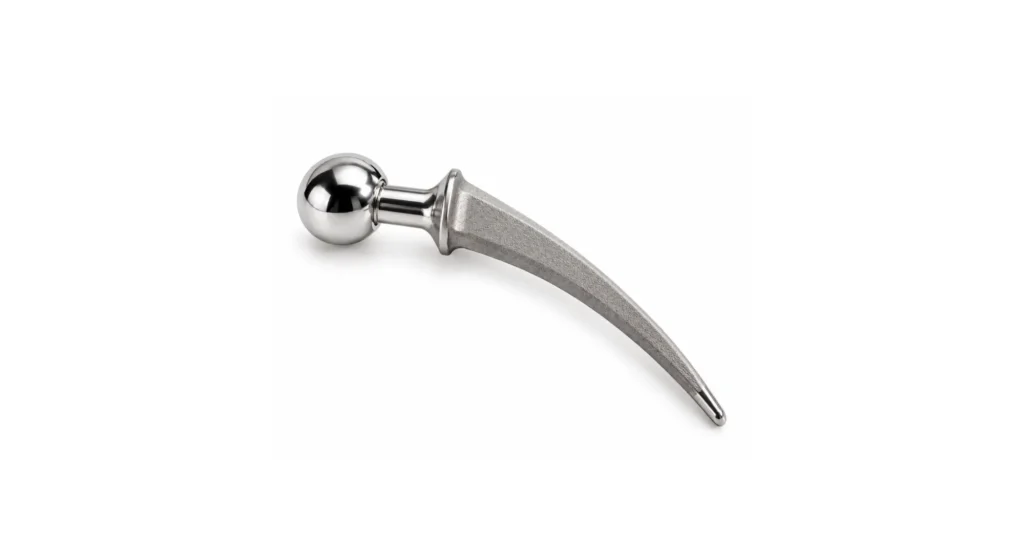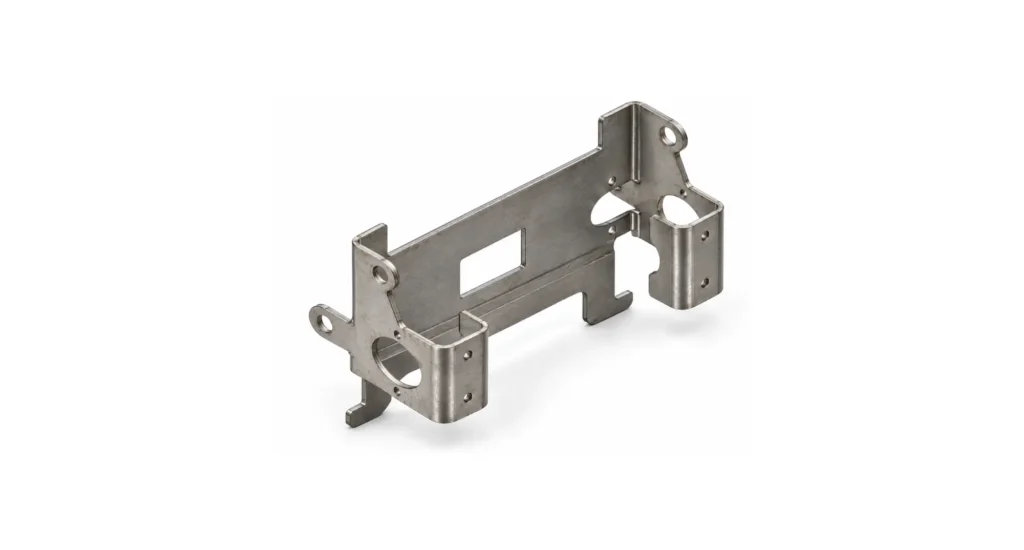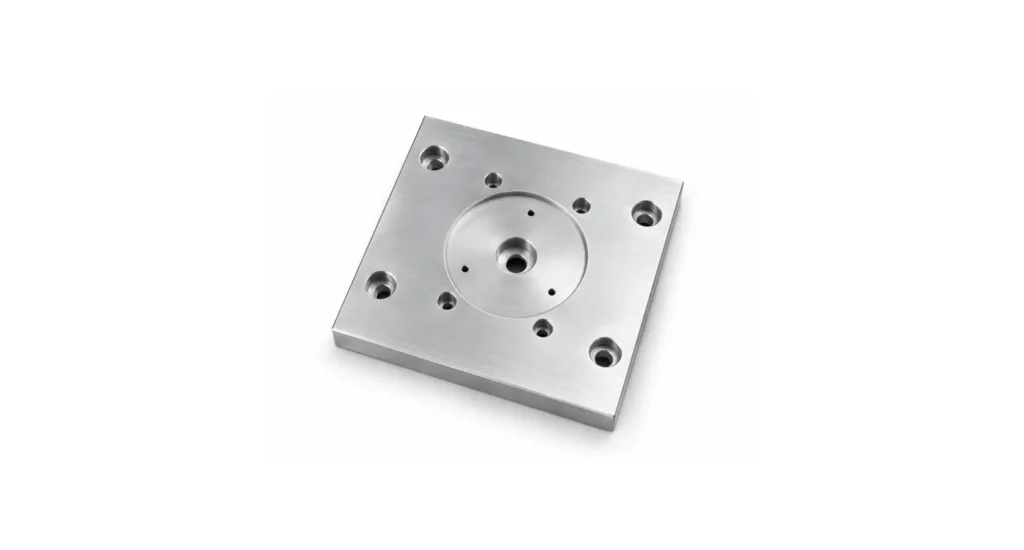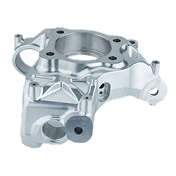
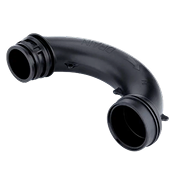
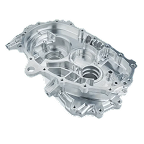
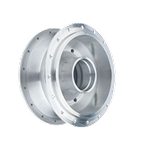
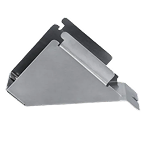
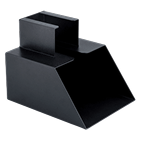
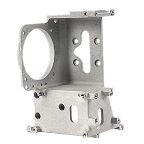
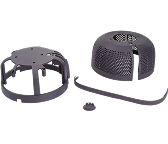
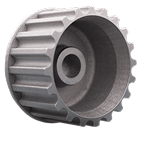

Automotive manufacturing demands extreme precision and repeatability, and offers very low tolerance for error. CNC machining meets these requirements, by translating digital designs into high-precision components with consistency. From internal combustion engines to electric vehicle battery housings, from suspension linkages to brake components, CNC machining ensures that every part meets the strict tolerances, material specifications, and performance standards that modern vehicles require.
For engineers, design teams, and supply chain managers, understanding where CNC fits – from prototyping to mass production – is key to making informed sourcing decisions, improving product quality, and reducing manufacturing risk.
Key takeaways
- CNC machining enables precise, repeatable production of automotive parts, reducing errors and ensuring safety-critical specifications are met.
- Up-to-date automotive CNC operations range from prismatic parts (or finishing actions) on 3-axis mills to complex surfacing tasks performed on 6-axis machining centers, depending on part complexity and geometry.
- CNC machining supports both internal combustion engine (ICE) and electric vehicle (EV) components, offering flexibility from prototype to production volumes and allowing reliable one-piece assessments to be directly translated to mass production expectations.
- Material versatility – from Aluminum alloys to Titanium, from machinable ceramics to high-performance plastics – allows CNC to serve structural, functional, and thermal-critical applications in a simplified and adaptive single-technology operation.
- Direct DFM feedback and supplier communication reduce production delays and help engineers optimize designs before first-article production.
- The value chain in automotive is tightly controlled and early assessments of essentially mass production parts allows high confidence in design outcomes, long before mass production commences
What is CNC machining, and why does it matter for automotive?
CNC (computer numerical control) machining is a subtractive manufacturing process where machine tools remove material from a workpiece to achieve a precise geometry. This is based on a combination of rotating cutters and traversing quill and workpiece (milling), and rotating part and fixed orientation cutters traversed during processing (lathe work). In modern CNC operations, the hard line between milling and lathe work has become very blurred.
In automotive manufacturing, this deterministic quality is critical. Every cylinder head, brake caliper, or EV battery housing must adhere to tight tolerances to ensure reliability and safety. Inter and intra batch part interchangeability is a core expectation in ongoing vehicle operations, making CNC a go-to choice for many operations, even at high volumes.
Modern automotive shops deploy a range of CNC machines depending on the part’s requirements. Simple components might be machined on 3-axis installations, while complex motor housings, cooling plates, and driveline components often require 5- or 6-axis machining centers. This versatility enables manufacturers to produce everything from high-volume, repetitive components to low-volume, high-precision prototypes with the same processes.
Key applications of CNC machining in automotive manufacturing
CNC machining is indispensable across the automotive production stack. Its precision, repeatability, and adaptability make it ideal for safety-critical, precision, cost-sensitive, and complex components.
Powertrain and engine components
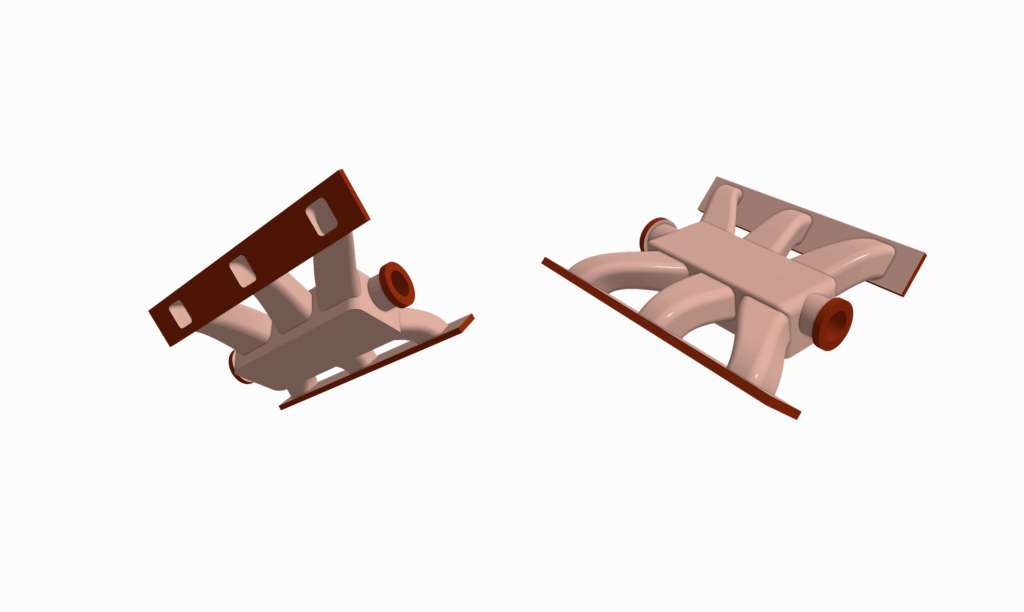
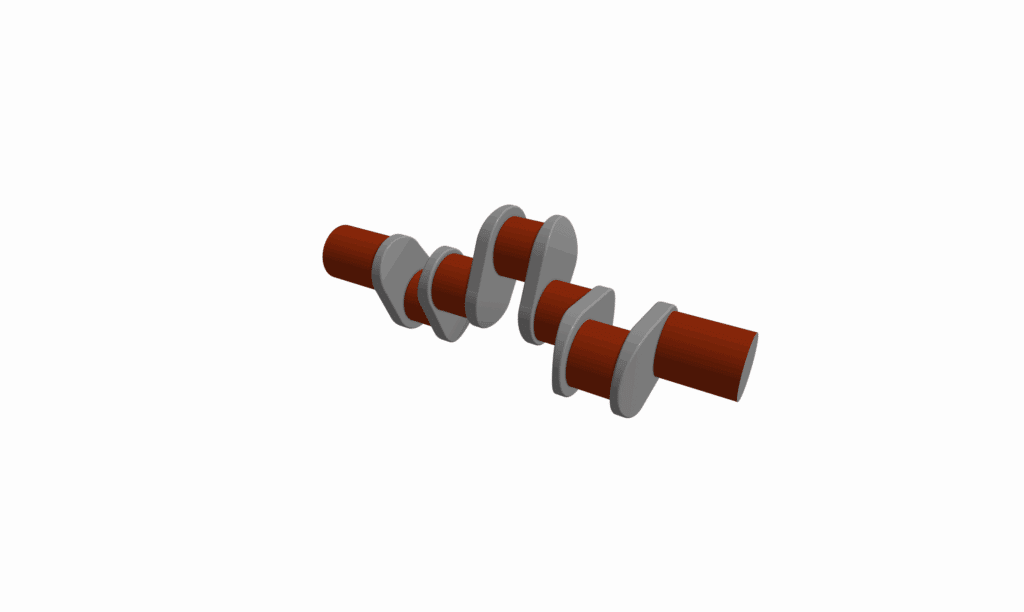
CNC machining ensures that cylinder heads, engine blocks, camshafts, and crankshafts meet tight tolerances – often ±0.005 mm for critical surfaces. Castings or forgings can produce near-net shapes, but precision completion by hybrid processing in CNC operations guarantees the final geometry needed for high-performance assemblies. Components like turbocharger housings and timing gears also require precise CNC operations to ensure alignment, concentricity, run-out, and appropriately smooth surface finishes.
Transmission and drivetrain parts
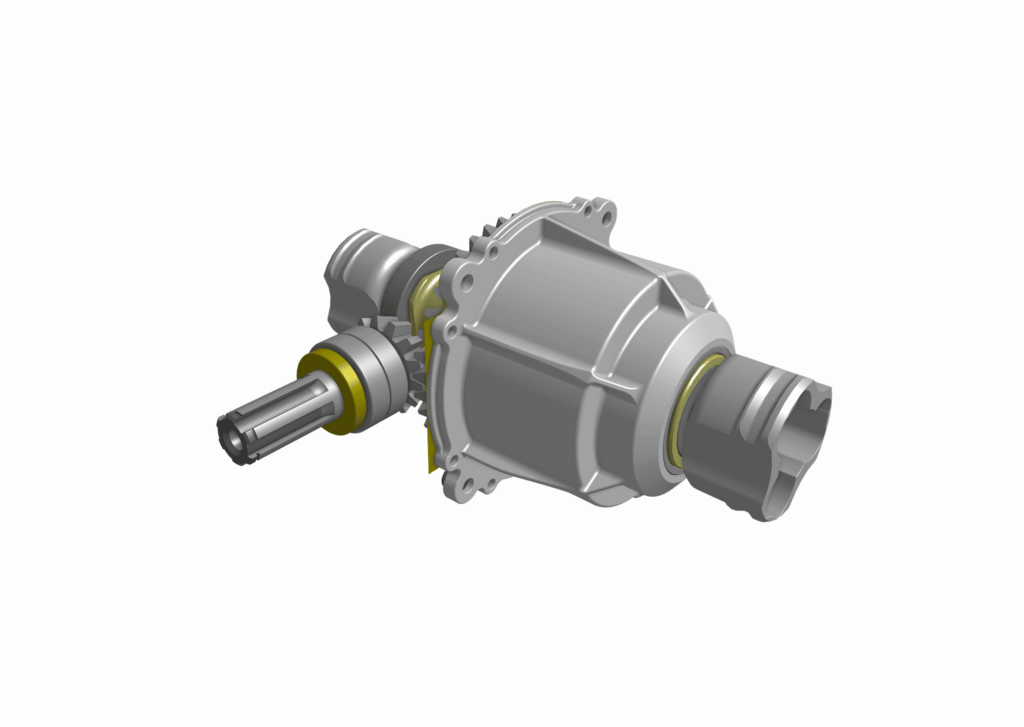
Transmission gears, differential housings, and drive shafts require tight concentricity and surface finish to reduce friction and prevent premature performance loss. CNC machining enables the production of these parts with fully controlled tolerances and repeatable quality across and between batches of thousands of units. Complex geometries, such as spline features or internal bore patterns, can be achieved efficiently with multi-axis CNC setups – and once setup costs are amortised, the cost-per-part fits the automotive supply chain expectations well.
Suspension and brake systems
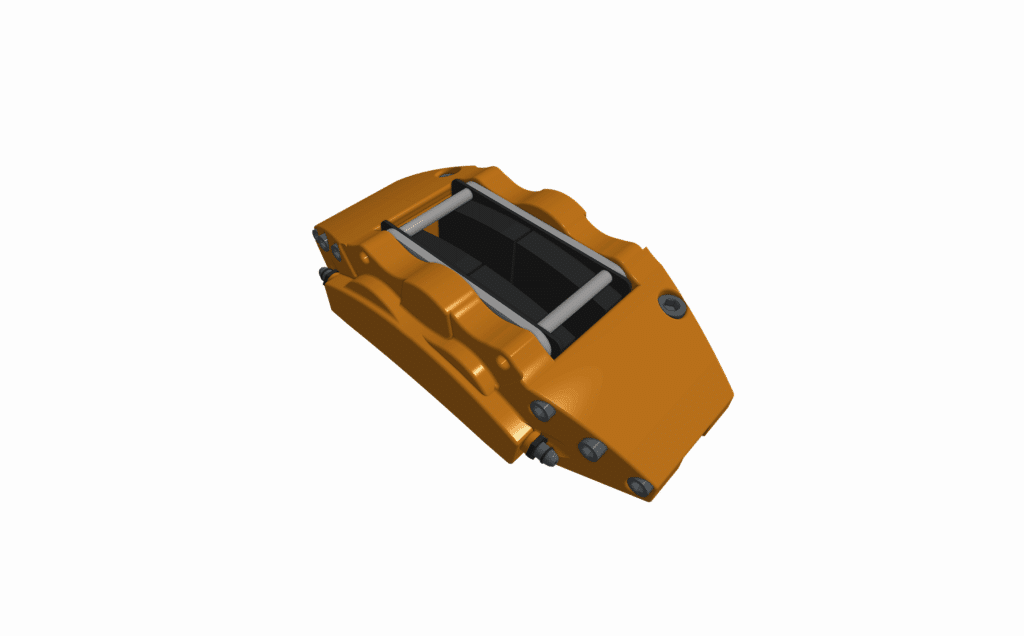
Brake calipers, suspension links, and control arms must maintain precise dimensions for operational fit and performance. CNC machining provides consistent outcomes across and batches, which is critical for safety performance, system reliability, and component interchangeability. Aluminum alloys like 6061-T6 are commonly used for weight reduction while maintaining structural integrity.
Electric vehicle components
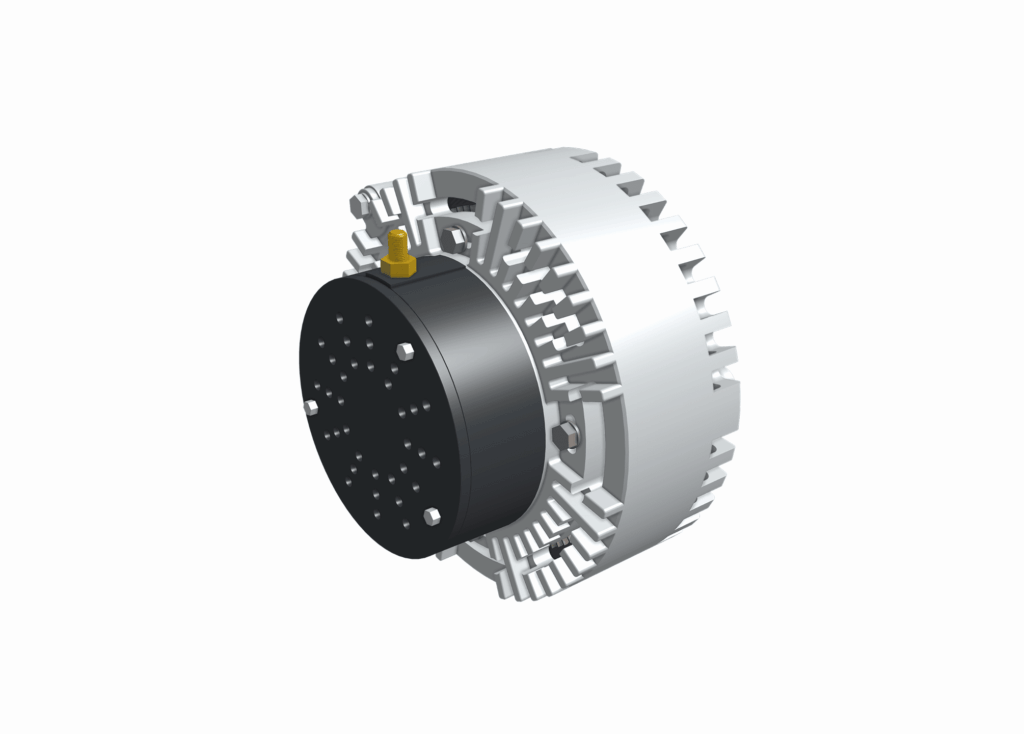
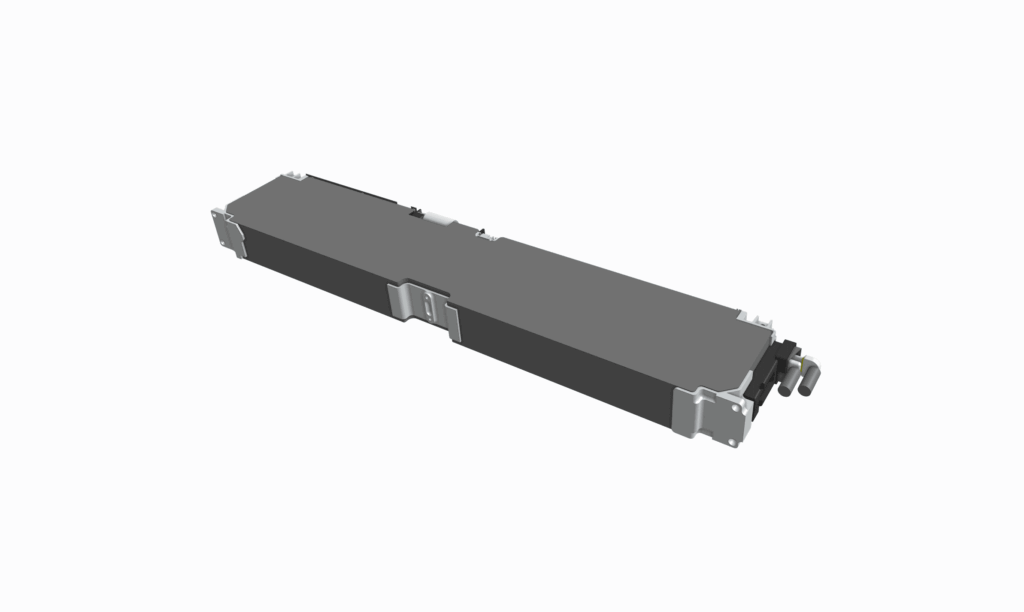
EV growth has introduced new CNC demands. Battery housings, cooling plates, and motor housings require tight flatness tolerances, precise internal channels, and bore concentricity. Aluminum dominates EV structural components, benefitting through weight savings and thermal management performance. High-strength alloys (7075, Ti-6Al-4V) are used in motors and high-performance drivetrain components. CNC machining ensures these components meet exacting tolerances while maintaining repeatable production.
Interior, exterior, and electronics
Many non-powertrain parts benefit from CNC precision. Structural brackets, sensor housings, infotainment system mounts, and chassis components require similar dimensional accuracy, to ensure easy and precise assembly. CNC machining allows engineers to maintain design intent across high-volume production and prototyping cycles.
| Component | CNC Machine Type | Typical Tolerance | Why CNC is Preferred |
|---|---|---|---|
| Cylinder heads | 5-axis mill | ±0.005 mm | Complex internal channels, critical sealing surfaces |
| Brake calipers | 3- or 5-axis mill | ±0.01 mm | Structural strength, consistent bore diameter |
| EV battery housings | 5-axis mill | ±0.005 mm | Flatness for thermal interface, complex channels |
| Camshafts / crankshafts | Turning centers | ±0.005 mm | Smooth surface finish |
| Sensor housings | 3-axis mill | ±0.01 mm | Thermal and mechanical accuracy |
| Transmission gears | Mill-turn | ±0.005 mm | Complex geometry, high-volume repeatability |
Materials used in automotive CNC machining
CNC machining supports a wide variety of both alloys and high-performance plastics. Material choice is often dictated by function, weight requirements, and environmental exposure.
Metals
Aluminum alloys (6061-T6, 7075) are widely used for structural brackets, housings, and EV battery enclosures due to their strength-to-weight ratio. Titanium alloys (Ti-6Al-4V) provide exceptional strength and corrosion resistance for drivetrain and high-performance EV components. Steels, including both basic and more exotic stainless steels and low-Carbon steel are used for shafts, gears, and brake components.
Plastics and composites
Engineering plastics such as PEEK and Ultem are used for thermal-critical components like under-hood sensor housings and insulating structures. Composites, including carbon-fiber-reinforced polymers, are often CNC-machined for lightweight structural components in EVs and performance vehicles.
| Material | Typical Application | Machinability Notes |
|---|---|---|
| 6061-T6 Aluminum | Brackets, housings | Excellent machinability, high strength-to-weight |
| 7075 Aluminum | EV components, motors | High strength, moderate machinability, requires sharp tooling |
| Ti-6Al-4V | High-performance shafts, motors | Harder to machine, requires low-feed, high-speed machining |
| Stainless Steel | Shafts, gears, fasteners | Good corrosion resistance, moderate machinability |
| PEEK | Sensor housings, thermal components | Thermal resistant, requires sharp tooling, low feed rates |
Benefits of CNC machining for automotive manufacturing
Precision and tight tolerances
CNC machining achieves tolerances as tight as ±0.005 mm, essential for brake calipers, engine components, and EV housings. Precision directly affects assembly fit, safety, and vehicle performance.
Repeatability at scale
High-volume automotive production requires that every part in a batch meets exact specifications that remain stable over potentially decade-long production runs. CNC machining ensures consistent quality from first article to full production to last article, reducing scrap rates and rework and maintaining type-compatibility for parts.
Speed and production efficiency
Modern CNC equipment can operate continuously, in lights-off Industry 4.0 operations, with automated tool changes and robotic load/unload, reducing cycle times and down-time. Multi-axis machines allow simultaneous operations, increasing throughput without compromising quality.
Material versatility
CNC machines can handle metals and plastics with widely varying mechanical properties, enabling extensive design freedom. Parts can transition from prototype to production without changing the base process, often without high effort switchover.
Compliance and quality standards
CNC machining supports rigorous documentation for ISO 9001, AS9100D, and internal automotive quality standards. Measurement reports (CMM, FAI) ensure traceability and regulatory compliance. In data-rich Industry 4.0 environments, CNC machines with integrated CMM and local-empowered edge computing AI and machine learning are fully adapted to forward looking process optimization and development.
CNC machining for automotive prototyping
Prototyping with CNC allows rapid iteration directly from CAD designs. Engineers can test fit, function, and assembly in days rather than weeks, using the same CNC program that will be applied for production. This continuity eliminates the need for costly secondary processes such as casting or injection molding for fully functional and field-testable prototypes.
Scalability: From prototype to mass production
CNC machining supports a smooth – even seamless – transition from one-off prototypes to full-scale production. Multi-axis machines and optimized toolpaths allow the same supplier to deliver consistent quality across all stages, minimizing process changeover risk and shortening time-to-market.
Design for Manufacturability (DFM) in automotive CNC
DFM is critical to controlling cost and cycle time. Poor design choices – excessively deep pockets, thin walls, inaccessible features – can drastically increase machining time and cost.
Tolerances and surface finish
Engineers should specify tight tolerances only where function or fitting processes demand it. Overly tight tolerances on non-critical surfaces increase cost without reaping any performance benefit.
Tool access and geometry
Design for multi-axis accessibility. Avoid blind pockets or features requiring non-standard or vibration/chatter risk tooling. Minimize thread variations and standardize hole sizes to simplify production by reducing tool changes.
Getting DFM feedback from your supplier
Direct communication with machinists helps catch impractical features before production. Jiga’s supplier network enables engineers to review designs and get actionable DFM feedback, reducing first-article failures.
CNC machining for Electric Vehicles (EV)
EVs introduce new precision demands:
- Battery housings require flatness tolerances to seat thermal interface materials correctly, with minimal thermal contact material.
- Cooling plates need precisely machined internal channels.
- Motor housings require bore and concentricity control to ensure rotor clearance.
Aluminum dominates for the weight savings that delivers range optimization, while Ti-6Al-4V may be used for high-performance drive components that are more strength than cost sensitive. EV production has increased CNC demand due to new component precision needs.
CNC machining costs for automotive parts
CNC costs are primarily driven by a matrix assessment of part complexity, material, tolerance, and machine axes. Setup fees, material handling, and tooling affect total cost. Multi-axis setups for high-precision components are more expensive than simpler 3-axis operations, but the efficiency and precision gains from reduced setup/handling and resultant reduced scrap often outweigh the added expense.
| Factor | Lower Cost | Higher Cost |
|---|---|---|
| Tolerance | ±0.1 mm | ±0.005 mm |
| Material | 6061 Aluminum | Titanium / Inconel |
| Volume | 100+ units | 1–5 units |
| Axes Required | 3-axis | 5- or 6-axis |
| Surface Finish | As-machined | High polish / anodized |
Choosing the right CNC machining supplier
Selecting a supplier involves more than price. Look for:
- Certifications and quality documentation: ISO 9001, AS9100D, CMM inspection reports.
- Tolerance and capability matching: Supplier’s machines and toolsets must handle your design requirements.
- Communication and DFM support: Engineers should discuss critical features and tolerances directly with the machinist before production begins.
Jiga’s network simplifies this process, enabling direct communication and consistent quality across suppliers.
The future of CNC machining in automotive
- Continued EV-driven growth increases demand for precision-machined components, more than compensating for reduced demand for ICE vehicle parts.
- Smart manufacturing and Industry 4.0 integration are automating multi-axis CNC operations and real-time quality controls, with dramatic impacts on cost and reliability
- Advanced machining enables next-gen vehicle architectures, including structural battery packs and integrated powertrains.
Summary
CNC machining provides automotive manufacturers with precision, repeatability, and flexibility that simply cannot be matched by the spectrum of competing processes. From engine and drivetrain components to EV battery housings and interior structures, CNC enables engineers to maintain exact tolerances, reduce risk, and scale from prototype to high-volume production. Effective DFM, material selection, and supplier communication are key to maximizing CNC benefits. Platforms like Jiga support this by connecting engineers directly with capable suppliers for fast, reliable production.