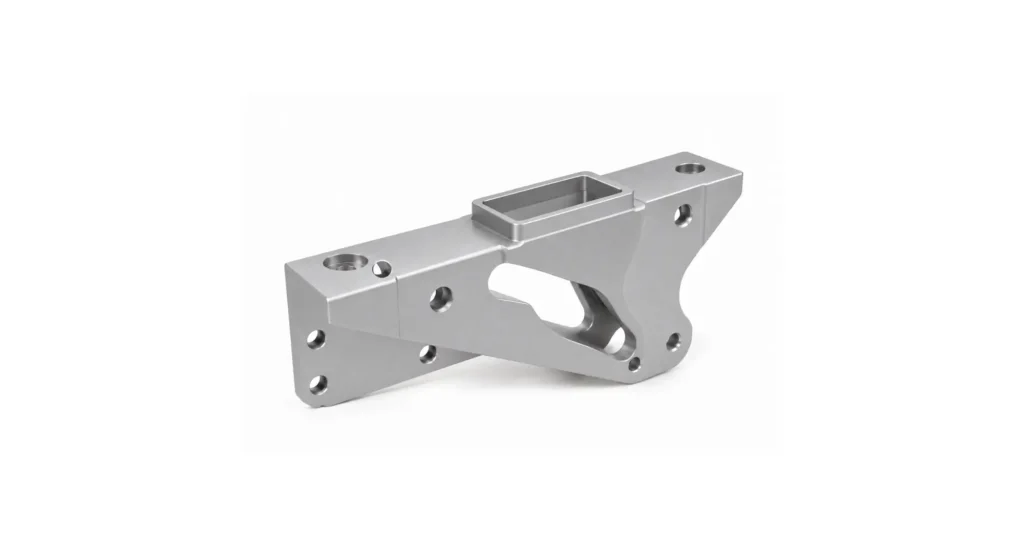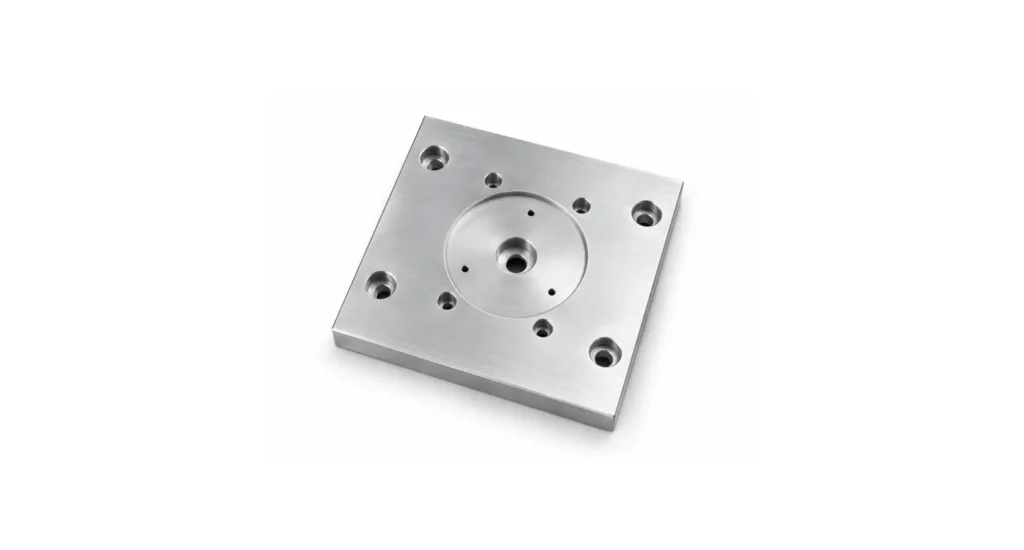

CNC grinding is a high-precision, computer-controlled subtractive manufacturing process in which a rotating abrasive wheel removes material from a workpiece to achieve extremely tight tolerances and exceptionally smooth surface finishes. Unlike CNC milling or turning – where sharp cutting tools shear material away – CNC grinding relies on thousands of microscopic abrasive grains that progressively wear down the surface of the workpiece.
This abrasive mechanism allows grinding to machine materials that have already been hardened through heat treatment, where conventional cutting tools would struggle due to tool wear or deflection. As a result, CNC grinding is typically used as the final stage of manufacturing, refining parts that have already been rough-shaped through milling, turning, or forging. This stage is often applied with the intention of refining surfaces that have suffered distortion as a result of heat treatment.
With tolerances commonly reaching ±0.001 to 0.005 mm and surface finishes in the sub-micron Ra range, CNC grinding is essential for parts that demand extreme dimensional accuracy, excellent roundness, and the highest standard of surface integrity. This guide explains how CNC grinding works, when engineers choose it over other machining processes, and how to source grinding specialists capable of achieving consistent high-precision results.
Key takeaways
- CNC grinding is a high-precision subtractive manufacturing process that uses a computer-controlled abrasive wheel to achieve tolerances as tight as ±1 micron and extremely smooth surface finishes.
- Unlike CNC milling and turning, grinding removes material through abrasive grains, making it ideal for hardened metals and difficult-to-machine materials.
- CNC grinding is typically the final stage of manufacturing, refining parts after rough shaping to meet exact dimensional requirements.
- The main types of grinders – surface, cylindrical, centerless, internal, and profile – are optimized for different part geometries and production volumes.
- Jiga connects engineers with vetted CNC grinding specialists who confirm process suitability and provide DFM feedback before manufacturing begins.
How does CNC Grinding work?

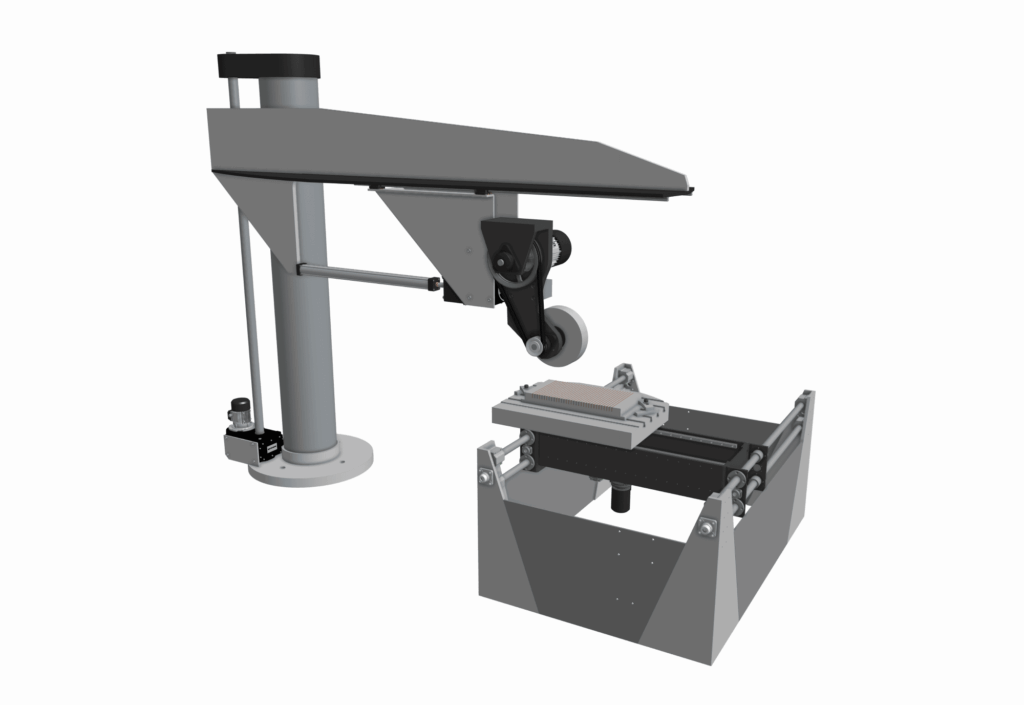
- Traverse grinding passes the workpiece and grinding wheel in linear passage in fast passes in the X axis, removing small depths and producing linear grooves or, more generally, wide area flat surfaces
A similar approach can plunge the grinding wheel into the depth of the workpiece AND traverse, producing a rectangular cavity with grinding wheel radiused ends. - Cylindrical grinding involves a chuck-mounted, rotating workpiece presented to the grinding wheel. It is used for making fine, precise cylindrical surfaces by traversing the wheel along the axis of the work.
Again, a workpiece-radial motion of the wheel will cut a groove, effectively making a plunge cut. - A non chuck-mounted workpiece rotated between a grinding wheel and a regulating wheel allows rapid production of precise cylindrical parts, with similar quality to cylindrical grinding but lower setup effort per-part.
- Internal grinding is much the same as cylindrical grinding, but employs a smaller grindstone with a cylindrical cavity.
- This approach can feed the part or grindstone along the hole axis, or move the stone radially to produce high quality internal grooves.
CNC grinding removes material by bringing a rotating abrasive wheel into controlled contact with a workpiece. The grinding wheel is composed of a multitude of bonded abrasive grains that act as microscopic cutting edges. The bonding can be by means of vitrified resinoid, rubber, or sintered metal. Each grain removes a very small amount of material, allowing the process to achieve extremely precise dimensional control.
The process typically begins after a component has been close-machined using CNC milling or turning. The part is then mounted securely on the grinding machine using an appropriate workholding method, such as a magnetic chuck, collet, or between-centers setup.
A CNC controller executes a program written in G-code that defines the wheel speed, feed rate, depth of cut, and tool path. The machine moves the grinding wheel across the part according to these instructions while removing extremely small amounts of material with each pass.
Grinding often concludes with spark-out passes, where the wheel continues to rotate without additional infeed. These passes allow elastic deformation in the machine and workpiece to stabilize, improving dimensional accuracy and surface finish.
Because grinding involves continuous friction between abrasive grains and metal, heat generation is a major concern. Excessive heat can cause surface burn, micro-cracking, or metallurgical damage. Modern grinding machines therefore rely on carefully designed coolant systems to manage temperature and flush away debris.
When engineers source grinding through platforms such as Jiga, grinding specialists typically confirm wheel specification, coolant strategy, and workholding configuration before production begins, ensuring that the process is optimized for the part design.
The role of the coolant system
In CNC grinding, coolant is essential rather than optional. Grinding generates significant heat at the point of contact between the abrasive grains and the workpiece. Coolant systems deliver high-volume fluid directly to this interface, reducing temperature, lubricating the contact zone, and removing metal particles that would otherwise damage the surface finish.
Workholding in CNC Grinding
Precise workholding is critical because even microscopic movement can affect dimensional accuracy. Surface grinders typically use magnetic chucks, while cylindrical grinding setups may support parts between centers or in precision chucks. Proper workholding ensures stable machining and repeatable positioning throughout the grinding cycle.
Key components of a CNC Grinding machine
CNC grinding machines combine mechanical precision with program driven, computer-controlled motion systems to produce highly accurate and repeatable results. Understanding the key components helps engineers evaluate grinding capability when selecting a supplier.

The Grinding wheel
The grinding wheel is the primary cutting tool in CNC grinding. It consists of abrasive grains bonded together in a circular form. Common abrasive materials include Aluminum oxide, Silicon carbide, cubic Boron nitride (CBN), and diamond. The grain size, bond type, and wheel hardness determine the aggressiveness of material removal and the achievable surface finish.

Grinding Wheel selection and dressing
Grinding performance depends heavily on selecting the most task-appropriate wheel specification. Engineers and grinding specialists consider abrasive type, grit size, bond material, and wheel hardness when configuring a grinding operation.
Wheels also require periodic dressing, which restores the cutting ability of the abrasive surface by removing worn grains and exposing fresh cutting edges. Proper dressing ensures consistent cutting performance and dimensional accuracy across production runs. This involves slight resizing of the wheel, which must be compensated in the machine setup.

The CNC controller
The CNC controller coordinates the machine’s movements according to programmed instructions in G-code. It regulates wheel speed, axis motion, feed rate, spark-out, and dwell time to achieve the required geometry. Advanced controllers can also integrate in-process measurement and compensation for automated dressing cycles.
The coolant system
Grinding coolant systems deliver large volumes of fluid directly to the grinding interface. This reduces heat buildup, improves lubrication, and removes cuttings and grit particles from the cutting zone. Effective coolant delivery is essential to prevent thermal damage and maintain consistent surface finishes.
The workholding device
Workholding systems stabilize the part during grinding operations. These may include magnetic chucks, collets, fixtures, or between-center setups. Stable workholding is especially important when grinding parts with high length-to-diameter (L:D) ratios, where vibration or deflection could compromise accuracy.
Common types of CNC Grinding machines
Diverse CNC grinding machines are designed for specific geometries and production requirements. Choosing the right grinder type ensures that the process delivers both accuracy and efficiency.
| Grinder Type | Primary Use Case | Typical Parts | Key Advantage |
|---|---|---|---|
| Surface Grinder | Flat surface finishing | Mould plates, tooling | Extremely flat surfaces |
| Cylindrical Grinder | External diameter finishing | Shafts, pins, axles | Tight roundness control |
| Centerless Grinder | High-volume cylindrical parts | Rods, dowels | No fixturing required |
| Internal Grinder | Precision bore finishing | Bushings, bearing races | Accurate inner diameters |
| Profile Grinder | Complex contour finishing | Turbine blades, molds | Complex geometry capability |
Surface grinding
Surface grinding produces extremely flat and parallel surfaces by passing a rotating wheel over a workpiece held on a magnetic chuck. It is widely used for finishing machine components, mold plates, and tooling surfaces.
Cylindrical grinding
Cylindrical grinding is designed for external cylindrical surfaces. The workpiece rotates while the grinding wheel moves along its length, enabling precise control over diameter, roundness, and concentricity.
Centerless grinding
Centerless grinding supports the workpiece between a grinding wheel and a regulating wheel rather than clamping it in a fixture. This arrangement allows extremely high production rates and is commonly used for manufacturing dowel pins, rods, and small shafts.
Internal grinding
Internal grinding finishes the inside diameters of components such as bearing races, bushings, and hydraulic cylinders. The grinding wheel rotates inside the bore while the part remains fixed or rotates slowly.
Profile grinding
Profile grinding enables the production of complex shapes and contours. 4, 5 and more axes of CNC control allows the grinding wheel to follow intricate paths, making the process suitable for turbine blade profiles, cutting tools, and mold inserts. Surfaces must be piece-wise continuous within the limits of the strep radius.
Materials commonly processed with CNC grinding
CNC grinding is especially valuable for materials that are difficult (or impossible) to machine with conventional edged-cutting tools. Because grinding removes material through abrasion rather than a single cutting edge, it can finish hardened or brittle materials with high precision.
Hardened steels
Hardened steels are among the most common materials processed through grinding. Tool steels, bearing steels, and carburized components are typically ground after heat treatment to achieve precise geometry and surface finish.
Superalloys and Aerospace metals
High-performance alloys such as Inconel and Titanium alloys are widely used in aerospace applications. Grinding allows these materials to be finished with reliable precision, despite their high strength and heat resistance.
Carbides and machinable ceramics
Extremely hard materials such as tungsten carbide and engineering ceramics are typically finished using diamond or CBN grinding wheels. Applications include cutting tools, wear-resistant components, and industrial tooling.
Medical alloys
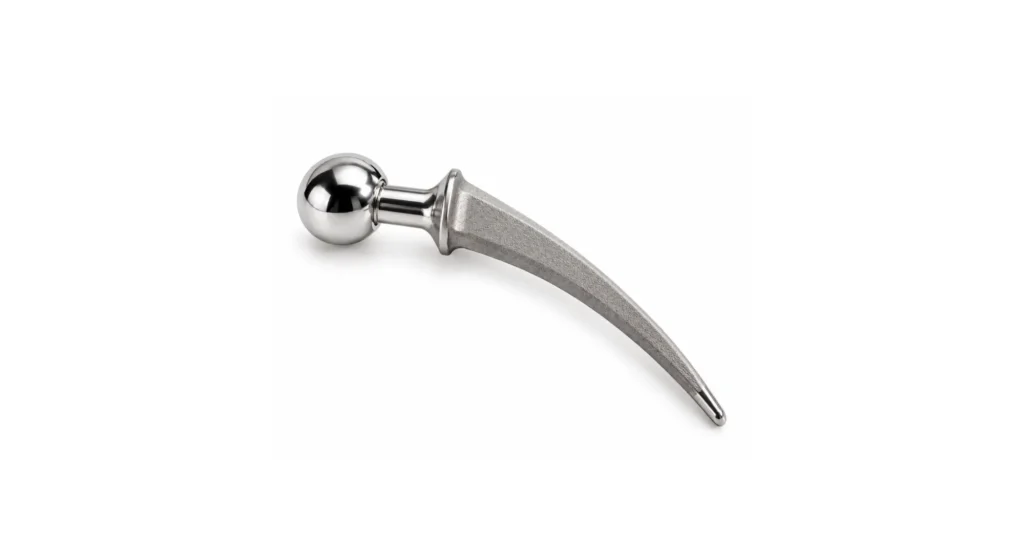
Medical components made from Cobalt-Chromium alloys, stainless steel, and Titanium alloys require excellent surface finishes and tight tolerances. CNC grinding is frequently used to finish orthopedic implants and surgical instruments.
CNC grinding tolerances and surface finish
CNC grinding is used when parts require dimensional precision that lies outside the capability of conventional machining approaches.
Typical grinding performance values include:
| Feature | Typical Value |
|---|---|
| Dimensional tolerance | ±0.001–0.005 mm |
| Roundness | <1 μm |
| Flatness | <2 μm |
| Surface finish | 0.025–0.8 μm Ra |
By comparison, CNC milling generally achieves tolerances around ±0.025 mm, while CNC turning may reach ±0.013 mm. Grinding therefore becomes essential when components require extremely precise fits or ultra-smooth surfaces.
Advantages of CNC grinding
Micron-level precision
Grinding removes material in microscopic increments, allowing dimensional control measured in microns. This precision is essential for high-performance mechanical interfaces.
Superior surface finish
The abrasive action of grinding produces very smooth surfaces, making it ideal for sealing surfaces, bearing contacts, and other precision components.
The ability to machine hardened materials
Grinding can finish hardened steels and superalloys that are difficult or impossible to machine with traditional cutting tools.
Consistency across production runs
Once appropriately configured and when optimally maintained, CNC grinding machines can produce extremely repeatable results across large production batches. This maintains the precise fits and part-interchangeability that is key to reliable operation and maintenance of high precision and high stress equipment and components across most sectors.
Industry applications of CNC grinding
CNC grinding plays a critical role in industries where precision and reliability are operational essentials, delivering both performance and durability in long term operations.
Aerospace
Grinding is used to finish turbine blade roots, landing gear shafts, and bearing components that must perform impeccably under extreme loads and temperatures.
Automotive
Key automotive components such as camshafts, crankshafts, and transmission shafts are commonly finished through grinding to achieve the required dimensional accuracy. The types of plain bearings used in ICE applications require high cylindricity, smooth surface finish and extreme durability.
Medical devices
Orthopedic implants, surgical instruments, and dental components require smooth surfaces and tight tolerances that only grinding can reliably and cost-effectively produce.
Tooling and Die making
Grinding is essential in tooling manufacture, where punches, dies, and mold components require precise geometry and surface finish, typically reflected in the surface finish of parts made by these tools.
CNC Grinding vs other machining processes
CNC grinding complements other machining processes rather than replacing them. There is limited overlap/interchangeability with other processes, making hybrid processing use of grinding the norm.
| Factor | CNC Grinding | CNC Milling | CNC Turning |
|---|---|---|---|
| Material removal | Abrasive grains | Cutting tool | Cutting tool |
| Typical tolerance | ±0.001–0.005 mm | ±0.025 mm | ±0.013 mm |
| Surface finish | 0.025–0.8 μm Ra | 0.8–3.2 μm | 0.4–1.6 μm |
| Best for | Precision finishing | Complex features | Cylindrical parts |
Grinding is therefore most commonly used after milling or turning, bringing parts to their final dimensions.
Design for manufacturability in CNC grinding
Design choices strongly influence grinding cost and lead time. It is simple to specify the need for ground solutions, in many cases, simply by defining flatness, cylindrical precision, Ra value or other tolerance needs that cannot otherwise be met.
Only apply tight tolerances where they are design-imperative
Specifying micron-level tolerances across an entire component can significantly increase machining time. In most cases, such precision is required in limited areas – with potentially significant cost savings resulting.
Design for stable workholding
Parts should include surfaces suitable for secure clamping or fixturing. Various fixturing methods, from magnetic and vacuum holders, to precision collet chucks and even basic machine vices and T-slot clamps.
Avoid interrupted surfaces
Interrupted grinding surfaces can cause wheel chatter and reduce surface finish quality. Where the wheel stays in largely unmodulated and continuous contact with the workpiece, precision will typically be higher. This can often be achieved by the direction of traverse.
Specify material and heat treatment clearly
Grinding behavior depends heavily on hardness and microstructure, making accurate material specifications essential. Selection of the correct grit type, grade, and bonding system influences machining outcomes. Coolant type and supply must also be tuned to the material being processed.
How to choose the right CNC grinding supplier
Grinding supplier selection requires more specialization than general CNC machining.
A shop capable of milling and turning may not have the equipment or expertise required for high-precision grinding. Grinding specialists typically operate dedicated machines, advanced wheel technologies, and precision measurement systems that are beyond the reach of more generalized service providers.
Engineers evaluating suppliers should look for capabilities such as:
- CNC grinding machines rather than manual grinders.
- Advanced wheel technologies such as CBN or diamond.
- In-process gauging, dressing, and precision measurement equipment.
- Inspection systems including CMMs and surface profilometers.
Direct communication between engineers and suppliers also plays a critical role in successful grinding projects. Platforms such as Jiga allow engineers to confirm process parameters with vetted suppliers before manufacturing begins.
Summary
CNC grinding is one of the most precise machining processes available, capable of producing extremely tight tolerances and mirror-like surface finishes on both intrinsically hard and hardened materials. Because of this capability, it is typically used as the final stage of hybrid manufacturing processes, refining parts after milling, wirecut, or turning operations.
For engineers designing high-precision components, understanding CNC grinding helps ensure that tolerances are specified correctly and that the most appropriate manufacturing partners are selected.
Jiga connects engineers with vetted grinding specialists as one group of specializations in a broad, knowledgeable and highly capable CNC machining network that includes milling, turning, wire EDM, honing, and laser etching. This integrated approach allows their clients teams to source complex multi-process parts through a single platform while maintaining full visibility into supplier capabilities and quality documentation.