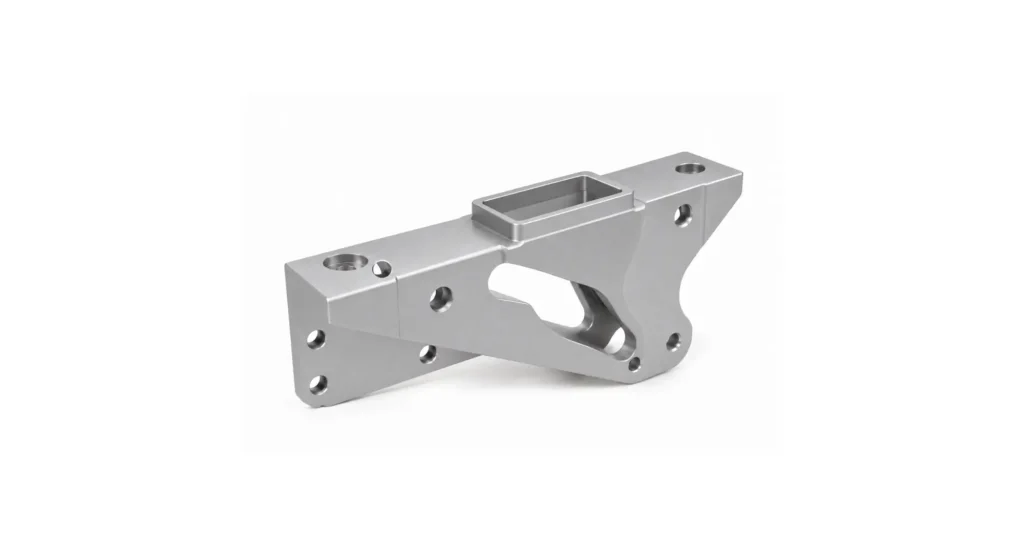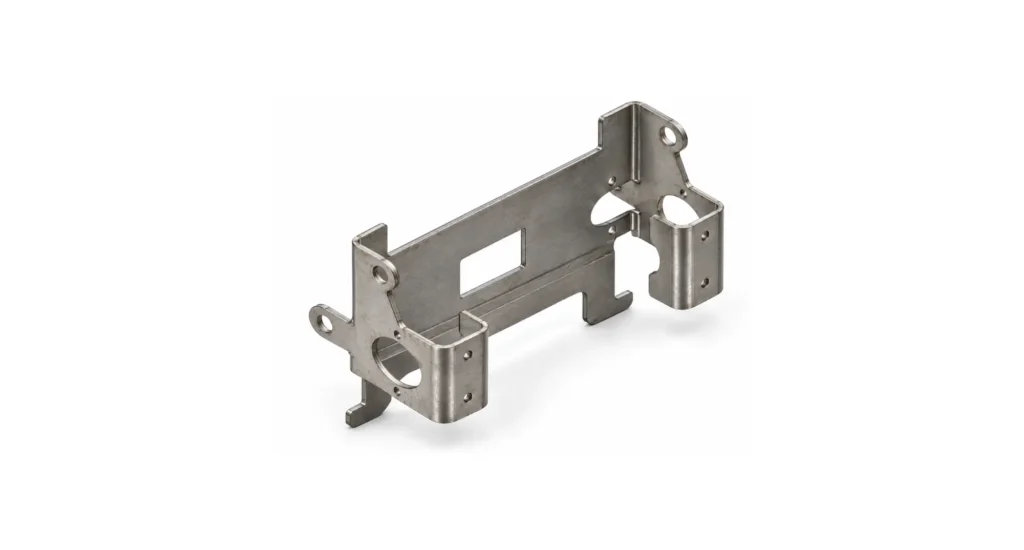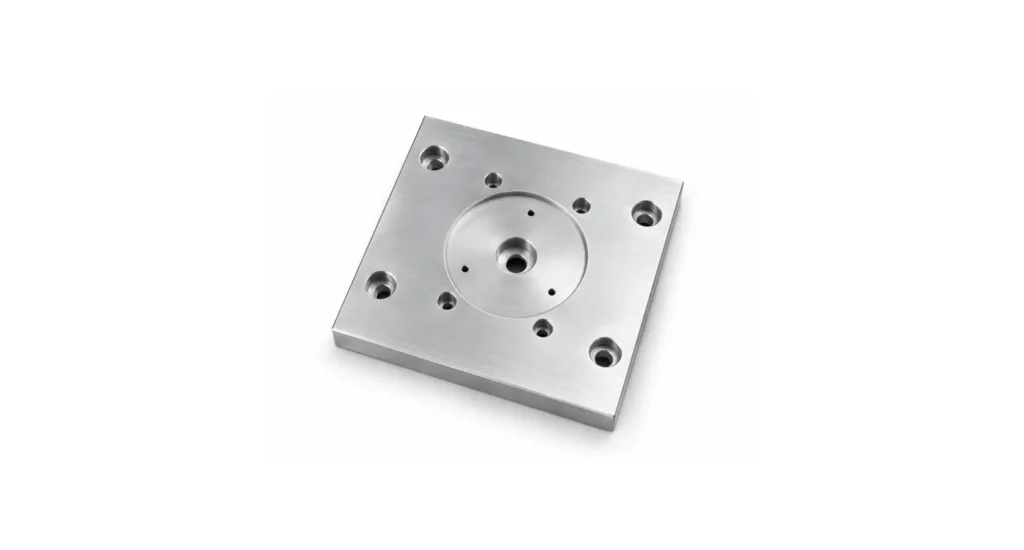
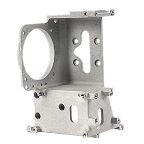

CNC machining is a fundamental tool in the medical industry, where precision, repeatability, and material integrity directly influence patient safety and clinical outcomes – and cost considerations typically take a second place to patient-related functionality. From orthopedic implants and surgical instruments, from diagnostic equipment to micro-scale components, medical CNC machining enables the reliable, repeatable manufacture of parts with micron-level tolerances and inter and intra batch quality standards.
Unlike most product manufacturing sectors, medical device production operates under the strictest of regulatory frameworks, demanding validated processes, traceable materials, and documented quality control. CNC machining remains one of the few manufacturing methods capable of meeting these requirements across both prototyping and scaled production.

Key takeaways
- CNC machining produces medical components with micron-level accuracy and highly controlled, repeatable tolerances critical for implants, instruments, and diagnostic equipment.
- Common medical-grade materials include titanium (Ti-6Al-4V), stainless steel (316L), cobalt-chrome alloys, and PEEK – all well suited to CNC machining.
- Key applications include orthopedic implants, surgical instruments, diagnostic equipment housings, micro-components, and dental restorations.
- Advanced processes such as 5-axis machining, Swiss machining, and wire EDM enable complex geometries and high-precision outcomes.
- CNC repeatability and precision supports FDA and ISO 13485 compliance by ensuring consistent part quality across and between production runs.
- Challenges include higher costs for complex geometries and more exotic alloys, material waste when extractive-machining expensive alloys, and the need for specialized skills, knowledge, and equipment.
What is medical CNC machining?
Medical CNC machining is a spectrum of computer-controlled subtractive manufacturing processes used to produce components for medical devices and equipment. Material is removed from metal or polymer stock using precision cutting tools, following programmed toolpaths to achieve highly accurate geometries. In a medical context, CNC machining must meet significantly higher standards than general industrial machining, both in dimensional control and in process governance.
Medical CNC machining supports the entire device lifecycle. During early development, it enables rapidly delivered prototypes using production-intent materials, allowing functional and mechanical validation during design and prior to regulatory submission. In later stages, the same CNC processes are used to manufacture production parts with validated, repeatable outcomes. Unlike molding or casting, CNC machining does not rely on fixed tooling, making it well suited for low-to-medium volumes, design iteration, and patient-specific or customized components.
The overarching characteristics of medical CNC machining are tight tolerances, proven material performance, rigorous inspection, and full traceability – attributes that align closely with medical device regulatory requirements.
The place of five axis CNC machines in the medical sector
Five-axis CNC machines have transformed manufacturing in the medical sector by enabling the precise and efficient production of complex, high-tolerance components. Medical devices, surgical instruments, orthopedic implants, and prosthetic components often feature intricate geometries that would be difficult or impossible to machine using traditional three-axis systems. Five-axis machines allow simultaneous movement along multiple axes, reducing setups, improving surface finish, and maintaining tight dimensional tolerances critical for biocompatibility and patient safety.
These machines also support high-volume and low-volume production alike, accommodating both standardized implants and patient-specific, custom devices derived from medical imaging data. By minimizing manual handling and fixturing, five-axis CNC machining enhances repeatability, reduces human error, and accelerates time-to-market. Additionally, it allows manufacturers to implement advanced toolpaths, optimize material usage, and achieve complex contours with superior precision, making it indispensable in modern medical manufacturing environments.
Medical applications of CNC machining


Orthopedic implants and patient-specific devices
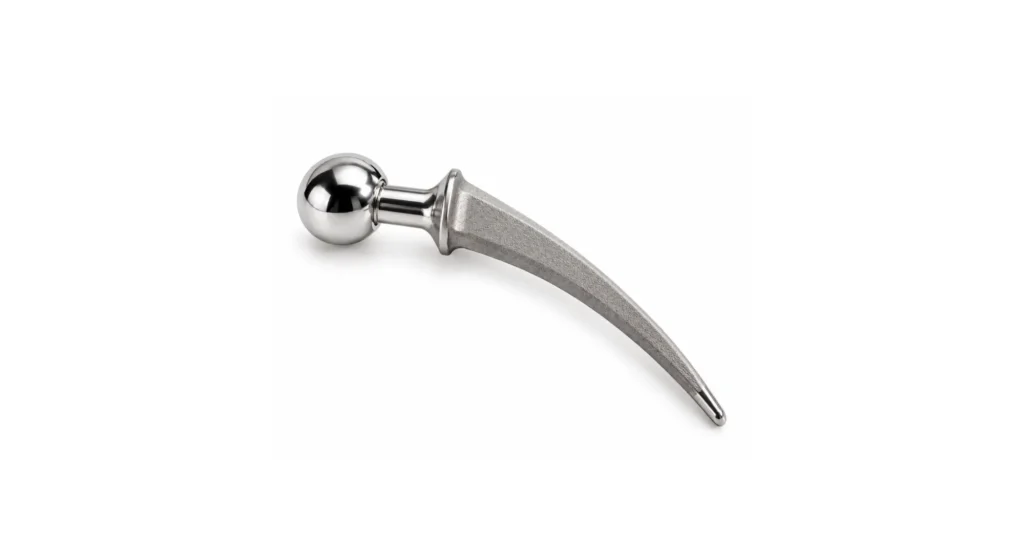
CNC machining is widely applied across joint replacement implants, fixation devices, spinal components, and trauma implants. Materials such as Ti-6Al-4V and Cobalt-Chrome are machined into complex load-bearing geometries with exacting surface finish requirements. CNC also supports patient-specific implants based on CT or MRI data, where each part is unique but must meet the same mechanical and biocompatibility standards.
Surgical instruments and minimally invasive tools
Scalpels, forceps, clamps, endoscopic tools, and robotic surgery components rely on CNC machining for precision, durability, and repeatable performance. Features such as hinge interfaces, serrations, and locking mechanisms demand tight tolerances and smooth surface finishes to ensure reliable operation and sterilizability.
Diagnostic and imaging equipment components
CNC machining produces structural frames, sensor mounts, shielding components, and alignment fixtures used in imaging systems (MRI, CT, ultrasound) and diagnostic devices. These parts often require tight positional accuracy and stable geometry under thermal and electromagnetic influences.
Micro-machining for miniaturized medical devices
As devices become smaller and less invasive, micro-machining has become essential. CNC machining can produce micro-features such as fluid channels, slots, and threads used in drug-delivery systems, catheter components, and implantable electronics housings.
Dental components and restorations
Dental implants, abutments, crowns, and orthodontic components are frequently CNC machined from titanium or ceramic-compatible blanks. CNC enables high repeatability, aesthetic surface quality, and customization for individual patients.
Jiga is ideally positioned to assist in all stages of medical component CNC production – from concept/specification through to mass production. Clients benefit from a broad and capable stable of suppliers ready to serve, and the close-coupled support from their specialist in-house team.
Benefits of CNC machining for medical devices
Precision and consistency for patient safety
Precision and consistency in CNC machining are critical factors in effective solution delivery and patient safety in medical manufacturing. Components such as surgical instruments, orthopedic implants, and device housings often require tolerances of ±0.01 mm or tighter to ensure proper fit, alignment, and function. CNC machining provides repeatable, computer-controlled accuracy across batches, minimizing dimensional variation and assembly risk. Equally important is process control—validated programs, documented tool life management, and material traceability ensure every part meets regulatory and clinical requirements. In high-stakes medical environments, consistent machining directly supports reliability, sterility, and long-term device performance.
Material versatility for biocompatibility
Biocompatibility is the ability of a material to perform its intended function in the body without causing adverse reactions such as toxicity, inflammation, plaque buildup, or an adverse immune response. In medical applications, materials must not only meet mechanical and chemical requirements but also demonstrate compatibility with surrounding tissues and bodily fluids.
Common biocompatible materials include stainless steel (316L), Titanium alloys like Ti-6Al-4V, Cobalt-Chrome, PEEK, and certain other medical-grade polymers. These materials undergo thorough testing under standards such as ISO 10993 to evaluate cytotoxicity, sensitization, and long-term implantation effects, ensuring patient safety in implants, surgical tools, and disposable medical devices.
Titanium alloys are particularly valued in medical applications for their excellent biocompatibility. They resist corrosion in bodily fluids, do not elicit adverse immune responses, and promote osseointegration with bone tissue. Their high strength-to-weight ratio allows lightweight, durable implants, while fatigue resistance ensures long-term reliability. Commonly used in orthopedic implants, dental fixtures, and surgical instruments, Titanium alloys combine mechanical performance with biological compatibility, making them ideal for patient-safe, long-lasting medical components.
Rapid prototyping and fast iteration
Rapid prototyping and fast iteration have critical roles in medical product development, where high standards of performance, safety, and regulatory requirements converge. Early-stage prototypes, often produced via CNC machining, SLA 3D printing, or at times through soft tooling, allow engineering teams to validate fit, ergonomics, mechanical function, material appropriateness, and clinician usability before committing to production tooling.
Iterative builds help uncover issues that derive from tolerance stack-ups, sterilization impacts, and assembly challenges that may not be detectable in CAD and simulations. In regulated environments, structured iteration also supports formal verification and validation activities (V+V), reducing both patient and commercial risk before clinical trials or regulatory submissions. By shortening feedback cycles between design, testing, and refinement, rapid prototyping accelerates time to market while preserving patient safety, enabling medical devices to evolve confidently from concept through controlled production ramp-up.
Customization without fixed tooling
CNC machining enables customization in medical manufacturing without the need for dedicated tooling such as molds or dies. Because parts are produced directly from digital CAD models, design modifications can be implemented rapidly through CAD and CAM data updates rather than costly and slow tool changes.
This flexibility is particularly valuable for patient-specific implants, surgical guides, and custom instrumentation. Engineers can adjust dimensions, geometries, or features to match anatomical data from CT or MRI scans while maintaining tight tolerances and surface finish requirements. The result is faster iteration, reduced development risk, and scalable customization without prohibitive upfront investment.
Micron-level tolerances and functional fit
Orthopedic implants must align precisely with patient anatomy, often derived from medical imaging data. Surgical instruments must engage reliably with fasteners or tissues. Diagnostic systems depend on precise alignment of optical or sensing components. CNC machining routinely achieves tolerances in the ±5 – 10 µm range, and in controlled processes, even tighter for critical features.
Importantly, it is not just about hitting a dimension once, it is imperative to hit it every time. CNC machining delivers predictable outcomes across production runs and batches, ensuring that assemblies behave consistently.
Consistency for regulated environments
Regulatory compliance requires evidence that every manufactured component conforms to specification. CNC machining’s controlled processes, stable tooling, and in-process inspection support statistical consistency, making it possible to validate production and demonstrate ongoing conformity under FDA and ISO 13485 and other oversight mechanisms.
Challenges and limitations
Higher costs for complex geometries
Higher costs resulting from complex geometries are a common challenge in CNC-based medical manufacturing. Intricate features, deep cavities, tight internal radii, and multi-axis surfaces increase machining time, equipment complexity, tool wear, toolpath development, and setup complexity. Five-axis machining or specialized tooling may be required as a result, adding programming and equipment costs.
In regulated medical environments, additional inspection and validation steps further elevate expenses. While CNC enables precision and customization, highly complex designs can significantly impact cycle time and overall part cost. Best-practice in DFMA (design for manufacture and assembly) terms remains paramount.
Material waste from subtractive machining
CNC machining removes material rather than forming it, leading to the appearance of higher scrap rates than more net-shape processes such as casting or additive manufacture. Waste is particularly costly when working with Titanium or Cobalt-Chrome alloys – however, since CNC swarf is typically of the highest grade and well sorted, the recycling process is relatively simple and the value of the scrap is high – offsetting the apparent wastage.
Skilled operators and quality control requirements
Operator skill is especially critical in CNC medical manufacturing, where precision, documentary records, and regulatory compliance are paramount. Medical components often require micron-level tolerances, complex geometries, and immaculate surface finishes suitable for implantation or sterile use. Skilled CNC operators must understand advanced toolpath strategies, material behavior in biocompatible alloys like Titanium and high grade stainless steels, and the importance of tool life management to prevent dimensional drift.
Equally important is adherence to validated processes, traceability requirements, and quality documentation standards such as ISO 13485. In this environment, operators are not just machinists, they are quality guardians ensuring every part meets strict clinical and regulatory expectations.
Schedule drivers in medical component CNC manufacture
Schedule drivers in medical CNC component manufacturing differ between prototype and mass production phases, but both can challenge critical timelines.
For prototypes, design complexity, tight tolerances, and material availability often dictate longer lead times. Iterative testing, design validation, and adjustments to accommodate biocompatibility or functional requirements can further extend schedules.
In mass production, cycle time optimization, tool change frequency, and machine uptime become the dominant drivers. High-volume setups benefit from palletization, multi-axis machining, and automated material handling to reduce per-part time. Regulatory inspections, quality control checks, and traceability documentation also influence overall production schedules. Efficient coordination between design, machining, post-processing, and QA ensures prototypes transition smoothly into scalable production, maintaining both delivery speed and compliance with medical standards.
Cost drivers in medical CNC components
The cost of CNC-machined medical components is influenced by multiple factors spanning material, process, and regulatory requirements. Material selection is a primary driver: biocompatible metals like Titanium, Cobalt-Chrome, and stainless steel 316L are expensive and require careful handling to avoid contamination, increasing raw material costs. Complex geometry and tight tolerances add machining time, require specialized tooling, and increase scrap risk and waste-material value, directly impacting labor and overhead costs.
Surface finish requirements also affect cost – polishing, electropolishing, and passivation are often mandatory for implants and surgical instruments, adding additional processing steps. Batch size and production volume influence per-part cost: low-volume or custom patient-specific parts reduce economies of scale, raising unit costs.
Regulatory compliance, including traceability, documentation, and adherence to standards such as ISO 13485 or FDA 21 CFR Part 11, adds administrative and quality assurance costs. Additional factors like fixturing complexity, multi-axis setups, and post-processing inspections further contribute. Overall, balancing precision, material, and regulatory demands is key to managing cost while maintaining safety and functionality in medical CNC components.
Key CNC technologies for medical manufacturing
5-axis machining
5-axis machining offers significant advantages in high-grade medical manufacturing by enabling complex geometries to be produced in a single setup. This improves positional accuracy, reduces tolerance stack-ups, and enhances surface finish – all of which are critical for both implants and surgical instruments. Fewer setups mean faster production, reduced risk of handling damage, and better repeatability, all while meeting tight dimensional and regulatory requirements in clinical applications.
Swiss machining
Swiss machining plays a critical role in some aspects of medical product manufacturing for its ability to produce small, high-precision components with exceptional consistency. Originally developed for watchmaking, Swiss-type lathes excel at machining long, slender parts such as bone screws, pins, shafts, and catheter components. These can be held to very tight tolerances and superior surface finish standards.
The guide bushing supports material close to the cutting tool, minimizing deflection and enabling micron-level accuracy. With bar feeders and automated operation, Swiss machining also supports high-volume production while maintaining the same strict dimensional control and repeatability, essential for regulated medical applications which directly impact patient safety.
Wire EDM
Wire EDM is essential in various aspects of medical manufacturing for producing the most intricate geometries and ultra-precise features that conventional machining simply cannot achieve. It excels in hard materials commonly used in implants and surgical instruments, and in processing pre-hardened tool steels, obviating the residual stress/distortion of post-machining heat-treatment. This makes it ideal for components and features requiring tight tolerances and fine internal corners. Wire EDM delivers exceptional accuracy and surface integrity, supporting strict medical quality standards.
Medical-grade materials for CNC machining

Titanium and titanium alloys
Ti-6Al-4V is the most widely used implant material due to its strength-to-weight ratio, corrosion resistance, and biocompatibility. CNC machining produces implants with tightly controlled surface finishes and excellent dimensional accuracy. Titanium offers great benefits in bone-implants, as the oxide layer accelerates and improves osseointegration.
Stainless steel (316L)
316L stainless steel is commonly used for surgical instruments and temporary implants. It offers good corrosion resistance, machinability, and compatibility with sterilization processes.
Cobalt-chrome alloys
Cobalt-chrome is used for high-wear, load-bearing implants such as joint replacements. It is harder to machine but provides excellent fatigue strength and wear resistance, reducing the need for follow-on surgeries for maintenance and replacement.
PEEK and medical grade plastics
PEEK is a high-performance polymer used for radiolucent implants and devices requiring chemical and thermal stability. CNC machining allows precise control over geometry and surface finish.
Regulatory considerations: FDA and ISO 13485
In CNC-based medical manufacturing, regulatory compliance is as critical as the precision of the machining. In the United States, the FDA regulates medical devices under 21 CFR Part 820 (Quality System Regulation), requiring documented processes, traceability, and validated controls. Internationally, ISO 13485 provides the framework for quality management systems specific to medical devices, covering risk management, process validation, and continuous improvement.
For CNC manufacturers producing implants, surgical instruments, or critical components, adherence to these standards ensures consistent quality, regulatory approval, and, most importantly, patient safety through controlled, auditable production processes.
Repeatability for compliance
In medical CNC manufacturing, repeatability is not just a quality metric, it is a core compliance requirement. Regulatory standards demand that validated processes consistently produce parts within specified tolerances across entire (and between) production runs. Any unexplained variation can trigger corrective actions, documentation reviews, or even regulatory scrutiny. Demonstrated process repeatability supports traceability, audit readiness, and long-term device reliability.
Documentation and traceability
Medical CNC suppliers must provide material certifications, inspection reports, and process documentation. Traceability from raw material to finished part is essential for audits and regulatory submissions.
Design considerations for medical CNC parts
Specifying tolerances appropriately
Specifying tolerances for CNC medical manufacturing requires the balancing of functional performance with manufacturability and compliance. Critical features, such as bearing fits, sealing surfaces, and implant interfaces, may require micron-level tolerances to ensure proper mechanical function and patient safety.
However, applying tight tolerances to non-critical features can severely increase machining time, inspection burden, and cost – for no benefit. Engineers should define clear datums, identify critical-to-quality (CTQ) dimensions, and align tolerances with real clinical requirements.
Collaboration with manufacturing teams is the best route to confirm that specified tolerances are sufficient, achievable and repeatable under validated processes, ensuring regulatory compliance without over-constraining the design.
Designing for inspection and validation
Medical parts must be inspectable and designed for ease of manufacture. Designers should consider probe access, datum definition, and inspection methods during design to simplify validation.
Finding a medical CNC machining supplier
Most jobbing CNC suppliers are simply not equipped for certified and regulated medical product work. Key selection criteria include:
- Quality systems: ISO 13485 certification or equivalent medical quality management.
- Material expertise: Proven experience machining titanium, cobalt-chrome, and medical polymers with full traceability.
- Documentation capability: Ability to provide inspection reports, material certs, and process records.
- Communication: Direct access to engineering teams to discuss tolerances, finishes, and compliance requirements.
Finding qualified suppliers can be challenging. Jiga connects engineers with vetted CNC machining suppliers experienced in medical manufacturing. Direct communication enables detailed discussion of quality requirements, inspection protocols, and documentation – critical for regulated medical device production. This compares favorably with ‘agent’ type supply chains, where the client deals with a sourcing-agent type of organization, never dealing direct with the hands-on-task.
Summary
CNC machining is cornerstone in medical device manufacturing, delivering precision, repeatability, and material flexibility that no other processes can match affordably. From implants and surgical tools to diagnostics and dental components, CNC supports both innovation and compliance. Success depends not just on machine capability, but on supplier expertise, validated processes, and rigorous quality systems. Selecting the right CNC partner is therefore as critical as the design itself.