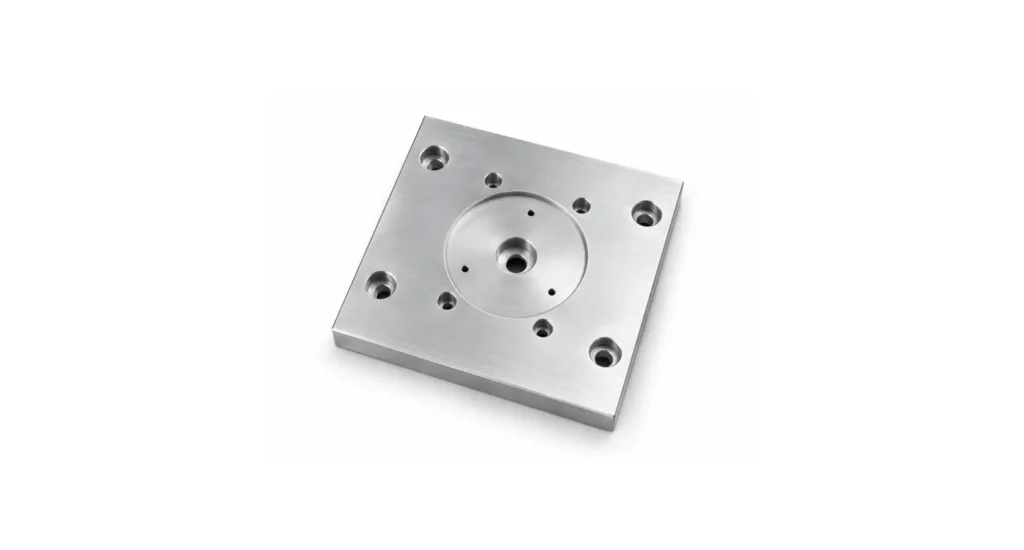
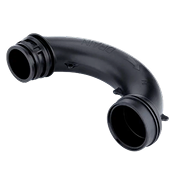
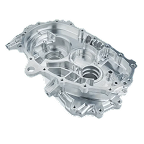
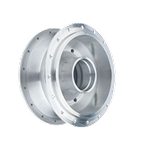
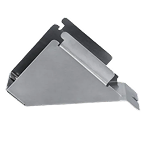
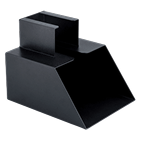
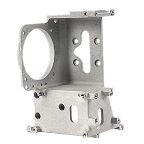
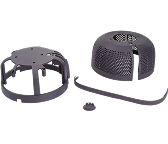
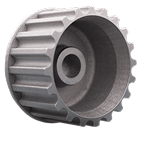
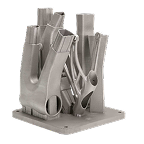
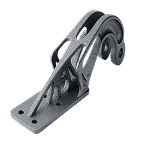
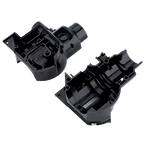
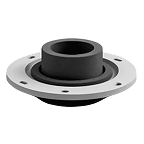

A lot of engineers and designers use Protolabs for their fast turnarounds, good pricing, and wide range of available services. It is a digital manufacturing platform with a network of roughly 250 suppliers across the globe, which it uses to cut down on pricing and turnaround time for your projects. Protolabs runs some work in-house and sends the rest to third-party shops, prioritizing turnaround time for prototypes and low-volume production runs.
If you’re looking for a better experience than what you can expect from Protolabs, you’re in luck. This guide will review 8 of the best Protolabs alternatives and competitors, including some options that are very practical for long-term projects.
Closer look at Protolabs

Pros:
- Impressive turnaround times
- Offers AI-powered DFM feedback
- Incredible option for small production runs and prototyping
Cons:
- Poor performance with long-term projects or mass production
- Not a lot of customization in quoting
- Potential for quality issues since work is handled across hundreds of suppliers
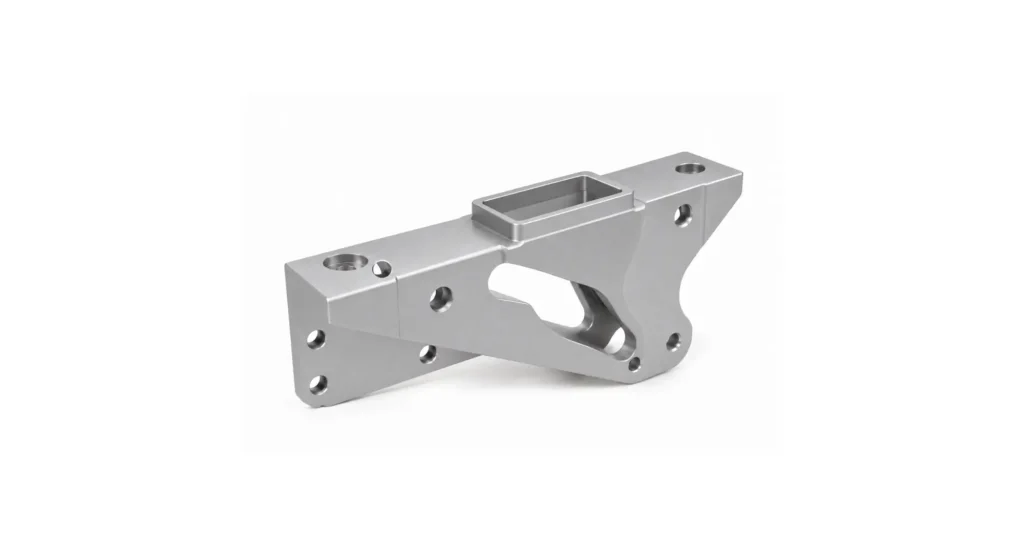
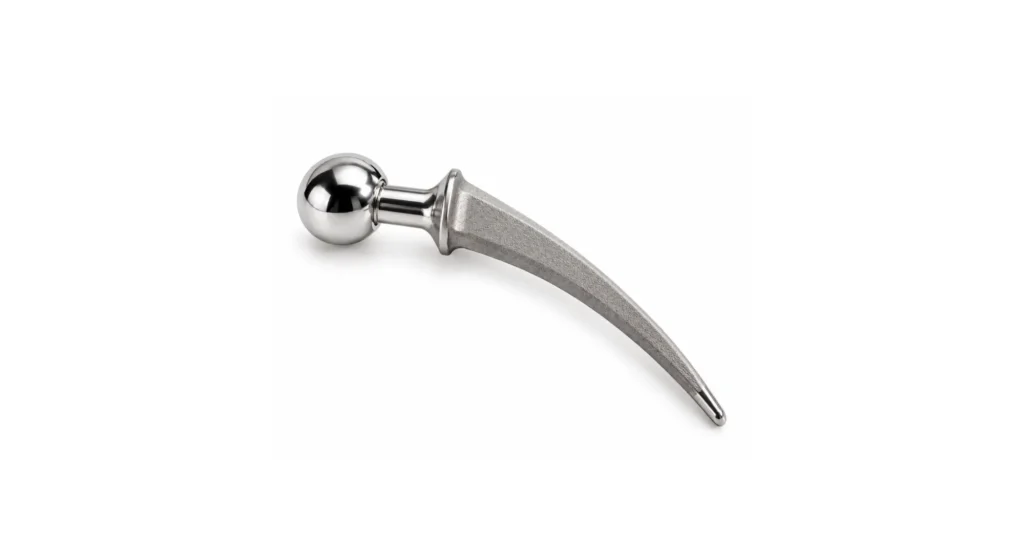
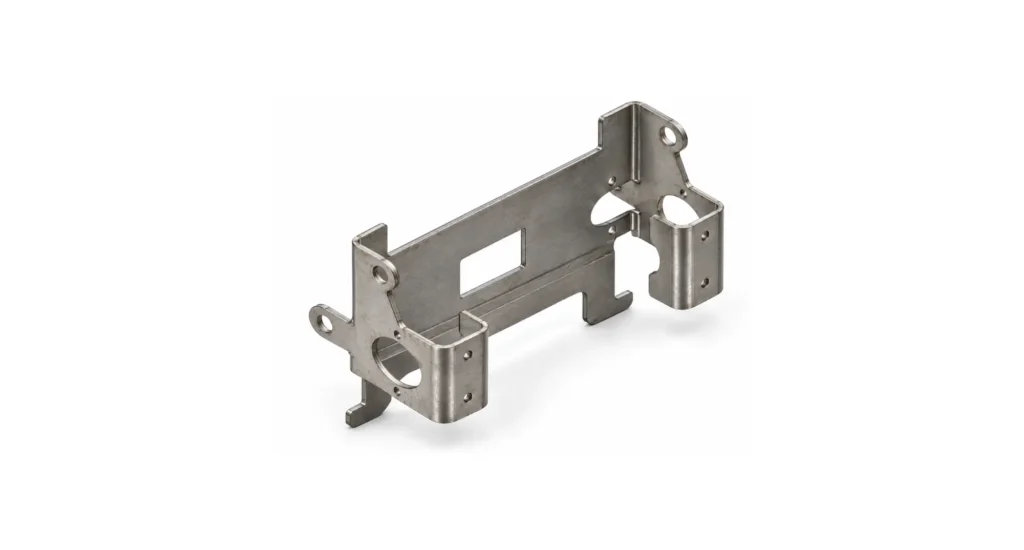
Protolabs does machining in-house, and they also use a large network of suppliers to handle all of the additional projects that they receive. With Protolabs, you can upload a 3D model of your part and some key criteria, and they’ll automatically generate a quote for you. They can handle CNC machining, injection molding, silicon molding, 3D printing (including DMLS), and sheet metal fabrication, with a number of finishing options to choose from.
Protolabs uses what’s called a “black box” approach to their manufacturing. Simply put, you upload a model and place an order, then they send you a part when it’s done. There is no transparency into the supplier or what’s happening, and the whole quoting process is very automated, which has its pros and cons. For this reason, it’s difficult to use Protolabs for larger orders or ongoing support, since they might use a different supplier every time you place an order.
8 Best Protolabs Alternatives and Competitors
1. Jiga
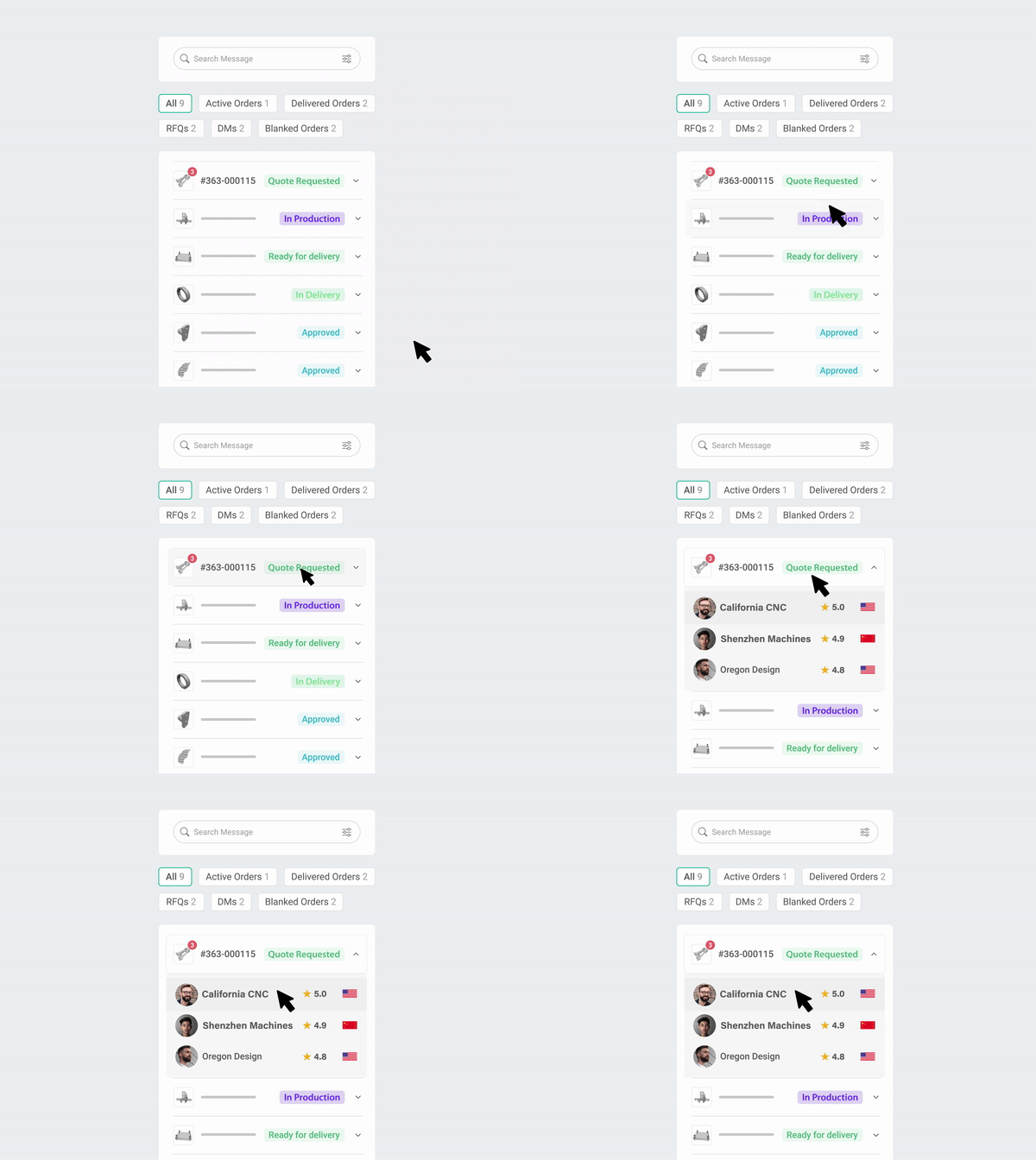
Jiga is your custom manufacturing arm: a qualified network of AS9100, ISO 9001, and ITAR-registered suppliers across the US and allied countries, run as your in-house resource. You get full access to the supplier for DFM feedback and specifications, plus one supplier of record who owns the outcome. Unlike Protolabs’, Jiga’s service model connects you with qualified suppliers you talk to directly and can rely on for years, with a senior account manager you know by name. Jiga handles complex assemblies and multiple processes (CNC, sheet metal, injection molding, and additive) in a single build, from prototype through full-rate production.
That direct line matters most on production runs: in the American Society for Quality‘s 2025 Cost of Quality research, only 31% of respondents said they fully understand how quality costs affect their organization’s financial performance, so knowing who makes your parts and holding them to FAI, CoCs, and lot traceability protects your schedule and your budget.
Pros:
- Unparalleled access to suppliers for DFM feedback, project specifications, and questions
- Little risk of poor quality or reliability, due to the quality of the partner network
- Real, qualified suppliers deliver transparent quotes in as little as 24 hours
- Insight into vendor’s past performance and customer-provided ratings
- Fewer supplier-related headaches through better quality and reliability
Cons:
- Fewer suppliers to choose from
- Jiga doesn’t aim to be the fastest service

2. Xometry

If you’ve heard of Protolabs, you’ve undoubtedly heard of Xometry. They have over 40 times more suppliers in their network, which allows them to offer a wider range of services, more affordable pricing, faster turnarounds, and a relatively better experience overall.
The one major downside of having such a massive partner network is that lapses in quality over time can be expected. Some users complain about receiving low-quality work, or projects arriving late with no explanation. Xometry is usually fast to resolve these issues and complaints, but it’s worth recognizing that you might deal with some delays and issues the more you use Xometry.
As a whole, Xometry can be described as “fast and flexible”. It is a great resource for prototyping, because of the diversity of their partner network, and it might be a better version of Protolabs in a lot of ways.
Pros:
- A wide range of services to choose from
- Better pricing, fast turnarounds
- Easy to start a new project
Cons:
- Supplier information and communication are not available
- No direct line to the supplier, and added mediation can complicate projects
- Can experience issues with quality

If you are also evaluating other platforms in the same space, make sure to review the best Xometry alternatives to see how different services compare on pricing, lead times, and capabilities.
Detailed Jiga vs Xometry comparison breaks down the key differences in pricing, transparency, and long-term partnership fit.
3. Fictiv

Fictiv is a well-known digital manufacturing platform with a large partner network.
Generally speaking, it offers a bit more consistency and quality than Protolabs does, but it can also cost more per part. This is because Fictiv has additional quality control processes to make sure that manufactured parts meet the specs of your drawings, which adds cost and turnaround time to each part.
They offer a wide range of services, just like Protolabs does. It also has a partner network that is roughly the same size, and both companies are good for prototyping and low-volume production.
To put it broadly, you would choose Fictiv over Protolabs if you want better consistency and quality and you’re willing to pay extra for it. Fictiv puts emphasis on its digital features and customer support, such as a digital mold library and automated DFM tools, but this can come at a cost.
Pros:
- Great quality and consistency across projects
- Wide range of services offered by an impressive partner network
- Customer support can be reached easily, and they resolve issues quickly
Cons:
- Typically costs more than Protolabs or Xometry
- No direct line to the supplier, and added mediation can complicate projects
- Turnaround times tend to be slower

4. SendCutSend

If you’re only dealing with sheet metal builds, SendCutSend (SCS) is a great alternative. At this moment, they only offer sheet metal fabrication, CNC routing, and bending services and they don’t seem interested in expanding into stock metals or plastics.
SCS is a great option for 2D sheet metal parts that need to be fabricated quickly and affordably. They do the manufacturing in-house, so they can offer lower pricing and faster turnarounds since they’re not relying on third-party suppliers. As a result, SendCutSend tends to prioritize smaller and simpler projects, and they only deal with sheet metal projects.
When your project calls for CNC machining or turning, SCS stops being a viable option.
Pros:
- Good at fast-turn 2D sheet metal parts
- Very affordable with fast turnarounds
- Their quality is generally good
Cons:
- Can run into some quality issues if they have a big backlog and are rushing through projects
- Very limited services
- Does not accept multi-process projects

5. RapidDirect

When you’re shopping for higher-volume projects, you might consider RapidDirect. They are a China-based manufacturer that offers CNC machining, injection molding, 3D printing, die casting, and sheet metal fabrication, but they focus on large order quantities.
Since they are a Chinese manufacturer, their pricing is generally very good. The downside is that there are potential language barriers and shipping to the US can be delayed a lot by customs. However, their ability to handle high-volume orders with ease can help you overlook some of these issues.
In addition, RapidDirect can fall short when it comes to smaller orders, quick prototyping, or fast turnaround projects. With a lack of long-term contracts, it can be hard to rely on RapidDirect for continuous project support.
Pros:
- Good option for high-volume production in China
- Pricing is affordable in bulk, but pricey in small volumes
- Wide range of services to choose from
Cons:
- Potential issues with language barrier
- Slow shipping times to the US
- Often ineffective to use for prototyping or small production runs

6. Fathom

Fathom is another name that floats around when you talk about Protolabs. Fathom is also a US-based digital manufacturer, but they tend to focus on precision and medium-scale production.
Since they prioritize quality and precision, their pricing is more expensive (but you get what you pay for, often). They also offer a wide range of services and finishing options.
From past experience, Fathom tends to prioritize in-house manufacturing, but they send projects to their supplier list as needed.
If your projects aren’t complex and they don’t require tight tolerancing, you might stick with Protolabs and not swap to Fathom to save money.
Pros:
- Great product quality and internal quality control processes
- A digital manufacturer that prioritizes precision
- Wide range of services and ability to speak with the manufacturer directly
Cons:
- More expensive than most options on this list
- Not ideal for simple, fast-turnaround parts
- Can run into longer lead times as their queue fills up

7. OSH Cut

OSH Cut is a direct rival to SendCutSend, another competitor we discussed in this list. They have many of the same benefits and drawbacks, but OSH Cut can handle thicker materials and even structural metals.
This is another manufacturer that only handles sheet metal fabrication and assembly, so you wouldn’t use them for projects that require CNC machining or 3D printing.
Since OSH Cut is also a specialized manufacturer, their sheet metal pricing is more competitive and can offer faster turnarounds.
They only do in-house manufacturing, so some people complain about seasonal slowdowns as their backlog grows but, generally speaking, OSH Cut offers impressive turnarounds. It’s hard to beat the incredible speed that Protolabs offers, but OSH Cut gets close.
Their site offers fast quotes and added price transparency so you can see where the numbers are coming from.
Pros:
- Great option for sheet metal
- Can handle thicker material gauges
- Good pricing and fast turnarounds
Cons:
- Does not offer stock metal or plastic fabrication
- Not many finishing options to choose from
- Potential delays due to strictly in-house manufacturing

8. Zetwerk

Zetwerk can be thought of as the Asian-based Xometry with a few key differences. Their business models are very similar, they offer similar services, and their partner network is equally massive, but Zetwerk prioritizes high-volume orders or repeat orders. They also stray away from automated quoting and provide a personalized quote for each project.
They are a convenient option that tends to do more than Protolabs can offer. One major drawback has to do with their region of focus: since their suppliers are focused on Asian markets, you’ll have to deal with language barriers and slower shipping times.
Another issue is that projects can run into quality issues and oversights, especially with larger or ongoing projects. For that reason, some engineers may stray away from choosing Zetwerk as a long-term manufacturing partner.
The pricing is roughly on par with Protolabs for smaller orders, but it is certainly less expensive per unit as you get into higher volumes.
Pros:
- Huge network of suppliers that can handle a lot of work
- Wide range of capabilities that scale to meet your needs
- Impressive quality control processes and certifications
Cons:
- Potential for quality lapses and project oversights
- Can be major delays due to shipping from Asia
- Low-volume pricing is not great

Conclusion
These 8 alternatives split along clear lines: some specialize in sheet metal, others in high-volume offshore production, precision work, or raw speed. Every option carries its own tradeoffs. If you are moving past one-off prototypes and need transparency, consistent quality, and quoting that fits production rather than a rigid automated form, Jiga is built for that.
Jiga pairs collaborative tools with a qualified network of suppliers you talk to directly and one point of accountability that owns delivery. The quoting process is not the fastest, but you get parts on time and on spec, with the customization and direct communication Protolabs’ black box does not offer.
Your manufacturing needs might vary from project to project, so keep this list handy so you can come back and see what option is right for each specific project.
Frequently Asked Questions
Who are the leading digital CNC machining providers?
Xometry and Protolabs lead on network size and instant quoting for CNC machining, while Fictiv and Fathom lead on quality control and precision work. For production-grade CNC programs that need a named point of contact and ITAR traceability, Jiga is built specifically for that case.
What is the best rapid CNC machining service?
Protolabs is typically fastest for simple, quick-turn CNC jobs it can run in-house. Xometry is close behind and covers a wider range of part sizes and tolerances through its larger network. Neither is optimized for ongoing production relationships, which is where Jiga’s supplier-of-record model fits instead.
Why does Protolabs get expensive at higher volumes?
Protolabs is priced for speed on prototypes and low-volume runs; its automated model optimizes turnaround, not per-unit cost on repeat production. As volumes climb, pricing that looked competitive on a first article gets hard to hold. Alternatives built around a consistent qualified supplier and negotiated production pricing (Jiga, Fictiv, Fathom) tend to scale better when the same part runs lot after lot.
What are the best alternatives to Protolabs for production-grade custom parts?
For production-grade custom parts rather than one-off prototypes, Jiga, Fictiv, and Fathom are the strongest alternatives to Protolabs: all three prioritize consistency and quality control over instant automated quoting. Jiga is the only one of the three built around direct supplier communication and a dedicated account manager for the full production run.
Which Protolabs alternative is best for ITAR or defense manufacturing?
For ITAR-controlled or defense work, Jiga is built for the case Protolabs’ automated model is not. Jiga runs a qualified network of AS9100, ISO 9001, and ITAR-registered shops across the US and allied countries, with FAI, CoCs, material certs, and lot traceability handled as a system and full audit rights kept with you. Demand for this domestic capacity is climbing: 244,000 US manufacturing jobs were announced through reshoring and foreign direct investment in 2024, 88% of them in high or medium-high-tech sectors, according to the Reshoring Initiative.
The US aerospace and defense industry generated over $995 billion in total business activity in 2024, with 54% of its 914,000 direct workers in defense and national security, per the Aerospace Industries Association. Jiga supports programs for teams including NASA, Collins Aerospace, and Zipline, each with a named account owner.