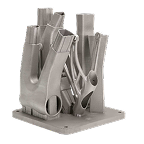
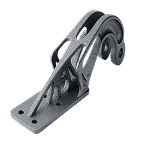
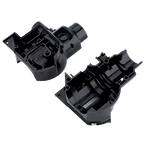
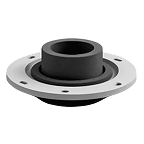

The prototyping of injection moldings is best understood as a staged learning process rather than a single validation step before tooling. While 3D printing is effective for validating basic geometry and assembly, many functional, cosmetic, and user-facing design questions cannot be answered without parts that behave more like molded plastics. In this space, vacuum casting plays a critical role, providing production-like aesthetics, reasonable mechanical realism, and rapid iteration without the cost and inertia of tooling.
Rather than jumping prematurely into prototype injection molds, designers often achieve faster and lower cost outcomes by combining simulation, additive manufacturing, CNC prototyping, and vacuum casting to progressively validate geometry, usability, and functional intent.
This guide seeks to advise how to select and interpret these methods, how processes like vacuum casting and rapid/soft tooling fit into the broader prototyping strategy, and how to avoid false confidence before committing to production tooling.
Key takeaways
- Prototyping injection moldings relies on combining multiple approximation methods, each revealing different aspects of geometry, material behavior, and risk.
- No single prototyping method predicts final molded performance; insight comes from layering results and applying engineering judgment.
- 3D printing and CNC machining are best for geometry, fit, and early functional checks but do not reproduce molding-driven effects.
- Mold-flow simulation helps identify gate style/positioning, flow and fill risk areas, and weld line issues, long before production tooling is even conceptualized.
- Vacuum casting provides the most practical balance between speed, cost, appearance, and functional realism prior to hard tooling, delivering usable, presentable and moderately strong parts.
- Soft or prototype injection molds can be valuable, but are typically a significant and unnecessary expense for early validation, and are frequently overestimated in realism and underestimated in time/cost.
- Early DFM feedback and realistic interpretation of prototypes prevent rework and missed design risks later, reducing the risk of late-stage schedule blowouts to correct early stage errors.
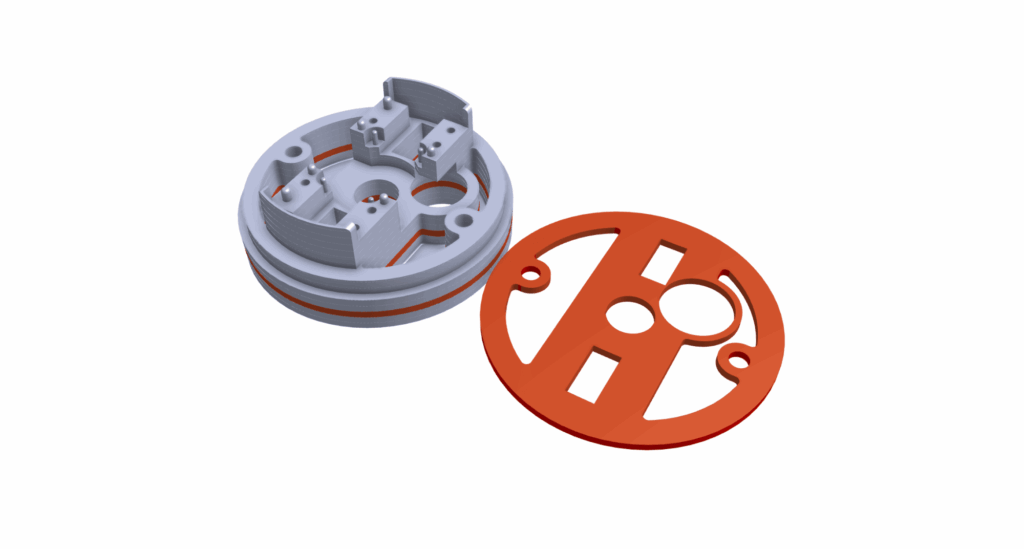
What is injection molding prototyping?
Injection molding prototyping encompasses the spectrum of methods used to validate parts intended for injection molding, ideally long before production tooling is committed. Unlike production molding, which is optimized for repeatability and cost-per-part, prototyping is focused on driving insight and learning: uncovering design weaknesses, validating assumptions, refining requirements, and often driving significant cost and part-count reductions.
In practice, this rarely means prototype injection molding in the literal sense. Instead, most successful programs use a combination of indirect, imperfect, but faster methods; simulation, additive manufacturing, CNC machining, and vacuum casting, to approximate the behavior, appearance, fit, functionality and usability of the to-be molded parts.
The goal is not to perfectly replicate production, but to answer the important design questions at the most informative, and lowest cost-influencing point in the development cycle:
- Does the part fit?
- Does the assembly fall together intuitively?
- Does the part flex, seal, latch, or feel right in use?
- Which early stage risks justify investment in prototype tooling, and which do not?
Benefits of prototyping injection molded components
Design validation and feedback
Physical prototypes expose design issues that CAD reviews routinely miss; awkward assembly sequences, tolerance sensitivity, poor ergonomics, or fragile features.
Vacuum cast parts are particularly effective here because they closely resemble final parts in feel and finish, made in close simulants of production materials.
There are times when a function-critical component needs to be finalized early, to allow other design aspects to crystallize around it. This can suggest that early, and fast/cheap tooling of some parts may be desirable and advisable.
Material and functional testing
CNC-machined plastics provide insight into real-material behavior, lacking some of the higher capability of molded parts. Equally, vacuum cast materials can enable cautious practical testing of snaps, closures, housings, and UI features under realistic handling loads – though with a limited approximation the long-term and flexural durability of production materials.
Iterative development
Additive manufacture, CNC machining and vacuum casting support aspects of early and later stage fast-iteration without re-cutting tooling. Design changes can be incorporated between prototype cycles, allowing designs to converge quickly on viable geometry and mechanical functionality.
Risk mitigation
By validating cosmetic quality, fit, and user interaction early, 3D prints (early) and vacuum castings (later) reduce the risk of discovering unacceptable appearance or usability issues after tooling commitment. In particular, optimization of this analysis before cutting metal for tools (software or hard) avoids the black holes of schedule rupture that result from tool modifications.
Market testing
Vacuum cast urethane parts are widely used for beta trials, customer evaluations, trade shows, and early sales samples, often indistinguishable from molded parts to non-experts, in limited functionality components. While tooled components would always offer better performance, parts that are sufficient unto the task and delivered fast and at low cost offer serious advantages.
Faster time to market
Avoiding premature tooling enables parallel development, reducing delays caused by redesigning and hacking expensive molds.
The prototyping processes for injection molded parts
CAD and simulation
Digital simulation, especially mold-flow, remains essential even when physical molding is deferred. Simulation identifies likely problem regions and informs downstream prototyping choices.
Desktop-friendly, in-house methods
FDM, SLA, SLS, and MJF prints remain indispensable for layout, packaging, and early assembly checks, but should be treated as geometric surrogates, not representative of stressed, friction, fatigue, or flex behaviors.
Higher-performance additive methods
Industrial additive processes, such as Carbon fiber in FDM filaments, offer improved strength and surface finish, but still diverge significantly from molded behavior.
CNC, laser, and water-cut parts
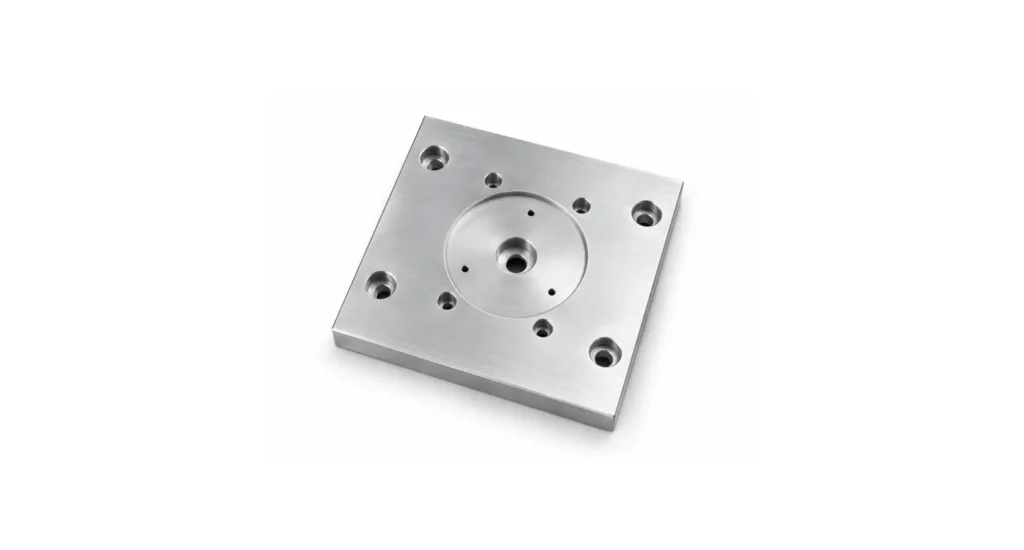
Machining production-grade polymers is ideal for understanding stiffness, creep, wear, flex, fatigue, and thermal response, but these parts lack molded component properties and cosmetic realism.
Vacuum cast prototypes
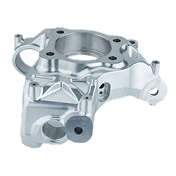
Vacuum casting uses silicone molds and cast urethane simulants to produce small batches of highly realistic plastic parts. Surface finish, translucency/transparency, color, and tactile response can closely match injection-molded components. Simple side actions can be achieved simply through the flexing of the silicone cast molds at extraction.
- Typical quantities: 5–50 parts per mold
- Lead time: 7–14 days
- Strength: moderate, isotropic
- Best for: form, fit, appearance, light functional testing, customer-facing evaluation
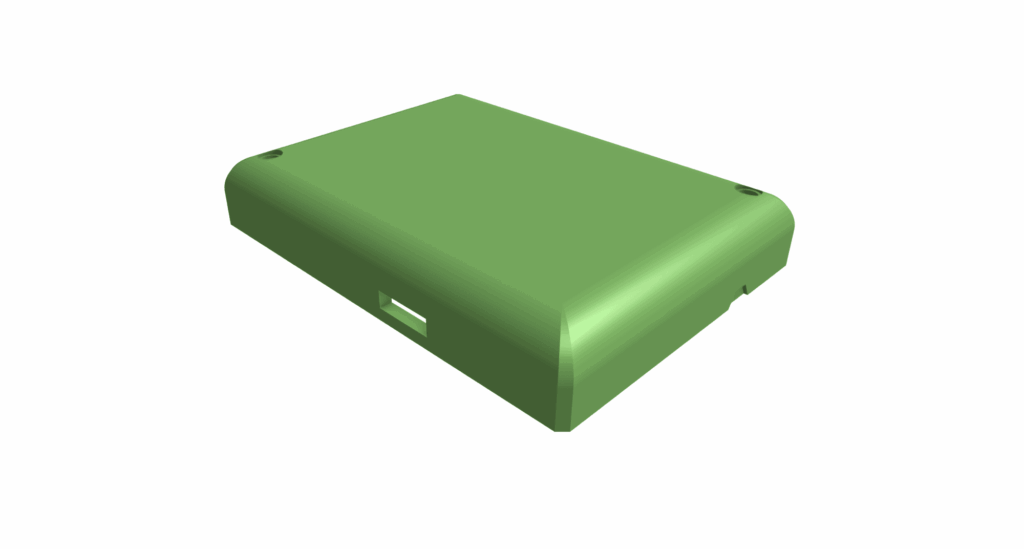
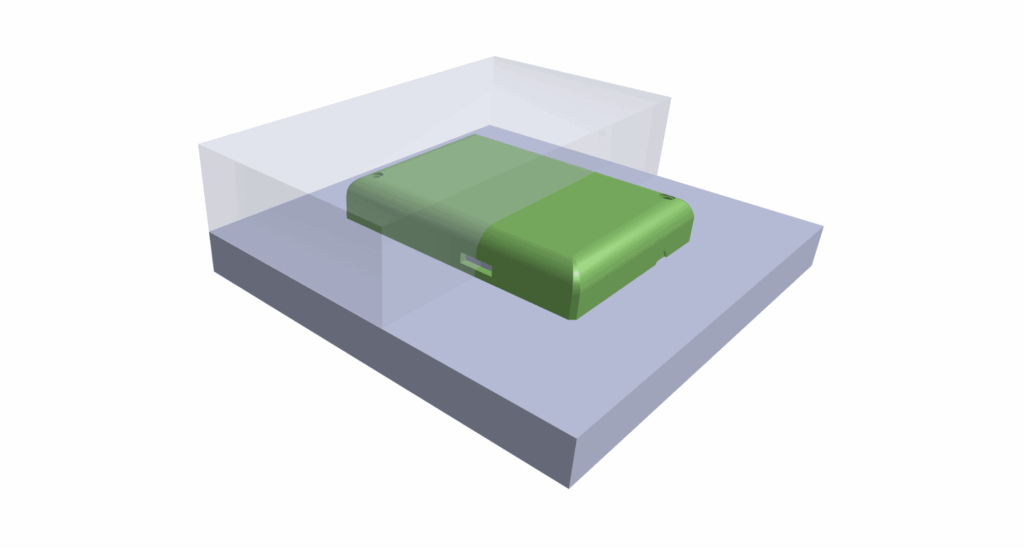
For many programs, vacuum casting delivers most of the insight sought from prototype molding, at a fraction of the commitment/cost/time.
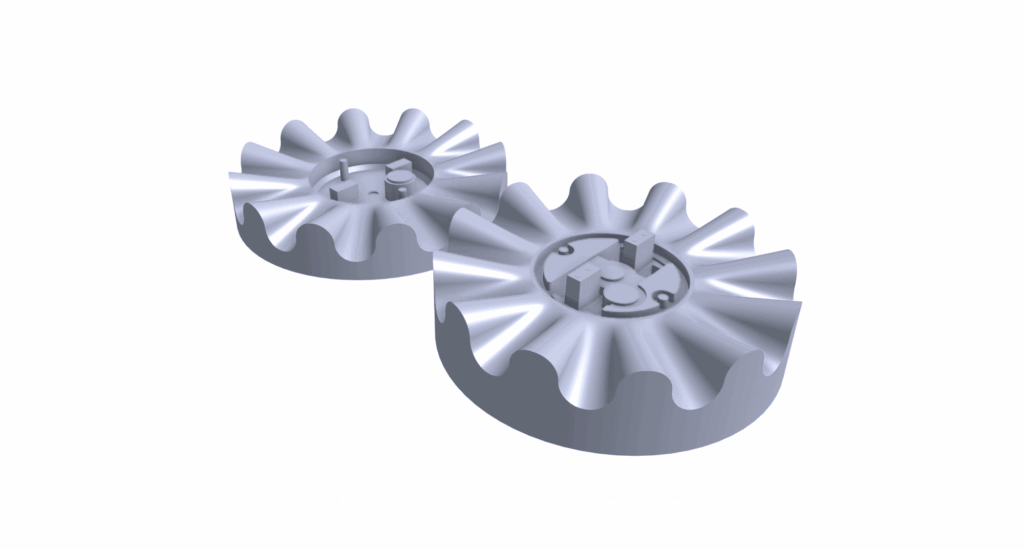
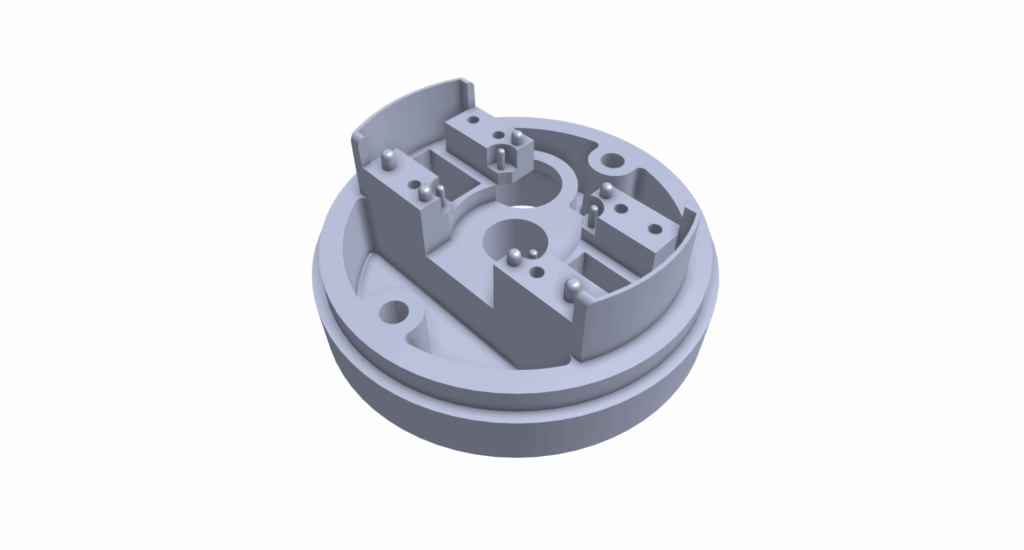
Soft tooling
Prototype injection molds have a role in late-stage validation but are frequently overused, often too early, always too optimistically. They are expensive, slower to iterate, and rarely as representative of production as expected. In particular, undercut and blanking/sealing behaviors and unrepresentative gate types and injection pressures.
Part design considerations for prototyping
Design for manufacture (DFM) remains a critical decision making process at all stages up to (and even after the start of) mass production.
Wall thickness
3D printing and vacuum casting tolerates a wider range of wall thicknesses than molding, which can mask sink and fill risks. Designers must evaluate results alongside simulation data.
Flexible and load-bearing features
Iterating flexible features across printed, CNC, and cast parts helps define acceptable ranges, but molded validation is still required, often requiring tooling alterations after molded samples are available for evaluation.
Snaps and screw bosses
Vacuum cast parts can, when well made in appropriately selected urethanes, provide far more reliable insight into snap feel and screw engagement than prints, especially for consumer-facing parts.
Surface finish and cosmetics
Vacuum casting excels here. Textures, gloss levels, and translucency can be evaluated meaningfully, being faithfully reproduced from a silicone cast cavity made over a 3D printed part.
Clear parts, light pipes, elastomeric elements
Specialized urethane casting materials allow early assessment of optical paths and interface visibility, which are poorly approximated by most additive processes.
Interpreting prototypes to inform molded performance
Every aspect of prototyping and design evaluation feeds into a deep understanding of the downstream implications. Building confidence comes from early, mid and late 3D printing and other methods, used as regular stage and gate points.
Interpreting 3D printing
Use prints to answer where things go, and how they fit and look, not so much about how they behave under load, flexure, and impact.
Interpreting CNC parts
Use CNC machined parts, made in real production polymers, to gain insight into mechanical behavior, not appearance or molded stress effects.
Remember these parts entirely lack the flow-induced microstructures that result from liquid filling a cavity, so they will typically under-represent mechanical properties in subtle but significant ways. Experienced evaluation can nonetheless be very informative as to molded part behavior.
Interpreting vacuum cast parts
Treat vacuum casting as a high-fidelity usability and cosmetic proxy, with tunable/selectable properties that can closely simulate some critical performance aspects. They are quite tough, but they’re not a structural equivalent to molding. Focus on user interaction, assembly logic, sealing, and appearance acceptance. Learning about strength from their failure modes requires experienced interpolation.
Interpolating toward production
The most robust decisions come from overlapping data: simulation for flow risk, CNC for material limits, 3D printing for fit, tolerance stacking and SOME mechanical/flexural data – and vacuum casting for assembly testing and moderated real-world interaction.
Material selection for prototyping
Additive materials
Useful for rough simulation of stiffness or heat resistance, but rarely predictive of actual tool-part behavior.
However, experienced designers with history in using 3D printed prototypes typically develop a muscle-memory of the differentials previously experienced, moving from additive to molded parts. This often delivers insights that are hard to quantify, but deeply informative.
As a rule of thumb, if a 3D printed model of a snap operates ONCE, the design is close to right. It will likely break when released, or on the next snap cycle – but the learning can be significant.
Vacuum casting materials
A very wide range of 2 and 3 part urethanes simulate ABS, PC, PMMA, and rubber-like materials with excellent cosmetic control and increasingly capable mechanical behaviors. Mechanical performance is generally of sufficient capability for functional evaluation and limited show-and-tell use and market testing, but not commonly for long-term durability and use studies.
CNC options
CNC machined parts in close-to-production material grades are the best choice for strength, creep, and wear evaluation in production-intent polymers.
It can be difficult and costly to deliver the finest details in widely available CNC services, but part-component manufacture of evaluation tools (rather than whole components) can offer considerable depth of design insight in stressed or flexing parts, such as 4D elements.
Injection-molded prototype materials
Soft-tooled injection molded parts tend to be the most complete and often accurate representations of real-production parts, but they are rarely justified until design confidence is already high. So this approach is more often about bridge-to-production, rather than design evaluation prototyping.
Applications of soft-tooled injection moldings
- Design validation and convergence
- Functional and environmental screening
- Customer trials and beta programs
- Visual and usability sign-off
- Bridge to regulatory and marketing activities
- Cross-industry use in consumer products, electronics, medical devices, and industrial housings
Much of this functionality can be achieved by high grade vacuum castings, made in high quality and well chosen urethane simulants of production polymers. Vacuum casting is especially prevalent in industries where appearance, user interaction, and perceived quality of cosmetic AND functional prototype products are required to drive marketing success.
Sourcing prototypes: Supplier selection
The quality of insight gained from prototyping is tightly coupled to supplier capability.
- DFM insight matters more than speed – and an experienced prototype service provider has the widest possible experience in optimizing and evaluating the available options for prototypes.
- Vacuum casting quality depends heavily on mold preparation and process control. Attention to detail and finesse, both in finishing of the 3D printed master and the silicone tools is pivotal. Equally important is the ability to cast the right urethane, without bubbles, and extract the part and reset the mold with minimum error.
- Iteration requires communication, not automation. Listening to the prototype can gain knowledge from hundreds of prior, similar and informative cases.
- Suppliers who understand production molding provide better interpretation of cast results. A prototyping service that is associated directly with the intended and eventual tool maker and molder will ensure the greatest continuity of knowledge is maintained.
Why platform choice matters
Jiga enables direct communication with experienced suppliers while maintaining quality oversight. This is critical for additive, CNC, and vacuum casting services and iterative prototyping, where nuance matters more than instant pricing. This differentiates Jiga from competitors such as Xometry, Protolabs and others
Summary
Extracting deep insight from the prototyping of injection-molded parts is about learning efficiently, not trying to replicate production of custom parts prematurely. A rush to tooling (soft or hard) is a recipe for later disruptions that poorly serve an efficient transfer to production.
For most programs, a sequence that uses the fastest, and lowest cost approaches to prototyping – early and often – delivers the deepest insight and the lowest rate of late-stage discovery/disruptions.
The most cost-and-time effective approach to satisfying the needs for multiple late-stage prototype parts and just-before-tooled, assembly-test and sample-production parts is vacuum casting. It offers the best balance of realism, speed, and flexibility, enabling high-confidence decisions without the cost and rigidity of tooling.
When combined thoughtfully with simulation, additive manufacturing, CNC prototyping, and vacuum casting, design teams can reach production with fewer unknowns, better alignment, and far lower risk.