
Most guides ranking custom metal parts manufacturers sort by company size or revenue. That tells engineers absolutely nothing about who can actually deliver quality parts on time. When you’re evaluating custom metal fabrication solutions or comparing CNC machining platforms, capability fit and communication quality matter far more than marketing claims.
This guide breaks down manufacturing processes, provider types, and digital sourcing platforms. Most engineering teams need to understand all three before making smart decisions about custom metal parts.
What does Custom Metal Parts Manufacturing actually cover?
The full journey from raw material to finished component. That means quoting, DFM support, fabrication, quality verification, finishing, assembly, and logistics. Finding someone who does all of this consistently without forcing you to become a full-time procurement manager? That’s the real challenge.
| Stage | What It Covers | Why It Matters |
|---|---|---|
| Quoting | RFQ submission, pricing, lead times | Prevents budget surprises |
| DFM Review | Tolerance analysis, feature feedback | Catches problems early |
| Fabrication | Cutting, forming, machining, welding | The actual work |
| Quality | Inspection reports, material certs | Proves parts meet spec |
| Finishing | Coating, plating, heat treatment | Ready-to-use delivery |
Key manufacturing processes
Sheet metal fabrication
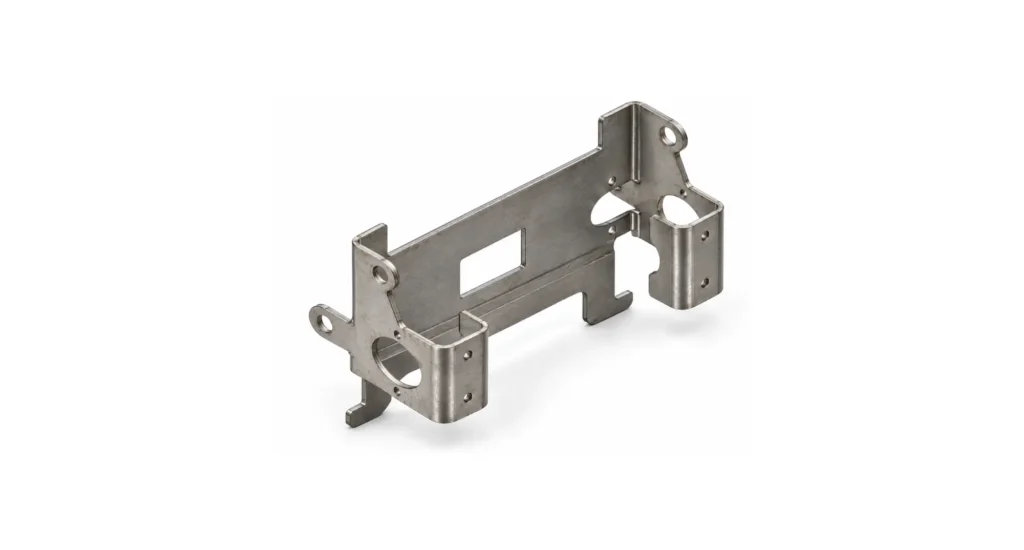
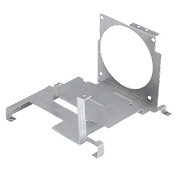
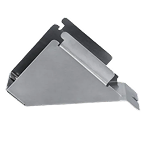
Laser cutting, waterjet, punching, bending, forming, welding. Modern laser systems hit tolerances of 0.1mm with clean edges. Waterjet handles thicker materials and heat-sensitive alloys without warping.
Works best for enclosures, brackets, panels, and chassis. Expect ±0.005″ on laser cuts and ±0.010″ on bends.
CNC machining
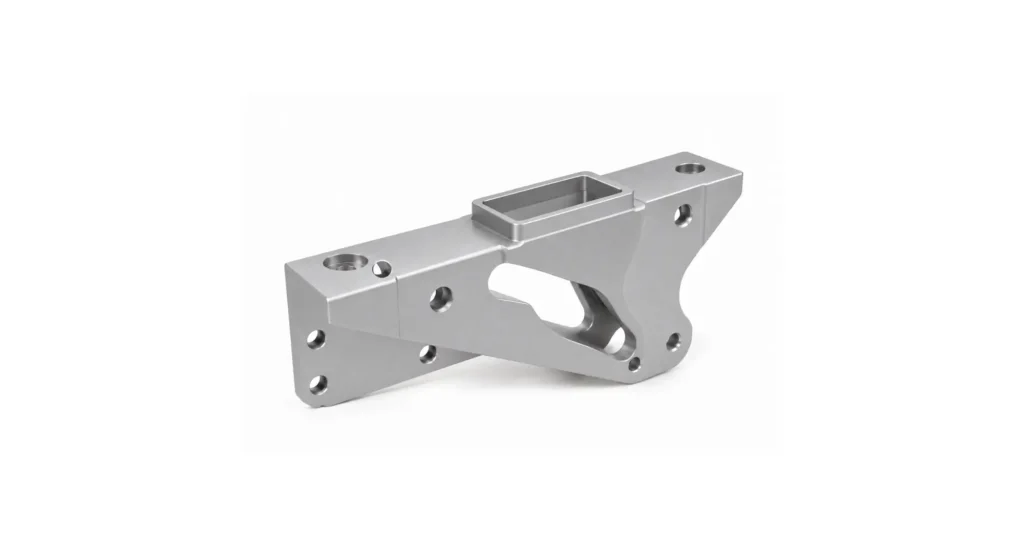
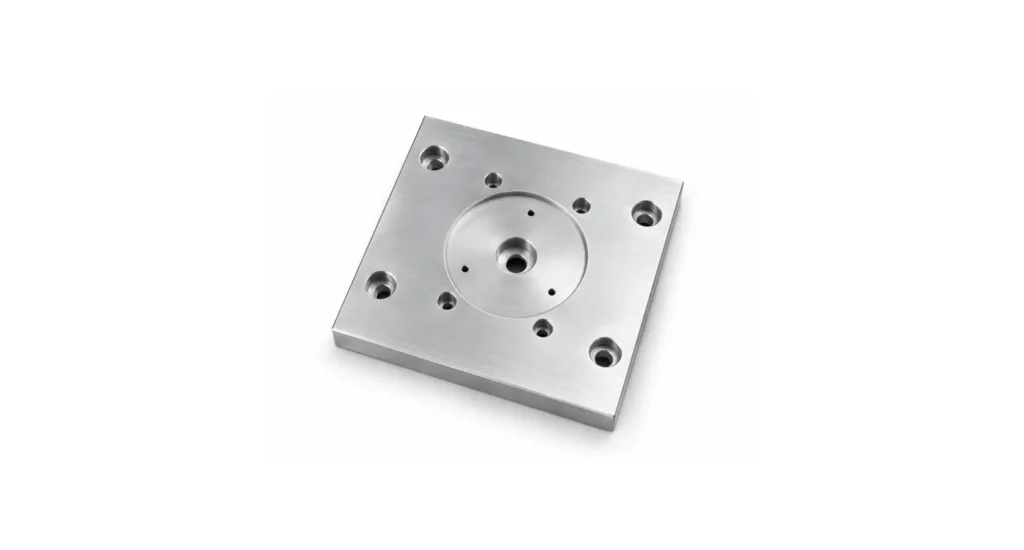
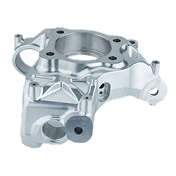
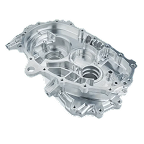
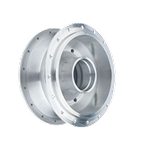
Milling, turning, drilling, grinding. The go-to process when you need tight tolerances on mechanical components like shafts, housings, and manifolds.
Tolerances range from ±0.001″ down to ±0.0005″ for precision work. Here’s the thing though: the real differentiator between shops isn’t equipment. It’s whether they actually read your drawing, flag issues upfront, and call you when something looks off.
Bending and forming
Press brakes and roll forming turn flat sheets into 3D shapes. Internal radii vary a lot by material and thickness. Verify your supplier can hit your specified bend radii before you commit. Otherwise you’re paying for rework.
Welding
Manual TIG and MIG for low volumes. Robotic cells for production. Precision sheet metal welding demands clean, dimensionally accurate welds. For critical stuff, ask for weld procedure specs and certifications.
Metal 3D printing
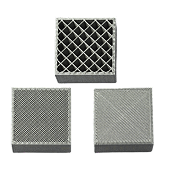
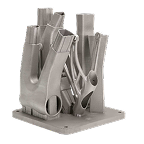
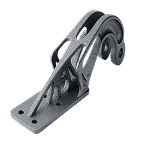
Growing at 17% annually. The market reached $7.73 billion in 2023 and should hit over $35 billion by 2030. Selective laser melting leads adoption for geometries you simply cannot machine conventionally.
Great for complex internal channels and topology-optimized structures. Just remember that post-processing (heat treatment, machining critical surfaces) adds time and cost.
Finishing and assembly
Anodizing, powder coating, plating, heat treating, hardware insertion. The trend now is receiving production-ready assemblies rather than components you still need to put together. Eliminates finger-pointing when something doesn’t fit.
Provider categories
Quick-turn online platforms
Fast quoting, fast delivery, network-based manufacturing. Your parts go to whichever shop accepts the job.
The tradeoff? Engineers report ordering the same part multiple times and getting noticeably different results each time. Different shops, different machines, different outcomes. Fine for prototypes maybe. A nightmare for production.
Production-focused platforms
Direct communication with the people making your parts. Same supplier from prototype through production. Better DFM collaboration. More suitable for tight tolerances and regulated industries.
Industrial contract manufacturers
Traditional high-volume operations. Tens of thousands of parts. Often vertically integrated with stamping, machining, welding, and coating under one roof. Longer lead times for tooling and setup, but economies of scale justify it at volume.
Companies like Mayville Engineering, BTD Manufacturing, PEKO Precision Products, and Cadrex fall into this category.
Specialized shops
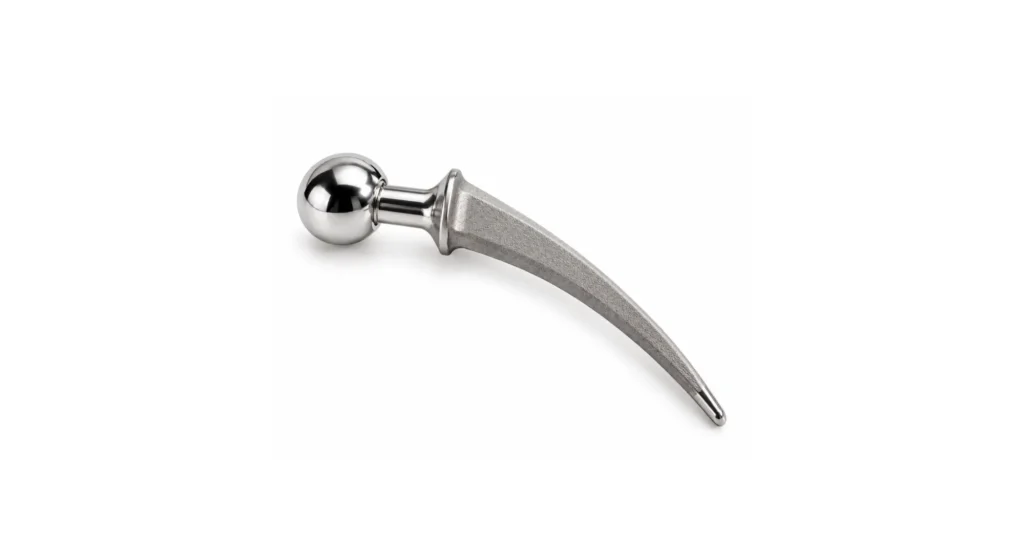
Niche providers focused on specific industries or capabilities. Aerospace shops with AS9100. Medical device specialists with ISO 13485. They charge premiums, but for demanding applications that expertise matters.
Digital platform breakdown
Jiga
Connects engineers directly with vetted manufacturers. You see who quotes your parts. You message suppliers directly about tolerances. You build relationships with shops that deliver.
The network spans CNC, sheet metal, injection molding, and 3D printing across US, European, and Asian suppliers. Jiga vets everyone for quality systems, equipment capability, and delivery track records. When DFM questions come up, you talk to machinists, not customer service reps.
The platform’s AI extracts requirements from drawings and handles documentation while guaranteeing quality and on-time delivery. ISO 9001:2015 certified with AS9100D and ISO 13485 partners available. ITAR registration for defense work too. Beyond the technology, Jiga operates as your supplier on record. Production experts and program managers own delivery end to end, catching quality and timeline issues before they reach you. One contract, one point of accountability.
Where Jiga really shines: complex parts requiring DFM iteration, from first prototypes through full production runs. Direct communication with your manufacturer determines whether parts work or need expensive rework, and supplier continuity means the shop that nailed your prototype scales with you into production.
Fictiv
Managed network model with quality controls and fast turnaround. Now part of the MISUMI Group after their 2025 acquisition. They handle quoting and supplier matching with inspection reports and material certifications available.
Communication routes through the platform rather than directly to suppliers. Works fine for standard parts. Can create friction when precision work requires detailed back-and-forth with the shop. Recent additions include AI DFM tools, bulk configuration for large BOMs, and precision welding services.
Protolabs
Pioneered upload-and-quote with owned facilities in the US, Europe, and Japan. Tight quality control. Automated DFM catches issues on straightforward parts.
Complex parts that need engineering discussion? Harder to manage through self-service interfaces. But the consistency of owned facilities solves the variable-supplier problem that plagues networks.
Xometry
Marketplace connecting you with manufacturing partners through algorithmic matching. CNC, 3D printing, sheet metal, injection molding. Broad coverage is convenient. Supplier quality varies because it’s a marketplace. Inspection add-ons help for precision work.
Hubs (Protolabs network)
Automated quoting with broad process coverage and competitive pricing. Automatic supplier selection streamlines ordering but you lose visibility into who actually makes your parts. Same consistency issues as other auction-style platforms.
RapidDirect
Asian manufacturing with pricing 30-50% below domestic options. If you have timeline flexibility, the savings are real. Factor shipping times and timezone differences into planning. Complex precision work requiring frequent communication gets difficult across twelve-hour time gaps.
Star rapid
Chinese facilities with Western management and quality systems. Bridge between domestic expectations and Asian economics. Strong in rapid tooling and low-volume injection molding.
SendCutSend
Laser cutting, waterjet, CNC bending. Flat parts only. The focused scope means streamlined ordering and fast turnaround for 2D work.
Platform comparison table
| Platform | Model | Best For | Communication | Inspection | Coverage |
|---|---|---|---|---|---|
| Jiga | Vetted network | Complex parts, DFM collaboration | Direct with supplier | Full reports | US, Asia, Europe |
| Fictiv | Managed network | Hands-off sourcing | Through platform | Standard included | US, Asia |
| Protolabs | Owned facilities | Speed, standard parts | Through platform | Add-on | US, Europe, Japan |
| Xometry | Marketplace | Broad capabilities | Through platform | Add-on | US, Europe, Asia |
| Hubs | Automated network | Price-sensitive orders | Through platform | Add-on | Global |
| RapidDirect | Managed network | Cost savings | Through platform | Standard included | China |
| Star Rapid | Owned facilities | Tooling, low-volume molding | Direct available | Full reports | China |
| SendCutSend | Owned facilities | Flat parts | Through platform | Limited | US |
Which platform fits which project?
Tight prototype deadlines: Protolabs or SendCutSend. Owned facilities mean predictable capacity. Premium pricing for speed.
Complex precision parts: Jiga. Direct supplier communication for working through tolerance questions and design optimization before you commit.
Production volumes: Fictiv or Jiga both handle it. Jiga offers supplier continuity for repeat orders. Fictiv provides managed oversight plus their new assembly capabilities.
Budget constraints, flexible timeline: RapidDirect or Star Rapid. 30-50% savings through Asian manufacturing.
Simple well-defined parts: Xometry or Hubs. Instant quoting speeds procurement when parts need minimal discussion.
Mixed processes: Xometry covers the broadest range in one platform.
What does this stuff cost?
Pricing swings wildly based on complexity, material, tolerances, quantity, and turnaround. These ranges help with rough budgeting.
Prototypes (1-10 parts): Simple CNC: $75-300 each. Complex geometry: $200-800. Multi-axis: $300-1,500+. Sheet metal enclosures: $100-500.
Low volume (10-100 parts): Standard tolerances: $30-150 each. Precision with inspection: $75-400.
Production (100+ parts): Per-part costs drop 40-70% from prototype pricing as setup amortizes. Typical range: $10-100 depending on complexity.
What drives prices up: Tighter tolerances can double cost (±0.001″ versus ±0.005″). Exotic materials like titanium or Inconel. Secondary operations. Rush fees running 25-100%. Domestic manufacturing is typically 30-50% higher than Asian alternatives.
Transparent networks like Jiga show quotes from multiple suppliers so you can compare while knowing who’s behind each price.
The consistency problem nobody talks about
Order the same part three times from an auction-style platform. Get three different results. Different shops won the bid each time. Different machines. Different operators. Different outcomes.
For prototyping? Maybe tolerable. For production? Absolute nightmare.
Protolabs solves this through vertical integration. Same machines, same operators, every time. Jiga solves it differently: you see who made your parts, so you can reorder from shops that performed well. You can even restrict your account to only show quotes from preferred suppliers.
Platforms hiding supplier identity make this impossible. How do you request the same shop when you don’t know who made your last order?
Quality and compliance
ISO 9001: Baseline quality management. Applicable everywhere.
AS9100: Aerospace standard. Configuration management, risk management, supply chain traceability.
ISO 13485: Medical devices. Required for FDA-regulated components.
IATF 16949: Automotive. Process control and defect prevention.
ITAR: Defense work. Restricts technical data access and manufacturing locations.
For inspection, look for CMM reports on critical tolerances, surface finish verification on sealing surfaces, material certs tracing back to suppliers, and first article inspection reports (AS9102 for aerospace).
Some platforms include full inspection automatically. Jiga suppliers typically send dimensional reports before shipping so you can approve parts before they leave the shop. Others charge extra for basic verification.
2026 industry shifts
Supply chain diversification
Teams now qualify backup sources even when primary suppliers perform well. The gap between reshoring intentions and actual supplier qualification means companies building multi-region supply bases gain real competitive advantage.
AI in quoting and DFM
Platforms deploying AI to extract drawing requirements, flag DFM issues, and speed up quoting. Jiga’s AI handles requirement extraction and documentation while keeping engineers connected to actual manufacturers for judgment calls. The best systems augment human expertise rather than replacing the machinist communication that makes complex parts succeed.
Assembly integration
Receiving assembled sub-systems instead of components needing in-house work. Fictiv’s 2025 expansion into mechanical and electromechanical assembly reflects this demand. Fewer suppliers, simpler logistics, no finger-pointing on fit issues.
How to pick the right supplier
Start honest. Which tolerances actually matter for function versus cautious overspec? Which certifications does your customer or industry require? What volumes are realistic?
Equipment: Confirm appropriate machines. 5-axis for complex parts. Swiss machines for small turned components.
Material experience: Ask specifically about your materials. Especially exotic alloys.
Track record: Request sample inspection reports at your required precision levels.
Communication: Test response times during quoting. That’s how they’ll communicate during production.
DFM willingness: Do they suggest design changes that reduce cost or improve manufacturability?
Certification verification: Confirm the specific facility quoting your job holds the certs. Not just the platform overall.
Jiga enables direct shop messaging, equipment inquiries, and DFM discussion before you commit. Engineers on the platform tend to develop preferred suppliers they return to repeatedly. Trusted shop relationships with digital platform convenience.
What engineers actually want
Talk to machinists, not customer service reps. Maintain relationships with good suppliers instead of random assignments. Know who’s quoting the work.
That’s what engineers say consistently. Platforms that enable these connections rather than intermediating everything address real frustrations.
Though honestly, some engineers prefer hands-off approaches for simple parts. Upload files, receive results, move on. Understanding which model fits which project eliminates the frustration of forcing complex precision work through platforms built for speed on standard parts.
Bottom line
Straightforward parts? Digital platforms simplify sourcing effectively. Complex precision work? Many platforms created new problems by cutting engineers off from people who could answer their questions.
Standard high-volume parts suit Protolabs for speed and consistency. Cost-sensitive projects with timeline flexibility benefit from Asian manufacturing through managed networks. Complex precision work demanding iteration and tight tolerances needs direct supplier access over instant quotes. That’s where Jiga delivers value that algorithm-based alternatives cannot match.
The choice depends on what you’re building, how fast you need it, and how much consistency and communication matter to you. For production-critical work, investing time in direct supplier relationships pays off in quality, predictability, and fewer procurement emergencies.